For greenhouse growing, choose seeds that offer reliable germination, compact or vigorous growth, and clear instructions for indoor or sheltered outdoor starts. This guide highlights five seed sets well-suited to greenhouse conditions, emphasizing heirloom and non-GMO varieties. Each product is chosen for high germination, adaptability to controlled environments, and practical value for different gardeners. Best for beginners, seasoned hobbyists, small-scale farms, and urban growers seeking fresh produce year-round.
Overview of top picks
| Product | Why It’s a Good Greenhouse Fit | Best For |
|---|---|---|
| Set of 43 Assorted Vegetable & Herb Seed Packets (Black Duck Brand) | Heirloom, non-GMO seeds with high germination; broad mix for diverse greenhouse beds | Beginners and mixed-use greenhouse plots |
| Open Seed Vault 15,000 Heirloom Seeds (32 Types) | Large variety pack; reliable germination; indoor/outdoor flexibility | Season-extension gardens and diverse seed starts |
| HOME GROWN Herb Seeds for Planting 15-Pack | Large counts, culinary herbs; indoor-friendly and hydroponic readiness | Herb-focused, container or hydroponic setups |
| Sereniseed Certified Organic Herb Seeds (10-Pack) | Organic, non-GMO, open-pollinated; ideal for organic greenhouse batches | Organic greenhouse herb production |
| GermiGrow 36 Vegetable Variety Pack | 36 varieties, USA-grown, high germination; great for greenhouse diversity | Family gardens and educational greenhouse projects |
Set of 43 Assorted Vegetable & Herb Seed Packets

The Black Duck Brand seed set includes 43 lightly assorted vegetable and herb seeds that are heirloom and non-GMO, with a high germination rate within 7-14 days. This pack is best for greenhouse growers who want a broad, reliable starter mix for early-season beds. It’s suitable for beginners building a diversified greenhouse plot and for gardeners who want quick, visible germination to gauge success early in the season.
Best for: Mixed greenhouse beds and new gardeners seeking variety with solid germination. A caution: seed selection is varied, so uniform crop timing across all varieties may require staggered sowing.
Open Seed Vault 15,000 Heirloom Seeds (32 Types)

This extensive seed vault provides 32 vegetable types with a focus on heirloom varieties, offering a rich base for greenhouse cultivation. The assortment supports crop rotation and succession planting, which suits greenhouse routines that aim for continuous harvests. Best for growers who want a broad palette for experimentation and culinary variety, including greens, root crops, and fruiting vegetables.
Best for: Experienced greenhouse growers planning a diverse planting schedule. Limitation: large assortment may require careful labeling and organization to maximize germination and space efficiency.
HOME GROWN Herb Seeds for Planting 15-Pack

This 15-herb seed set contains 4,300+ seeds, including Genovese Basil, Rosemary, Thyme, Cilantro, and more. It’s ideal for greenhouse and indoor gardens, especially hydroponic or windowsill setups. The seeds are USA-sourced and tested for high germination, making it a reliable choice for herb-focused greenhouse plots or compact culinary gardens in urban spaces.
Best for: Kitchen gardens, hydroponic systems, and condo-friendly greenhouse projects. Caution: heavier emphasis on herbs means you’ll need separate seed plans if you want a full vegetable greenhouse bed.
Sereniseed Organic Herb Seeds (10-Pack)

Sereniseed offers USDA Organic-certified herb seeds, non-GMO and open-pollinated. The 10 culinary herbs, including Basil, Cilantro, Oregano, Thyme, and Parsley, are well-suited for greenhouse herb beds or hydroponic herb gardens in controlled environments. Organic certification supports growers aiming for organic greenhouse operations and compliant culinary herb production.
Best for: Organic greenhouse herb production and growers prioritizing open-pollinated, non-GMO varieties. Caution: organic certification status is per packaging and may vary by lot; verify requirements for your project.
GermiGrow 36 Vegetable Variety Pack
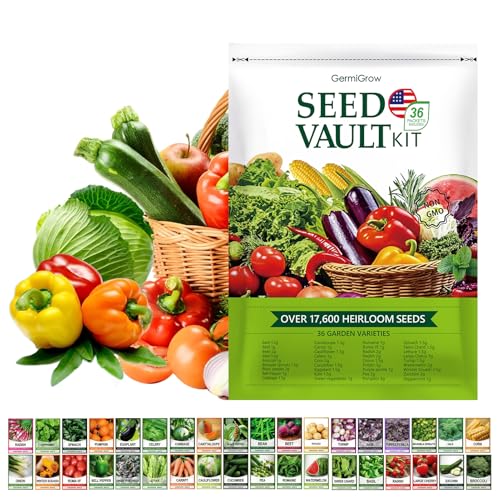
The GermiGrow kit contains 36 non-GMO heirloom varieties totaling 17,600+ seeds, covering tomatoes, peppers, carrots, lettuce, and more. This pack is designed for greenhouse setups that want a broad crop base with robust germination and variety for seasoning, meals, and testing different growing conditions. It’s especially suitable for families or hobbyists who want educational, hands-on seed exploration in a greenhouse.
Best for: Diverse greenhouse gardens, family projects, and educational cultivation. Caution: large seed count may require organized storage and seed-frame labeling to prevent mix-ups.
Buying Guide
Key factors to consider when selecting greenhouse seeds
- Germination rates and seed quality: Look for non-GMO and heirloom labels, with clear germination expectations for greenhouse conditions.
- Plant types and space needs: Choose varieties that fit your greenhouse size, including compact cultivars for pots and tall crops for trellises.
- Seed quantity and planning: Large packs are economical but require good labeling and rotation planning to maximize yields.
- Growing environment: Consider whether you’ll use soil, containers, or hydroponics, and select seeds that perform well in your chosen method.
- Organic and certifications: If organic growing matters, prioritize certified organic seeds and open-pollinated, non-GMO varieties.
- Storage and shelf life: Store seeds in a cool, dry place. Heirloom seeds often store well for multiple seasons with proper care.
How to optimize seed success in a greenhouse
- Prepare seed starting trays with a sterile mix and provide adequate light, warmth, and humidity.
- Use staggered sowing to manage harvesting times and space efficiently in a greenhouse.
- Label all varieties clearly to avoid cross-contamination or misidentification during transplanting.
- Monitor for pests and diseases, especially in enclosed spaces, and rotate crops to reduce risk.
Tips for choosing between herb-focused and vegetable-focused packs
- Herb-heavy packs work well for culinary versatility and year-round planting in containers or hydroponics.
- Vegetable-focused packs are ideal for creating a full greenhouse harvest with salads, meals, and storage crops.
- In mixed packs, plan companion planting to maximize space and plant health in the greenhouse.
Quick buyer questions
- What is the best seed pack for beginners? A mixed vegetable and herb pack with clear germination times.
- Which seeds are best for hydroponic systems? Herbs and small leafy greens typically perform well in hydroponics.
- Do organic seeds matter in a greenhouse? If you aim for organic production, choose certified organic seeds.
- How many varieties should I start with? Start with 5–10 varieties to manage space and learning curves.
FAQ
- Are heirloom seeds suitable for greenhouses? Yes, they offer genetic diversity and reliable germination when properly cared for.
- Can I plant seeds directly in greenhouse beds? Some seeds can, but many benefit from starting indoors and transplanting after germination.
- Do non-GMO seeds perform differently in greenhouses? Non-GMO varieties often have robust, steady germination and adaptability in controlled environments.
- Should I mix herb and vegetable seeds in the same tray? It’s possible, but separate trays can reduce root crowding and simplify care.
- What storage helps extend seed life? Cool, dry, dark conditions with airtight containers help maintain vigor for multiple seasons.