Finding the right fertilizer for roses and hydrangeas means choosing a formula that supports strong roots, vibrant color, and abundant blooms without harming the plants or the soil. This guide highlights five top options that work well for roses and hydrangeas alike, with notes on who should choose each product and why. The focus is on organic options, balanced NPK blends, and quick-acting liquids or granulars that fit different gardening routines. The buyer is looking for reliable, low-maintenance solutions that deliver clear bloom improvements over time.
| Product | Best For | Form |
|---|---|---|
| Jobe’s Organics Granular Rose Fertilizer | Organic gardeners seeking slow-release nutrition | Granules |
| Miracle-Gro Shake ‘n Feed Rose & Bloom | Gardeners wanting long-lasting feeding up to 3 months | Granular |
| Scotts Rose & Bloom Continuous Release | Low-maintenance feeding for consistent blooms | Granular |
| Hydrangea Fertilizer – Liquid Plant Food | Hydrangeas needing bigger blooms and strong root growth | Liquid |
| Miracle-Gro Water Soluble Rose Plant Food | Instant-feeding for rapid growth and color | Water-soluble |
Jobe’s Organics Granular Rose Fertilizer

Jobe’s Organics Granular Rose Fertilizer is a 4-pound bag designed for organic feeding of roses, hydrangeas, hibiscus, azaleas, and other flowering shrubs. The formula uses a 3-4-3 NPK to supply essential nutrients for blooms and vibrant foliage. It is OMRI-listed for organic gardening, supporting growers who prefer natural amendments and reduced chemical input. Best for buyers who want a ready-to-use, low-odor granular option that aligns with organic landscaping goals.
Best for: Organic gardeners and those who value sustainable inputs. This product suits potted roses and garden plantings where a steady, moderate release is preferred. The pick is chosen for its organic certification and targeted rose hydrangea compatibility. A potential limitation is a slower release pace compared to synthetic blends, which may delay bloom intensity in very short-term windows.
Miracle-Gro Shake ‘n Feed Rose & Bloom

Miracle-Gro Shake ‘n Feed Rose & Bloom provides long-lasting nutrition for up to three months, feeding roses and other flowering plants through both soil and foliage. The formula includes natural ingredients like kelp, feather meal, bone meal, and earthworm castings to support soil microbes and root development. It is designed to be gentle enough not to burn when used as directed, offering a reliable option for gardeners who want consistent color and more blooms without frequent reapplication.
Best for: Gardeners seeking a predictable, extended feeding cycle with emphasis on soil biology. Choose this if you want a natural-leaning blend that still delivers measurable bloom improvement. A limitation is that the product relies on periodic reapplication every few months rather than continuous release, which may require calendar reminders for optimal results.
Scotts Rose & Bloom Continuous Release Plant Food

This Scotts product provides steady feeding for roses, annuals, and perennials, delivering nutrients over about two months. It is positioned as an easier option for ongoing bloom maintenance, with a focus on steady bloom production and color. The continuous-release format makes it suitable for gardeners who want less frequent fertilization.
Best for: Homeowners seeking a simple, hassle-free feeding routine. This is better for those who prefer less frequent fertilizer applications without sacrificing consistent blooming. A caution is that it may not deliver rapid early-season color as quickly as liquid or micro-encapsulated formulas.
Hydrangea Fertilizer – Liquid Plant Food
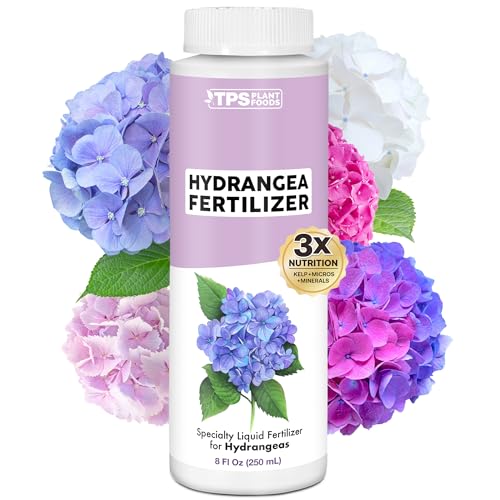
Hydrangea Fertilizer is a liquid plant food formulated specifically for hydrangeas and flowering shrubs. It aims to support healthy growth and vibrant blooms while promoting foliage balance. Liquid formulas can be quickly absorbed and are useful when rapid response is desired, or when soil conditions benefit from swift nutrient delivery. It is best for hydrangea-focused situations, but still works for roses in mixed borders.
Best for: Hydrangea enthusiasts seeking larger blooms and strong roots. Choose this if you want a fast-acting feeding option that can be adjusted through dilution rates. A limitation is the need for more frequent applications to sustain bloom intensity compared to slow-release granules.
BioAdvanced All-In-One Rose and Flower Care

BioAdvanced All-In-One Rose and Flower Care combines fertilizer with pest and disease control in a single 4-pound bottle. It offers systemic, rainproof protection for up to six weeks, along with nourishment to promote strong roots and beautiful blooms. It is suitable for roses, irises, hibiscus, azaleas, camellias, rhododendrons, and other shrubs, presenting a multi-pack solution for integrated plant health. Use this if you want fewer separate products in your toolkit.
Best for: Gardeners who want protection against common rose and flowering plant pests while feeding. Choose this if you prefer a combined approach to growth and health. A caution is that combined pest control may be less targeted for specific species compared to dedicated products.
Miracle-Gro Water Soluble Rose Plant Food

Miracle-Gro Water Soluble Rose Plant Food is designed to feed roses quickly and visibly, with immediate nutrient availability when dissolved in water. It is intended for regular use every 7 to 14 days to maximize bloom size and color. This option is highly flexible for those who prefer quick, adjustable feeding schedules and frequent care routines. It is compatible with both in-ground roses and container plantings.
Best for: Gardeners seeking instant-feeding results and the ability to adjust feeding frequency. Choose this if you want rapid color and growth improvements. A limitation is that frequent applications may be required to sustain peak performance, especially in hot or dry periods.
Buying Guide: Rose And Hydrangea Fertilizers
- Organic vs. synthetic: Organic products (like Jobe’s Organics) support soil biology and long-term soil health, while synthetic or blended formats may yield faster visible results. Consider your soil and gardening goals when choosing.
- Release type: Granular, continuous-release, or liquid formulas each have different application schedules. Choose based on your maintenance preference and the plant’s growth stage.
- Plant focus: Hydrangea-specific formulas can boost bloom size and color, while rose-focused formulas emphasize rose vigor and flowering. For mixed borders, a balanced all-purpose product can be effective but may not optimize hydrangea blooms.
- Application timing: Early spring feeding aligns with new growth; repeat feedings may be necessary through the growing season, especially for hydrangeas that rely on consistent moisture and nutrition for blooms.
- Soil and water considerations: Apply fertilizers according to label directions and water deeply after application. Hydrangeas often benefit from balanced soil moisture to support nutrient uptake.
- Pest and disease protection: If pest prevention is a priority, select products with built-in insect or disease control, but note these may require separate components for full plant health management.
- Container vs. garden beds: Container plants may need more frequent feeding due to faster nutrient depletion, while garden beds may require less frequent applications.
FAQ
- Which fertilizer is best for both roses and hydrangeas? A balanced fertilizer that supports flowering and has slow-release properties tends to work well for both, with an emphasis on bloom-enhancing nutrients and soil health.
- Is organic rose fertilizer better for hydrangeas? Organic options support soil biology and long-term health, which can benefit hydrangeas, but may deliver slower early bloom improvements compared to synthetic blends.
- How often should I feed my roses and hydrangeas? It depends on the product type. Granular or continuous-release formulas typically require every 1–2 months, while liquids may need more frequent applications per label guidance.
- Can I use rose fertilizer on hydrangeas? Yes, if the fertilizer is balanced for flowering shrubs and not specifically formulated only for roses; ensure it provides adequate phosphorus and potassium for blooms.
- Should I fertilize in the fall? In temperate regions, fall feeding is generally avoided to prevent late growth that can be damaged by frost; instead, plan spring feeding to support the next growing season.
- Do any of these products also protect against pests? Some products combine fertilizer with pest or disease control; read labels carefully to confirm the type and scope of protection offered.