Finding the right natural stone for an aquarium hinges on safety, stability, and visual appeal. This guide highlights five veterinarian-safe, inert stones that won’t alter water chemistry and that suit a range of tank sizes and styles. It’s ideal for hobbyists building natural-looking habitats, from small betta tanks to larger community setups. The top picks emphasize durability, ease of use, and the ability to create caves, arches, and scenic slopes without compromising aquatic life.
Summary table of featured products
| Product | Best For | Size Range | Notes |
|---|---|---|---|
| AWXZOM Natural Dragon Rock | Beginner to intermediate aquarists; small tanks | 6–8 inches per piece | Natural dragon stone with varied shapes |
| ChaoLeHo Seiryu Stones | Mid-size to larger tanks; dramatic hardscape | 2–6 inches | Unique natural texture; safe for aquatic life |
| VOKOY Natural Dragon Stones | Creative aquascapes; caves and mountains | 2–4 inches | Honeycomb textures; easy to arrange |
| ChaoLeHo Rock 3lb Stone | Mixed layouts; versatile accents | 2–5 inches | Eco-friendly; porous surface supports plants |
| YISZM Slate Rocks | Natural-looking aquascapes; versatile sizes | 3–7 inches | Polished edges; safe for aquariums |
AWXZOM Natural Dragon Rock — 4.4lb Multi-Size Set

Best for small to mid-sized tanks that need natural-looking rockwork without altering water chemistry. This set includes 4.4 pounds of dragon stone with pieces ranging in size and texture, designed to create layered backgrounds, caves, and focal points. The stones are natural and varied, which helps simulate a wild, natural river or stream bed. Use this collection to craft a simple stack or a multi-terrace landscape that supports plant roots and hides for shy fish.
Who it’s best for: hobbyists starting a natural tank or aquariums up to about 10 gallons who want an authentic, irregular rock texture. Why selected: the stones are inert, do not require sealing, and offer varied shapes for quick, attractive scapes. Caution: because stones are natural and varied, sizes can differ from the reference image; sort by size before arranging.
ChaoLeHo Seiryu Stones Natural Hardscape

Best for creating dramatic, vertical landscapes in larger tanks where a strong focal point is desired. Seiryu stones are renowned for texture and natural pattern variations that add visual depth without impacting water quality. These stones are durable and weather-resistant, supporting long-term aquascapes. They pair well with plants and other inert substrates to form natural cliff faces and archways.
Who it’s best for: aquarists planning a standout central feature or a bonsai-like rock garden in mid-to-large tanks. Why selected: the stones offer unique texture and stability, aiding long-term layout. Caution: ensure thorough cleaning before placement to remove any sediment or dust from handling.
VOKOY Dragon Stones — 2.5lb Natural Decor

Best for compact layouts and small to medium tanks where decorative stones create intimate landscapes. The honeycomb-patterned dragon stones offer natural caves and textures that invite exploration by fish and invertebrates. They’re easy to arrange and clean, making them a versatile choice for quick aquascape updates.
Who it’s best for: beginners or hobbyists who want quick, eye-catching setups without complex assembly. Why selected: the stones’ natural holes and textures create depth with minimal effort. Caution: stones vary in size and weight; plan placements accordingly to maintain tank stability.
ChaoLeHo Rock 3lb Natural Aquascaping Stones

Best for flexible layouts and layered aquascapes in small to mid-sized tanks. These dragon stones are naturally textured and safe for aquatic life, supporting plant roots within porous surfaces. The lightweight nature and stackable design make it easy to shape caves, shelves, and slopes that mimic natural streams and riverbeds.
Who it’s best for: aquarists looking for eco-friendly stones that can be rearranged over time. Why selected: porous surfaces promote plant rooting and a stable habitat. Caution: ensure stones are cleaned thoroughly to remove any loose sediment before adding to water.
YISZM Slate Rocks — Polished Edges

Best for a clean, modern look in both fresh and saltwater tanks. These 3–5 inch to 5–7 inch slate pieces provide a rugged, natural appearance with polished edges that are safe for fish and plants. They’re ideal for building layered cliffs or terraced shelves that support foreground vegetation and foreground interest.
Who it’s best for: aquarists wanting a polished, natural stone with consistent color tones. Why selected: slate is inert and versatile for various layouts. Caution: edges are polished but still should be handled gently to avoid chipping during setup.
Virekm River Rocks — Decorative Pebbles
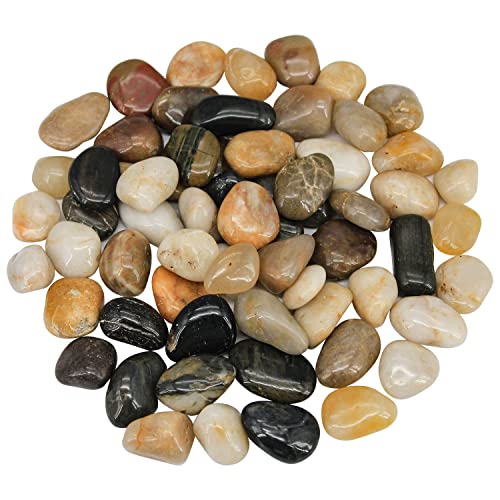
Best for adding color and texture accents to larger tanks or outdoor features. These natural, lightly polished stones resist fading and come in varied browns, whites, and blacks. Their rounded edges make them safe for habitats involving gentle fish, invertebrates, and plant roots. Use as gravel accents, around driftwood, or to create natural bottom textures.
Who it’s best for: aquariums needing a natural, low-contrast mix that blends with driftwood and plants. Why selected: versatile color palette and safe composition for mixed habitats. Caution: small stones may be appealing to curious fish; monitor placement to avoid destabilizing decorative arrangements.
Buying Guide: How to Choose Natural Aquarium Stones
- Safety and Water Chemistry: Select inert stones that do not leach minerals or alter pH. Look for stones explicitly described as aquarium-safe or inert for best results.
- Tank Size and Layout: Match stone size to tank volume. Larger tanks benefit from bigger stones for dramatic focal points, while small tanks benefit from smaller, stackable pieces.
- Texture and Visual Style: Consider texture patterns (dragon vs. Seiryu vs. slate) to achieve your desired aesthetic—natural caves, arches, or cliff-like walls.
- Weight and Stability: Heavier stones provide stability but require careful placement to avoid tipping. Lightweight options are easier to rearrange but may shift with water flow.
- Ease of Cleaning: Porous stones may trap debris; plan for thorough cleaning prior to adding to the tank to prevent cloudiness.
- Plant Compatibility: Porous surfaces can support plant roots. If you plan live plants, choose stones with porous textures and rock that can anchor roots.
- Maintenance Considerations: Some stones may require repositioning over time for maintenance or to refresh the aquascape’s look.
Frequently Asked Questions
- Are natural stones safe for freshwater aquariums? Yes. Choose inert stones that do not affect water chemistry and are labeled aquarium-safe.
- Will stones change my tank’s pH? Most inert stones will not; however, porous materials may slightly affect micro-niches. Rinse thoroughly and monitor water parameters after setup.
- How many stones should I place in a small tank? Start with 1–3 focal pieces and add smaller stones to create balance around plants and décor.
- Can I stack stones for caves? Yes. Ensure stable stacking and avoid blocking filters or gravel pathways that affect maintenance.
- Do stones require sealant or treatment? Generally no. Rinse and clean to remove dust; sealing is rarely necessary and could affect porosity.
- How should I arrange stones for a natural look? Use varying heights and textures, group rocks in odd numbers, and place larger stones toward the back to create depth.