If you’re growing azaleas, hydrangeas, rhododendrons, or other acid-loving plants, you need a fertilizer that boosts soil acidity while feeding plants the nutrients they need. The best options below are formulated to improve uptake in low-pH soils, encourage vibrant blooms, and support sturdy growth. They’re suited for homeowners tending gardens, potted landscapes, or indoor displays. The table summarizes five top picks to compare nutrient balance, soil-pH impact, and intended plant groups.
| Product | Main Focus | ||
|---|---|---|---|
| Scotts Miracle-Gro Miracid | Acid-loving plant food | Azaleas, hydrangeas, rhododendrons | Direct leaf and root feeding |
| Miracle-Gro Azalea, Camellia, Rhododendron Food | Water-soluble acid-loving mix | Indoor/outdoor acid-loving flowers | Instant feeding for blooms |
| GARDENWISE 8-4-8 | Soil acidifier with micronutrients | Azaleas, camellias, rhododendrons, blueberries | Includes iron and magnesium |
| Espoma Holly-Tone | Organic acid-loving plant food | Azaleas, hydrangeas, rhododendrons | Long-lasting release |
| Bloom City Acid-Loving Plant Fertilizer | Liquid soil acidifier & nutrients | Blueberries, hydrangeas, other acid-loving plants | For liquid feeding |
Scotts Miracle-Gro Miracid Acid-Loving Plant Food
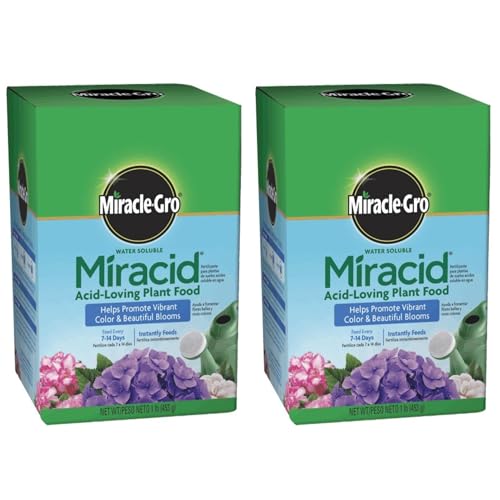
Best for: Home gardeners with azaleas, hydrangeas, and rhododendrons who want fast-acting, root-and-leaf feeding. The Miracid formula is designed to instantly feed acid-loving plants and support vigorous growth in low-pH soils. It’s a soluble option that helps ensure quick nutrient uptake when soil results are suboptimal.
Why selected: This product offers a dual feeding action—feeding through both roots and leaves—helping plants respond promptly to nutrient needs. It’s particularly useful for containers or beds where rapid response is desired and for gardeners seeking a straightforward, water-soluble regimen.
Caution: Avoid overfeeding; follow label directions to prevent nutrient burn, especially in soils already rich in organic matter.
Miracle-Gro Water Soluble Azalea, Camellia, Rhododendron Plant Food

Best for: Indoor and outdoor growers seeking an all-purpose acid-loving plant food that covers a broad range of species including azaleas, camellias, rhododendrons, gardenias, hibiscus, and hydrangeas. The 5 lb bag is ideal for larger plant collections.
Why selected: This product’s broad compatibility with many acid-lovers makes it a versatile option for mixed landscapes. It delivers rapid feeding to support flowering and foliage quality in diverse settings.
Caution: While convenient, it is a soluble mix; measure precisely to avoid over-fertilization in potted plants with limited soil volume.
GARDENWISE 8-4-8 Acidic Fertilizer

Best for: Acid-loving plants requiring balanced nutrients plus soil acidification, including azaleas, camellias, hydrangeas, and blueberries. Also suitable for evergreen varieties and rhododendrons in variable soil types.
Why selected: Notable for micronutrient content, especially iron, which helps prevent chlorosis in acid-loving plants. Its soil-acidifying action supports root uptake in higher-pH environments, making it a good option where soil tends to drift toward neutrality or alkalinity.
Limitation: The product includes live microbe-augmented bio-solid material, which may be unfamiliar to some gardeners; always follow handling recommendations and wear appropriate protection when applying.
Espoma Organic Holly-Tone 4-3-4

Best for: Organic gardeners seeking a slow-release formula for acid-loving plants like azaleas, hydrangeas, rhododendrons, blueberries, and camellias. Also suitable for evergreen shrubs that prefer acidic soils.
Why selected: Holly-Tone is the original organic option, designed to release nutrients gradually for sustained nourishment. It’s favored for long-term soil health and its compatibility with a broad set of acid-loving species.
Caution: Since it is organic, responses may be slower than synthetic options, especially in cooler soils or when watering is inconsistent.
Bloom City Acid-Loving Plant Fertilizer
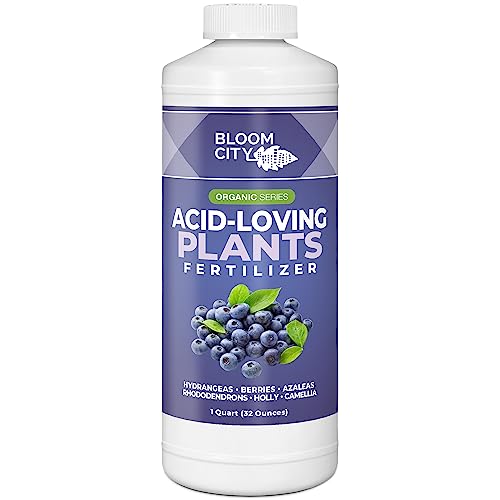
Best for: Plants thriving in lower pH soils, including hydrangeas and blueberries, with a focus on balanced nutrition and robust root development.
Why selected: This liquid formulation supports liquid feeding, allowing quick adjustments to soil acidity and immediate nutrient availability. It’s a practical choice for containers or rapidly changing soils where quick response is desired.
Limitation: Liquid products can require more frequent application than granular options, so plan your schedule accordingly to maintain consistent soil conditions.
Buying Guide: Key Considerations For Acid-Loving Plant Food
- Soil pH and plant needs: Check your soil pH before choosing a fertilizer. Acid-loving plants prefer lower pH (more acidic). If your soil is already acidic, you may favor products with iron or micronutrients to prevent chlorosis.
- Formulation type: Liquid vs. granular vs. organic. Liquids act quickly and are easy to adjust; granules provide slow release; organics improve long-term soil health but may act slower.
- Target plants: Choose a product tailored to azaleas, hydrangeas, rhododendrons, camellias, blueberries, or broad acid-loving groups. Some blends cover a wide range, others are species-specific.
- Iron and micronutrients: Iron helps prevent yellowing in acid-loving plants. Look for formulations that include magnesium, manganese, and sulfur as needed for your plant set.
- Soil type and container gardening: Containers dry out faster; shorter-interval feeding or liquids may be preferable. In-ground beds benefit from slow-release granules or organics for longer-lasting supply.
- Cautions and safety: Avoid over-fertilization, which can harm roots or burn foliage. Follow label directions for application rates and frequency, especially in acidic soils that already supply minerals.
Frequently Asked Questions
- Which acid-loving plant food is best for hydrangeas? A product with iron and magnesium and a soil-acidifying action, such as GARDENWISE 8-4-8 or Espoma Holly-Tone, is often effective for hydrangeas depending on soil conditions.
- Can I mix liquid and granular fertilizers? It’s usually best to avoid mixing different fertilizer forms in one feeding. Use the product according to its instructions and separate applications if needed.
- How often should I feed acid-loving plants? Frequency depends on the product type and plant needs. Follow label directions, and adjust based on rainfall, soil pH tests, and seasonal growth patterns.
- Is organic fertilizer better for acid-loving plants? Organic options like Espoma Holly-Tone support long-term soil health and slow release, which can be easier to manage for hobby gardeners.
- What signs indicate incorrect soil pH? Yellowing leaves (chlorosis) or weak growth can indicate pH-related uptake issues. A soil test helps determine whether pH adjustment is needed.
- Should I apply fertilizer to potted acid-loving plants? Yes, but use formulations designed for containers and monitor soil moisture to prevent salt buildup and root burn.