Valentine’s Day is a perfect time to give a living gift that lasts. This guide highlights five live plants that suit different spaces and skill levels, helping you pick a thoughtful, bloom-friendly or greenery-focused option. Ideal buyers include first-time plant parents, gift-givers seeking air-purifying decor, and those wanting a romantic centerpiece. The selections below balance beauty, longevity, and ease of care for homes, apartments, and offices.
| Product | Best For | Why It Stands Out |
|---|---|---|
| Costa Farms Live Anthurium Indoor Houseplant | Romantic decor lovers | Heart-shaped blooms and air-purifying power in a ready-to-display pot. |
| Costa Farms Money Tree Live Plant | Low-maintenance greenery fans | Classic luck symbol with natural air-cleaning benefits and easy care. |
| Heart Shaped Lucky Bamboo | Desk or small-space gifts | Two-stalk heart shape, ultra-low maintenance, feng shui symbolism. |
| Costa Farms Peace Lily | Calm, elegant indoor spaces | Timeless white blooms and air purification in a tall, stylish plant. |
| Fresh Roses for Delivery Prime (Pink Roses Live Rose Plant) | Traditional floral romance with live plant longevity | Flowering rose plant with vibrant pink blooms, ideal as a lasting romantic gesture. |
Costa Farms Live Anthurium Indoor Houseplant

Best for: Romantic centerpiece collectors and gift recipients who want a striking, year-round bloom. This Anthurium, with heart-shaped red blooms, adds exotic luxury to living rooms or offices and functions as a natural air purifier.
Why selected: Its iconic blooms convey love and hospitality, and it blooms longer than many houseplants, creating a lasting Valentine’s day impression. The included decorative pot means it’s ready for gifting.
Limitations: Avoid placing in direct, intense sunlight, which can scorch leaves. Regular monitoring of moisture is recommended to prevent root rot.
Costa Farms Money Tree Live Plant

Best for: Desk-friendly gift-givers and beginners seeking an attractive air-purifying plant. The Money Tree’s braided trunk makes it a decorative focal point in any room.
Why selected: It elevates spaces while promoting healthier indoor air. Its compact size suits tabletops and shelves, and it harmonizes with most decors.
Limitations: Needs bright indirect light; avoid overwatering, which can lead to root issues. If kept in low light, growth may slow.
Heart Shaped Lucky Bamboo
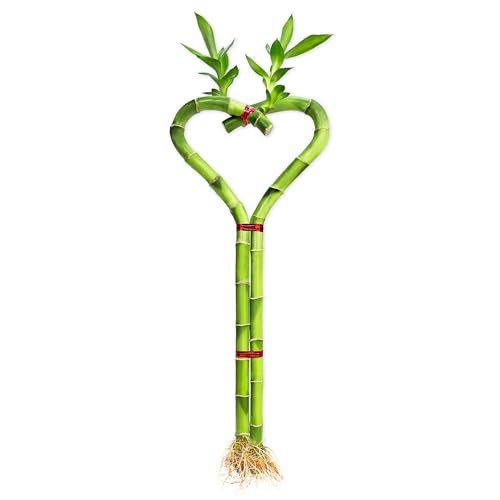
Best for: Small offices, desks, or as a thoughtful office gift with modern aesthetics. The two-stalk heart design emphasizes love and harmony.
Why selected: It combines symbolic meaning with ultra-low maintenance. Water-based care means minimal fuss, and its compact height fits most workspaces.
Limitations: Requires clean water and periodic refreshing; avoid using soil, which is not part of its care approach. Growth can be slower in very low light.
Costa Farms Peace Lily Live Plant

Best for: People seeking elegant, serene indoor greenery with reliable air purification. The tall, white blooms are a classic Valentine’s decor element.
Why selected: Peace Lilies are known for their calming presence and ability to filter indoor air, complementing home or office settings. They pair well with other Valentine plants for layered arrangements.
Limitations: Can be sensitive to overwatering and cold drafts; ensure stable temperatures and consistent moisture without sogginess.
Fresh Roses for Delivery Prime (Pink Roses Live Rose Plant)

Best for: Traditional romantics who appreciate a live flowering plant with lasting bloom potential. It doubles as a bouquet with garden-like growth.
Why selected: This live rose plant delivers classic Valentine’s Day romance in a plant form, offering color and fragrance while serving as a long-term addition to the home garden or indoor setting.
Limitations: Requires consistent sunlight and care like regular feeding; some rose varieties may need more light to maintain flowering.
Buying Guide
What to consider when choosing Valentine’s Day live plants
- Light requirements: Match the plant’s needs to the recipient’s space—bright indirect light for Peace Lily and Anthurium, lower light for Lucky Bamboo and Money Tree.
- Maintenance level: Choose low-maintenance options for busy recipients, such as Lucky Bamboo or Money Tree, and reserve more care-heavy plants like Peace Lily for water-appropriate homes.
- Air purification vs. flowering display: If air quality is a priority, prioritize Peace Lily or Anthurium; if a vibrant bloom is preferred, consider the Roses or Anthurium.
- Space and placement: Desktop plants fit offices and small apartments; taller plants like Peace Lily work well in living rooms or entryways.
- Toxicity considerations: Some plants can be toxic to pets; verify household pet safety if relevant.
- Gift presentation: Decorative pots and ready-to-display packaging enhance gifting, reducing the need for immediate repotting.
Care basics at a glance
- Watering: Most indoor plants prefer consistently moist soil but not waterlogged. Check the pot’s drainage and avoid standing water.
- Light: Place plants where they receive appropriate light exposure; avoid scorching sun for sensitive varieties.
- Humidity and temperature: Keep away from drafts and cold windows; some plants thrive in higher humidity.
- Fertilization: Use appropriate, balanced fertilizers during growing seasons; avoid overfeeding sudden plant changes.
FAQ
- Q: Are these plants suitable for beginners? A: Yes, several selections like Lucky Bamboo and Money Tree are beginner-friendly, while others require more attentive care.
- Q: Can these plants be shipped as gifts directly to someone else? A: Yes, many are presented in ready-to-display pots and arrive suitable for gifting.
- Q: Do these plants improve air quality? A: Several options, including Peace Lily and Anthurium, offer natural air purification properties.
- Q: Which plant is best for a small desk? A: Heart Shaped Lucky Bamboo or Money Tree are ideal for compact spaces.
- Q: What if the recipient has pets? A: Check pet safety for each plant; some varieties may be toxic to cats or dogs.
- Q: How long do blooms last on flowering plants? A: Bloom longevity varies by species and care; Anthurium blooms can persist with proper conditions, while roses may require ongoing care for continued flowering.