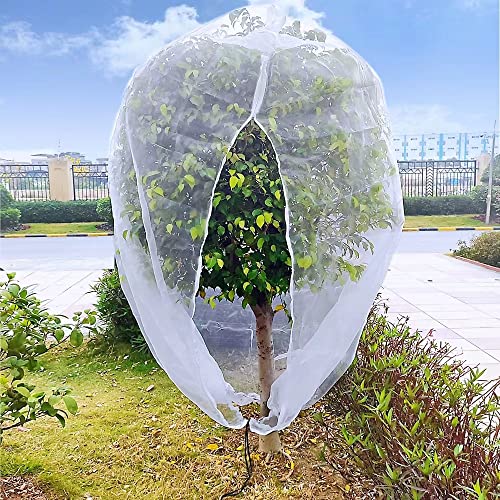
Best Bird Netting for Fruit Trees: Durable Covers to Protect Your Harvest
Protecting fruit trees from birds, insects, and other predators is essential for steady harvests. This guide showcases five top-rated garden netting options, highlighting coverage, durability, and ease of use. Each product is chosen for effective protection, weather resistance, and practical access for harvesting and care. Compare sizes, features, and installation methods to find the best fit for your orchard or backyard orchard beds.
Product
Brand
Approx. Coverage
Key Benefit
4Pcs Bird Netting For Fruit Trees
FIFNIM
5 x 6.6 ft each
Lightweight, breathable, easy on/off
10x10Ft Tree Netting
LHongL
10 x 10 ft
Zippers on both sides for easy fruit access
Fruit Tree Netting With 2-Way Zipper
Garden Tailor
6.4 x 6.4 ft
Two-way zipper for convenient harvesting
Cookmaster 10x10Ft Netting
Cookmaster
10 x 10 ft
60-mesh, durable drawstring and zipper
2Pcs Large 8x8ft Netting
WenTao
8 x 8 ft each
Double netting with reinforced access
Choosing the right bird netting involves understanding coverage needs, mesh density, ventilation, and ease of use. The selections below balance size, mesh quality, and practical features like zippers and drawstrings to minimize fruit loss while keeping plants healthy through airflow and rainfall.
The FIFNIM netting comes as a set of four 5 by 6.6-foot panels, designed to cover fruit trees, herbs, bushes, and vegetables. The mesh is a light, UV-stabilized polyethylene fabric with a 0.03 x 0.03 inch opening, balancing sun exposure, airflow, and moisture penetration. A drawstring lock at the base simplifies installation and removal, and the lightweight construction reduces wind-driven stress on branches. This option is ideal for small to mid-size trees or berry patches that require flexible coverage without heavy equipment.
LHongL 10x10Ft Large Tree Netting
The LHongL netting offers substantial coverage with a 10 by 10-foot footprint and a 75-inch unfold diameter. It features zippers on both sides to grant easy access to ripe fruit without fully removing the netting. The material is designed to resist sun exposure and heavy rain, with an upgraded drawstring and zipper to enhance durability. It suits larger trees like peaches, cherries, and figs, providing robust protection while preserving light, air, and water movement.
Garden Tailor’s netting is designed for practical fruit protection with a 6.4 by 6.4-foot size. It features a two-way zipper, enabling fruit picking from the top or sides without removing the entire cover. The 40-mesh HDPE fabric balances light transmission and airflow, while offering 5+ years of outdoor use. This option is well-suited for small to medium trees bearing berries or fruit but still requiring full-season insect and bird deterrence.
Cookmaster’s 10×10-foot netting is built from high-quality polyethylene with a thick, 60-mesh design. The large coverage accommodates many fruit trees and adjacent shrubs. The design includes a reinforced drawstring and a practical zipper system, making installation straightforward and reducing wind-related displacement. The mesh allows substantial light, air, and rain passage, supporting plant health while creating a physical barrier against birds, Cicadas, and other pests.
WenTao provides two large 8-by-8-foot nets designed to cover multiple trees or larger individuals. The package includes drawstrings and a zipper system designed to secure coverage while permitting easy access to harvest. Built from UV-stable materials, these nets balance durability with flexibility, helping to maintain fruit quality while preventing damage from birds, cicadas, and other garden pests. This option is versatile for medium to larger orchard setups and seasonal protection needs.
Buying Guide: Key Purchase Considerations
When evaluating fruit tree netting, consider the following factors to ensure effective protection and ease of use:
Tree size and canopy shape: Measure typical tree height and spread to choose a net with sufficient coverage. Larger trees benefit from 8×8 ft to 10×10 ft options with generous overlap.
Mesh density: Finer mesh (smaller openings) offers better protection against small pests but may reduce airflow. A balance between pest exclusion and light transmission is essential.
Ventilation and light: Ensure the netting allows adequate sunlight, rainfall, and air exchange to prevent mold and poor fruit development. Mesh density and larger openings can be advantageous in hot climates.
Accessibility: Zippers on sides or tops, and drawstrings, simplify harvesting and maintenance. Two-way zippers provide the most flexibility for frequent picking.
Weather resistance: Look for UV-stabilized fabrics and robust seams. Durable materials prevent tearing in wind and rain and extend the product’s lifespan.
Installation and removal: Consider whether you require a quick setup or seasonal deployment. Drawstrings and lightweight panels facilitate fast installation and storage.
Animal compatibility: Ensure the netting design discourages birds, squirrels, deer, cicadas, and other garden pests without harming wildlife or plants.
Reusability: Reusable nets reduce long-term costs and environmental impact. Check for stitching integrity and fabric longevity to sustain multiple growing seasons.
Practical use tips: position nets to cover fruit-bearing sections first and secure edges to the ground or plant base to deter pests from slipping underneath. For best results, pair netting with other IPM (Integrated Pest Management) practices, such as proper staking and watering routines, to maintain tree health while protecting yields.