Yes—these products provide reliable protection for wood that sits in contact with soil, mulch, or water. The best options deliver insecticidal protection, rot prevention, and a clear finish that helps maintain appearance while extending life. This guide focuses on products suitable for ground-contact scenarios, including below-ground and exterior installations. It’s ideal for homeowners, landscape professionals, and DIYers who need durable solutions for decks, fences, posts, and structural timber.
| Product | Best Use | Key Benefit |
|---|---|---|
| Wolman 1904A WoodLife CopperCoat Green | Ground contact and exterior wood | Insecticidal protection and rot prevention with a transparent green finish |
| Wolman 1901A-4PK CopperCoat Green (4 Pack) | Larger ground-contact projects | Broad insecticidal protection with dense coverage and color |
| Green Products 33004 Copper Brown Wood Preservative | Surface protection in moisture-rich zones | Seals wood and guards against mold, mildew, and insects |
| PenaShield Penetrating Wood Preservative | Termite-prone areas and interior wood | Deep penetration for long-lasting protection with no discoloration |
| Green Products Co. 30001 Copper Green Wood Preservative | Wood surfaces meeting water or soil | Seals wood and protects against mold and insects |
Wolman 1904A WoodLife CopperCoat Green
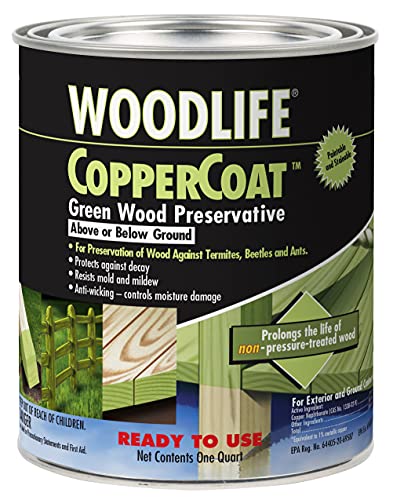
Best for exterior wood exposed to soil or moisture, this EPA-registered preservative acts as both an insecticide and rot inhibitor. The transparent green finish provides a natural look while offering protection against termites and other wood-boring insects. Choose this for new or untreated wood in below-ground, ground contact, or water-adjacent installations. Be aware that continuous exposure to harsh conditions may necessitate reapplication over time to maintain protection.
Wolman 1901A-4PK CopperCoat Green
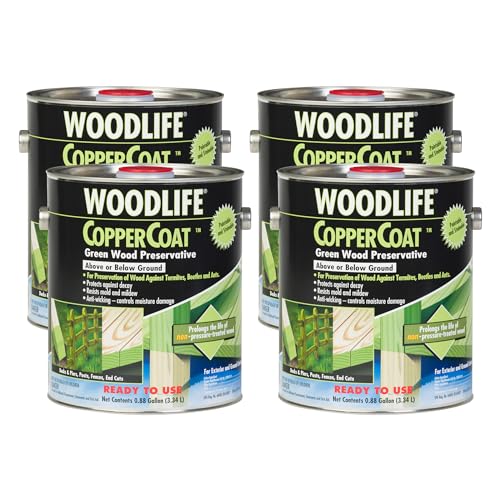
Best for larger ground-contact projects or multi-deck builds, this four-pack provides broad coverage with a single color and insecticidal protection. The formula imparts a transparent green hue that fades naturally, helping maintenance decisions while preventing termite damage, rot, and decay. It’s suitable for exterior wood that will be in contact with soil or fresh water. A limitation is that color can fade over time, which may require reapplication to maintain uniform appearance.
Green Products 33004 Copper Brown Wood Preservative

Best for sealing wood surfaces exposed to moisture and soil, this product focuses on long-term protection by reducing moisture ingress and inhibiting mold and mildew growth. It also claims to kill off harmful insects. It’s a practical option for projects where you want a darker, copper-brown tone that blends with natural surroundings. A limitation is that surface prep is important to maximize seal and insecticide performance, as peeling or dust can reduce effectiveness.
PenaShield Penetrating Wood Preservative

Best for indoor or semi-exposed applications where deep protection is needed against termites, carpenter ants, and decay fungi, PenaShield uses a borate-based solution that penetrates deeply. It’s ready-to-use and can be applied by spray or brush. It does not discolor wood once dry, allowing painting or staining after treatment. A limitation is that performance depends on thorough penetration; very dense woods may require additional steps for optimal protection.
Green Products Co. 30001 Copper Green Wood Preservative

Best for wood surfaces meeting water or soil contact, this preservative seals the wood and helps guard against mold, mildew, and harmful insects. It’s a practical, straightforward option for decks, posts, and fencing adjacent to moisture. A potential drawback is that, like many surface-applied products, repeated exposure to harsh conditions may necessitate reapplication to maintain full protection over time.
Buying Guide: Key Considerations For Ground-Contact Wood Preservatives
- Insecticidal protection: If termites or wood-boring insects are a major risk, prioritize products labeled as insecticidal and designed for ground contact.
- Depth of penetration: Penetrating formulations tend to offer longer protection against decay and pests; surface sealers help reduce moisture ingress.
- Color and appearance: Transparent or natural-tinted preservatives preserve wood look; colored finishes can help with visual monitoring of wear.
- Application method: Ready-to-use sprays or brushes speed up jobs; consider bulk packs for larger projects to reduce frequent reapplication.
- Moisture exposure: For wood in constant contact with soil or water, look for products rated for below-ground and ground-contact installations.
- Reapplication interval: Durable protection may require reapplication at intervals driven by climate, exposure, and wood type.
- Compatibility: Ensure the preservative is suitable for both untreated and pressure-treated wood in contact with soil or fresh water.
Frequently Asked Questions
- What is ground-contact wood preservative?
It is a treatment formulated to protect wood that touches soil or moisture from insects and decay. - Can I use surface sealers for ground contact?
Yes, but for best protection in wet areas, combine with an insecticidal preservative or penetrating treatment. - How often should I re-treat wooden posts and decks?
Reapplication depends on climate, exposure, and product type; follow product guidelines and inspect annually. - Is color discoloration a concern?
Some products impart color; others are clear. Choose accordingly if you want a specific look or paint/stain compatibility. - Are these products safe for plants near treated wood?
Most are designed to limit runoff; follow manufacturer instructions and keep treated wood away from edible plants when applying. - What wood types benefit most from these treatments?
Untreated softwoods, exposed deck boards, and structural timbers in contact with soil typically benefit most.