When choosing wood-based plant supports, the goal is sturdy, moisture-resistant designs that guide vines and climbing plants without harming roots. This guide highlights five practical wood plank and wooden support options for indoor and potted plants. It targets buyers seeking durable, natural materials, simple assembly, and adaptable heights for growing greens, vines, and foliage. The top picks are ideal for different plant types, from compact herbs to tall philodendrons.
Summary table of selected products
| Product | Best For | Key Benefit | Limitations |
|---|---|---|---|
| LZLUCKCOME Wooden Plant Climbing Planks | Heavy climbing vines in indoor setups | Single-piece pine wood, moisture-protected base | More modular extensions available inside the kit |
| Lugailly Wood Strips Slats | Crafters and DIY plant projects | Unfinished pine slats, uniform size, easy to work with | Basic slats—no built-in moisture barrier |
| Treleaf Zella Regular Starter Kit | Indoor climbing houseplants, decor-conscious buyers | Cedarwood, rot-resistant, decorative yet functional | Limited to kit components; expansion depends on add-ons |
| Yalikop Indoor Plant Trellis | Small to medium pots, decorative lattice | Honeycomb design, wood-based, simple setup | Smaller footprint; multiple units may be needed for larger plants |
| 4 Pack Moss Pole Monstera Support | Tall climbing plants, Monstera and pothos | Extendable up to 48 inches, coco coir pole with accessories | Primarily moss-based support rather than plain wood |
LZLUCKCOME Wooden Plant Climbing Planks

Best for: indoor setups with heavy climbing vines and herbs that need robust vertical support. These planks use solid pine wood for higher load-bearing strength compared with plywood options. A moisture-protected base reduces risk of warping in damp soil environments, making them suitable for potting mixes and humid rooms. The modular design lets you extend height as plants grow.
Why selected: The combination of solid one-piece pine construction and a protective moisture barrier addresses common wood rot and cracking issues found in moisture-rich indoor pots. The extendable design supports different plant heights, enabling a customizable climbing frame without frequent replacements.
Limitations: The base kit ships with key base and extension pieces, but you may need to purchase additional extensions if you intend to create very tall trellises for vigorous climbers.
Lugailly Wood Strips Slats
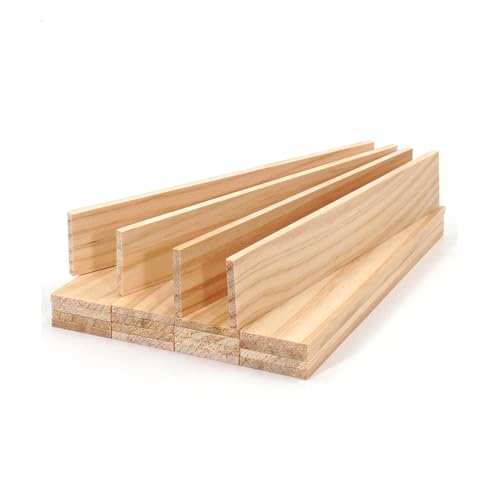
Best for: crafters and DIY plant projects that need flexible, unfinished pine planks. These wood slats are solid pine, uniform in size, and designed to be easy to work with for custom trellises, frames, or decorative supports inside plant displays.
Why selected: The emphasis on straight, splinter-free surfaces makes them a reliable starting point for building personalized plant supports, frames, or decorative panels. They’re well suited for buyers who enjoy customizing their plant scapes with bespoke wood work.
Limitations: They do not include moisture barriers or pre-drilled hardware, so additional treatment or finishing may be required to maximize longevity in wet potting environments.
Treleaf Zella Regular Starter Kit

Best for: indoor climbers where a decor-friendly, rot-resistant plant trellis is preferred. The cedarwood construction provides durability and helps aerial roots grip for healthier climbing plants. The kit includes bases, extensions, end caps, and clips for quick assembly.
Why selected: The Zella trellis blends nature-inspired design with practical function, offering rot resistance and a smooth finish on one side to aid plant gripping, while the rough side encourages natural aerial root contact. It’s a solid pick for decorative plant corners that still need reliable support.
Limitations: It relies on cedarwood rather than pine; some buyers may prefer a lighter or cheaper wood type for budget projects or shorter plants.
Yalikop Indoor Plant Trellis

Best for: small to medium pots needing a honeycomb-style trellis that leaves room for plant growth while maintaining a tidy, modern look. The wood-based frame is reliable for ivy, vines, and flowering climbers.
Why selected: The honeycomb design balances aesthetics and function, providing a natural way to guide vines in a controlled pattern. It’s easy to install and compatible with typical pot setups, fitting well in living rooms or offices.
Limitations: Might be less effective for very tall or heavy climbers that require taller or sturdier vertical supports; consider multiple trellises or taller options if needed.
4 Pack Moss Pole Monstera Support
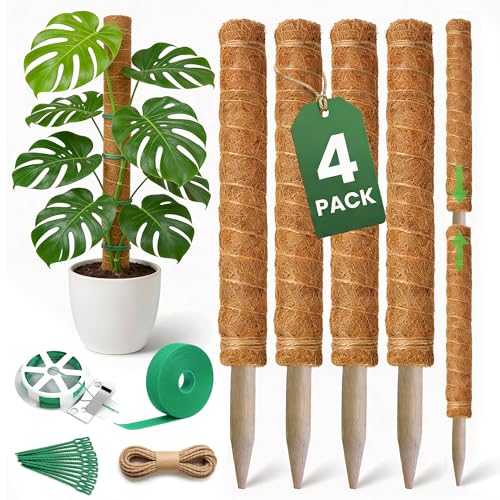
Best for: taller climbing plants like Monstera, pothos, and philodendrons that benefit from a tall, vertical support with moisture-retaining moss. Includes additional accessories for installation.
Why selected: These stackable moss poles provide a tall, natural-looking support that helps keep top-heavy climbers upright while retaining moisture, which benefits plant hydration and growth.
Limitations: The moss pole design means the primary material is coco coir rather than solid wood; use alongside wood trellises if you prefer a wood-heavy aesthetic or more rigid support structures.
Buying Guide: Wood Plant Supports—Key Considerations
What should I prioritize when choosing wooden plant supports?
- Moisture resistance: Indoor pots place wood near damp soil. Look for bases or coatings that protect the wood from moisture.
- Strength vs. weight: Solid wood offers strength for heavy climbers but can be heavier to install. Balance plant height and expected load.
- Modularity: If your plant grows, choose expandable designs or kits that allow adding extensions without replacing the entire structure.
- Aesthetic fit: For visible displays, select finishes and wood tones that complement the room’s decor.
- Ongoing maintenance: Some woods require sealing or occasional treatment to prolong life in moist environments.
- Installation ease: Consider whether the product includes hardware or requires additional tools for assembly.
How to choose between wood planks and other plant supports?
Wood planks and slats provide a natural look and often excellent stiffness for upright growth. For very tall or heavy plants, combine wooden supports with moss poles or totem poles to distribute weight and improve stability. For decorative indoors, cedar or pine with protective coatings can strike a balance between appearance and durability.
Maintenance tips for wooden plant supports
- Apply a moisture barrier or sealant to pine wood bases to slow water absorption and reduce rot risk.
- Inspect joints regularly for looseness and tighten hardware as plants grow.
- Replace any warped or cracked sections to prevent plant damage or support failure.
FAQ
- Q: Are wooden plant supports safe for all houseplants? A: Yes, but verify load capacity and ensure proper attachment to avoid stressing plant stems.
- Q: How do I protect wood from moisture in pots? A: Use products with moisture barriers or treat wood with sealants designed for indoor use.
- Q: Can I reuse wooden supports for different plants? A: Yes, modular and adjustable designs can accommodate growing vines and shifting plant sizes.
- Q: What is the best wood type for indoor trellises? A: Solid pine offers strength at a reasonable price; cedarwood resists rot but may be heavier and pricier.
- Q: Do these supports require tools to install? A: Some kits include hardware and clips; others may require basic tools for assembly.
- Q: Should I combine moss poles with wooden trellises? A: Combining can provide both moisture retention and vertical guidance for top-heavy climbers.