Find the best wild sunflower seeds for planting to support pollinators, add natural beauty, and suit a range of growing spaces. This guide covers five top choices suited for native, drought-tolerant, and ornamental sunflower gardening. Each option targets different gardeners—from beginners to seasoned landscapers—so you can pick seeds that fit your climate, soil, and wildlife goals.
Buyer-friendly at-a-glance summary:
| Product | Best For | Notable Point |
|---|---|---|
| 3,000 Organic Wild Sunflower Seeds | Pollinator-friendly, native planting | Simple, bulk option |
| HOME GROWN Sunflower Seeds Mix Pack | Colorful, tall varieties, wildlife garden | Wide height range |
| Native Prairie Sunflower Seeds (Helianthus petiolaris) | Drought tolerance, prairie restoration | Native to North American prairies |
| Seed Needs Crazy Blend | Pollinator garden with multiple colors | 15+ varieties |
| Fruivity 15+ Varieties Sunflower Mix | Maximum diversity, high germination | Heritage and mix variety |
3,000 Organic Wild Sunflower Seeds 1 Ounce

The 3,000 Organic Wild Sunflower Seeds provide a straightforward, native option for gardeners seeking robust, pollinator-friendly blooms. This choice is best for gardeners wanting a simple, bulk seed supply that supports bees and butterflies while offering easy ground coverage. Best for: new native gardens, pollinator corridors, and large planting beds where quantity matters. Caution: seed quality and germination depend on storage conditions prior to planting.
HOME GROWN Sunflower Seeds Mix Pack

This mix pack includes over 1,500 seeds across nine colors and a height range from 2 to 10 feet. It’s ideal for beginners and busy gardeners who want a visually impactful, wildlife-friendly display. Best for: colorful borders, pollinator beds, and quick visual impact. Caution: with taller varieties, support may be needed in windy areas to prevent flopping.
Native Prairie Sunflower Seeds for Planting

Helianthus petiolaris seeds offer drought tolerance and native prairie habitat benefits. This option supports pollinators while thriving in poorer soils and full sun, making it well-suited for restoration projects, erosion control, and xeriscaping. Best for: native plant landscapes, prairie restoration, and low-water gardening. Caution: as a native wildflower, germination rates can vary with soil preparation and established plant competition.
Sunflower Mix Seeds Pack 8 oz

Organo Republic’s mix pack includes over 10,300 non-GMO heirloom seeds in one 8-ounce bag. It’s designed for versatility and high germination, with a waterproof resealable bag and online growing guide. Best for: gardeners seeking abundant variety, straightforward storage, and a resource for beginners. Caution: the broad mix may include dwarfs and giants, so plan spacing accordingly to manage mature plant size.
Seed Needs Crazy Blend Sunflower Seeds
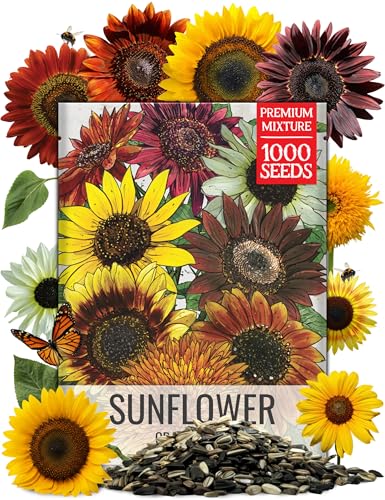
The Crazy Blend includes 15+ varieties with a spectrum of colors and bloom sizes. It’s a strong choice for butterfly gardens and education plantings, offering broad visual appeal and pollinator support. Best for: butterfly-friendly landscapes, mixed borders, and seed collectors. Caution: varying bloom times may require staggered planting for a continuous display.
Fruivity 15+ Varieties Sunflower Mix

Fruivity’s 15+ variety mix provides the broadest range of heights, colors, and bloom forms. This is ideal for gardeners who want a dynamic landscape with continuous color and strong pollinator attraction through the growing season. Best for: ornamental beds, edible gardens with visual appeal, and educational settings. Caution: with many varieties, some seeds may germinate more slowly or require different spacing strategies.
Buying Guide
Seed quality and suitability are key. Consider these factors when choosing wild sunflower seeds for planting:
- Pollinator value: select seeds labeled for attracting bees, butterflies, and birds.
- Native vs. non-native: native options support local ecosystems and may have better drought tolerance.
- Plant height and growth habit: match varieties to your space, from compact dwarfs to tall backdrops.
- Soil and sun requirements: most sunflowers prefer full sun and well-drained soil, but prairie and drought-tolerant types tolerate poorer soils.
- Germination and storage: look for high germination rates and resealable packaging for long-term viability.
- Water needs: drought-tolerant mixes reduce irrigation after establishment but may require initial moisture for germination.
- Garden goals: whether you want a colorful display, a wildlife corridor, or ground cover to prevent erosion.
Practical planting tips
- Plant in early spring after the last frost for most warm-season sunflowers.
- Space according to anticipated mature size to avoid crowding and competition.
- Water consistently during germination and establish a deep, infrequent watering habit after seedlings mature.
- Mulch to reduce weed pressure and retain soil moisture.
- Deadhead spent blooms where you want to extend color or allow for self-seeding in a controlled area.
Maintenance perspectives
- Pollinator impact: blooming sunflowers provide nectar in mid to late summer, supporting pollinator populations.
- Deer and wildlife considerations: some native sunflowers exhibit deer resistance, while others may attract a broader range of wildlife.
- Perennial vs. annual habits: Maximilian sunflower is a perennial option that can self-seed and spread, while many mixes are annuals or short-lived perennials.
FAQ
- Q: Are wild sunflower seeds suitable for beginner gardeners? A: Yes, many mixes are designed for easy germination and quick color.
- Q: Do these seeds attract pollinators year-round? A: Sunflowers typically bloom in mid to late summer, supporting pollinators during that period.
- Q: Should I start sunflowers indoors or plant directly? A: Direct sowing in the garden is common for large varieties; some mixes can be started indoors for earlier blossoms.
- Q: Will these seeds reseed themselves? A: Some native or drought-tolerant varieties self-seed under the right conditions; check variety specifics.
- Q: Do these seeds require special soil amendments? A: Most thrive in well-drained soil; additions like compost improve establishment but aren’t always required.
- Q: Can sunflowers be used for erosion control? A: Yes, many sunflowers with strong root systems help stabilize soil in rocky or sloped areas.