Creating a vibrant, violet-hued lawn can brighten outdoor spaces while supporting local pollinators. The following violet and viola seeds offer a range of colors, growth habits, and planting temps to suit American climates. Below is a quick snapshot of five strong choices, spanning perennial and annual varieties with easy care and reliable germination.
| Product | Brand | Key Benefit |
|---|---|---|
| Groundio Johnny Jump Up Seeds | Groundio | Perennial, great for US zones 6-10; strong germination |
| Sow Right Seeds – Violet Johnny Jump-Up | Sow Right Seeds | Colorful tri-color blooms; attracts pollinators |
| 200+ Perennial Viola Philippica Violet | Generic | Compact perennials with rich violet blooms |
| Seed Needs King Henry Viola Seeds | Seed Needs | Large, dark-hued violas; long flowering |
| Sow Right Seeds – Petunia Wild Violet | Sow Right Seeds | Compact petunia with vivid purple blooms; container-friendly |
Groundio Johnny Jump Up Seeds

Groundio’s Johnny Jump-Up seeds deliver perennial violets suitable for US climate zones 6 through 10. They prefer full sun and well-drained sandy loam soils, germinating in about 7-10 days. These seeds are marketed as high germination and grown in the USA, offering a reliable, long-lasting display with seasonal blooms in spring and fall. As a perennial, they return year after year with modest care, creating a cheerful sea of color with relatively low maintenance requirements.
Sow Right Seeds Violet Johnny Jump-Up
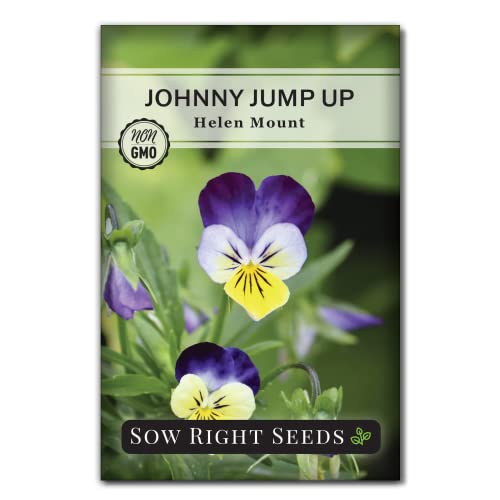
This Sow Right Seeds offering features large packets of Johnny Jump-Up violets in tri-color blooms—purple, yellow, and white. The seeds germinate in about 7-14 days at soil temperatures around 70-75°F. Plant about 1 inch deep with 3 feet of spacing in full sun. The variety grows 8-12 inches tall with a spread of 2-3 feet and typically reaches flowering in about 80-90 days. It’s cold-hardy and well-suited to zones 3-9, making it versatile for containers and garden beds while supporting pollinators.
200+ Perennial Viola Philippica Violet Seeds
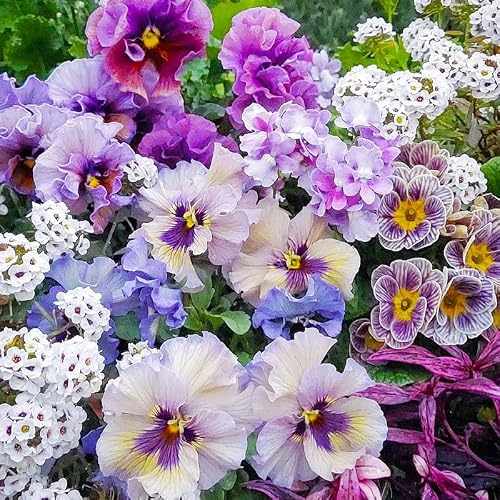
These Viola Philippica seeds offer a compact perennial option with deeply colored violet blooms. They thrive in cooler conditions and are suitable for zones that experience mild winters. Sow in well-draining, fertile soil in spring or autumn, shallowly covering the seeds. Keep soil consistently moist as germination occurs, then maintain moderate moisture through the growing season. Their compact stature makes them ideal for borders, containers, or small garden patches, delivering consistent color year after year with light care.
Seed Needs King Henry Viola Seeds
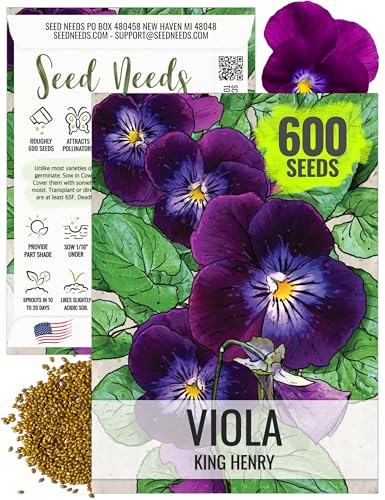
King Henry Violas offer large, velvety flowers with a deep purple hue and a bright yellow center. Hardy in USDA zones 5-9, these perennials reach about 6-8 inches tall and prefer partial shade with consistently moist soil; they can tolerate some sun if moisture is maintained. They bloom from spring through fall, providing a long flowering period ideal for edging, borders, or container plantings. These violas contribute substantial visual impact and color continuity across multiple seasons.
Sow Right Seeds Petunia Wild Violet
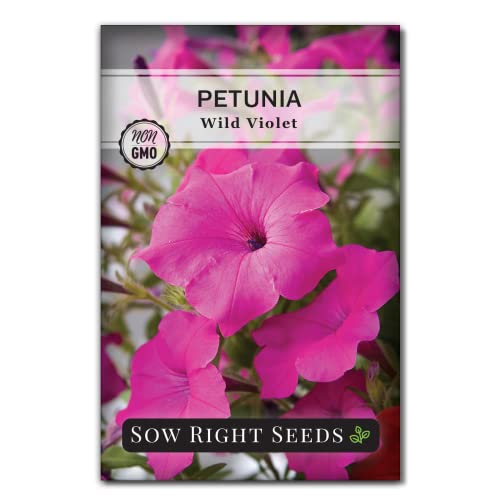
Petunia Wild Violet seeds yield a striking low-growing plant suitable for hanging baskets and containers. These heat-tolerant blooms will illuminate containers and borders with velvety purple flowers. Germination takes around 14-28 days at soil temperatures of 70-80°F. Plant about 1/16 inch deep and space 6-8 inches apart in full sun. The plant typically reaches 3-4 feet tall with a 2-3 foot spread and completes its bloom cycle in 60-90 days, providing a vibrant violet display throughout growing seasons. It’s particularly appealing for pollinators, offering a steady nectar source during warm months.
Buying Guide: Violet Seed Selection For Lawns
Key factors to consider when choosing violet seeds for a lawn area include climate suitability, growth habit, bloom season, and maintenance needs. Perennial varieties like Groundio Johnny Jump Up and King Henry Violas offer year-after-year color with minimal replanting, making them ideal for low-maintenance lawns. Annual options, such as Petunia Wild Violet, provide immediate color for a single season and can be used to create dramatic container displays or focal points in the yard.
Sun exposure and soil type are critical. Most violets prefer full sun to light shade and well-drained, moderately fertile soil. If your soil tends toward dampness, look for varieties noted for moisture tolerance or consider raised-bed planting or container setups. For colder regions, choose cold-hardy perennials (e.g., Johnny Jump Up or King Henry Violas) to maximize overwintering success. For warmer regions, summer heat-tolerant selections like Petunia Wild Violet can maintain color later into the season.
Germination timing and spacing influence final density and bloom quality. Seeds like Johnny Jump-Up germinate quickly (about 7-10 days) and benefit from light mulching. Many violas require shallow sowing and even moisture during germination, followed by regular but moderate watering. Spacing recommendations vary from 2-3 feet for larger annuals to denser plantings for perennials used as ground cover or borders. Mulching helps retain moisture and suppress weeds, supporting long blooming cycles.
Pollinator impact is another consideration. Violet varieties typically attract bees and butterflies, supporting local ecosystems. For a lawn, planting a mix of perennials and annuals can extend bloom windows and reduce maintenance by providing continuous color across seasons. Container-friendly options (like King Henry Violas and Violet Petunias) also offer flexibility for patios, entryways, and smaller urban landscapes.
Finally, assess maintenance needs. Perennials reduce replanting, but some may require periodic deadheading or pruning to maintain vigor. Annuals often demand more frequent sowing but deliver dramatic, season-long color with fewer years of commitment. By balancing perennials for lasting color with annuals for a showy display, you can craft a violet-dominant lawn that appeals to humans and pollinators alike.