Direct answer: untreated cedar raised beds deliver natural rot resistance, attractive appearance, and long-lasting performance for urban patios, backyards, and balcony gardens. This guide compares five cedar options to help buyers pick the right size, depth, and assembly style for vegetables, herbs, and flowers. The top picks are best for small-space balconies, mid-sized gardens, and deeper-rooted crops. Each option is suited to different ergonomics, budget, and DIY readiness, with clear pros, cons, and use cases.
Summary table of chosen products:
| Product | Best For | Key Benefit | Notable Limitation |
|---|---|---|---|
| Greenes Fence Original Cedar Elevated Garden Bed, 24″ x 48″ | Patio spaces, back-friendly gardening | Sits 31″ high for easy access | Only 24″ wide, limited root depth |
| Greenes Fence Classic Cedar Raised Bed, 2′ x 8′ x 10.5″ | Vegetables and herbs in long beds | Long, narrow footprint with deep bed | Assembly required |
| Greenes Fence Classic Cedar Raised Bed, 2′ x 4′ x 10.5″ | Compact spaces, balcony gardens | 2×4 footprint fits tight areas | Smaller growing area |
| Greenes Fence Premium Cedar Raised Bed, 2′ x 4′ x 10.5″ (2-Pack) | Multiple beds, quick setup | Thicker boards for sturdiness | Two-pack requires space planning |
| Infinite Cedar Select Cedar Raised Bed, 4′ x 8′ x 17.5″ | Larger plots, diverse crops | Generous soil depth and footprint | Requires more space |
Greenes Fence Original Cedar Elevated Garden Bed

Product overview: This elevated bed uses untreated North American cedar and is designed for easy gardening on patios, porches, decks, or balconies. It’s best for gardeners who want raised-bed convenience without bending. Its elevated height reduces crouching and back strain, making it ideal for seniors or gardeners focused on accessibility.
Who it’s best for: Small-space planters who need an accessible, USA-made cedar option for vegetables, herbs, or flowers. It’s particularly suitable for urban dwellers with limited ground space and an eye for classic cedar aesthetics.
Why selected: The combination of unpolymerized cedar, USA origin, and a compact footprint provides a straightforward, low-maintenance raised-bed solution for lighter to moderate plantings.
Caution: Width is 24″—plan rotations and crop choices to maximize use of the bed without overcrowding.
Greenes Fence Classic Cedar Raised Bed, 2′ x 8′ x 10.5″
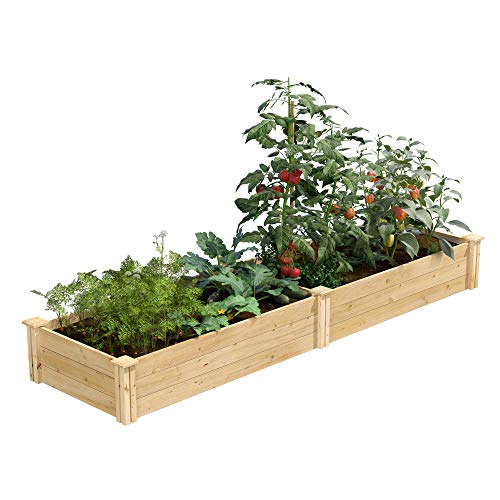
Product overview: This long, narrow cedar bed is built from untreated North American cedar with a 10.5″ depth, offering ample soil volume for root vegetables and deep-rooted herbs. It uses Greenes Fence’s dovetail assembly system for tool-free setup, easing assembly even for first-time builders.
Who it’s best for: Gardeners who want a longer single-bed layout to maximize planting rows in a back yard or patio edge without sacrificing soil depth.
Why selected: The long footprint supports high-yield crops, while the 10.5″ depth accommodates a broad range of crops and makes efficient use of space in a rectangular plan.
Caution: Assembly is required; ensure you have adequate working area to lay out the dovetail pieces during setup.
Greenes Fence Classic Cedar Raised Bed, 2′ x 4′ x 10.5″

Product overview: A compact cedar bed with 10.5″ depth, crafted from untreated American cedar. It emphasizes easy assembly via a dovetail system and solid construction aimed at home gardens with limited space.
Who it’s best for: Balcony or small yard gardeners seeking a practical, space-efficient bed for lettuce, herbs, and compact vegetables.
Why selected: The 2′ x 4′ size is highly adaptable for edge planting along fences or patios while delivering sturdy build quality in cedar.
Caution: Smaller footprint means limited crop variety per bed; plan crop rotations accordingly.
Greenes Fence Premium Cedar Raised Bed, 2′ x 4′ x 10.5″ (2-Pack)
Product overview: This two-pack features thicker, 3/4″ boards and 2.5″ square corner posts, all made from untreated North American cedar. Dovetail joints enable fast, tool-free setup, delivering sturdier overall bed construction.
Who it’s best for: Gardeners who want multiple cedar beds with enhanced durability and a straightforward assembly process for medium-scale vegetable patches.
Why selected: Thicker boards offer improved longevity and a more rugged feel for outdoor use, particularly in climates with variable weather.
Caution: A two-pack requires planning for placement and spacing to maximize garden layout and crop variety.
Infinite Cedar Select Cedar Raised Bed, 4′ x 8′

Product overview: A larger, durable cedar raised bed crafted from 100% natural Western Red Cedar. It emphasizes rot resistance, clean lines, and robust construction designed for more extensive plantings and heavier soil loads.
Who it’s best for: Homeowners with bigger plots or raised-bed gardens who want a single, roomy bed capable of handling diverse crops, from greens to root vegetables.
Why selected: The generous 4′ x 8′ footprint and natural cedar properties combine to deliver a balance of space, beauty, and longevity for seasoned gardeners.
Caution: Requires more space and heavier installation effort; ensure sturdy support and level ground before setup.
Buying Guide: Key Considerations For Untreated Cedar Raised Beds
What size fits my space? Measure available ground or balcony area and consider crop types. Smaller beds (2′ x 4′ or 2′ x 8′) fit tight spaces, while 4′ x 8′ beds suit larger plots and more crop variety.
Depth matters for root crops. Deeper beds (10.5″ or more) support carrots, beets, and larger herbs; shallow beds are fine for greens and shallow-root plants.
Assembly and durability. Look for dovetail or simple joinery that matches your DIY comfort. Thicker boards (3/4″ or more) tend to last longer in outdoor conditions.
Material health and origin. Untreated cedar is attractive and rot-resistant; ensure the cedar is North American and free of chemical treatments if you prefer a natural option.
Maintenance and aging. Cedar will age naturally; some buyers age or seal cedar for a tailored look. Unfinished cedar will weather to a silver-gray patina over time.
Ergonomics and accessibility. Elevated beds reduce bending; choose height and width that minimize strain and match user mobility needs.
Frequently Asked Questions
- Are untreated cedar beds safe for edible gardens? Yes. Untreated cedar is commonly used for edible gardens when it is free of chemical treatments, offering a natural building material with rot resistance.
- Which bed is best for a small balcony? The 2′ x 4′ Cedar Bed is a practical balance of footprint and soil depth for herbs and compact vegetables.
- Do cedar beds require sealing or painting? Cedar can age naturally, or be stained/painted if you want a custom look. Sealing is optional and depends on local climate.
- How deep should my bed be for root vegetables? Aim for 10.5″ or deeper to support root crops like carrots and beets.
- Are there built-in assembly advantages? Some models use dovetail joints for tool-free assembly, reducing setup time and improving stability.
- Is a higher bed better for back comfort? Elevated beds can reduce bending, but ensure the height fits your reach and mobility needs.