Looking for a captivating carnivorous plant that’s relatively easy to care for? Sundews (Drosera) are a standout choice for home collectors, terrariums, and classrooms. This guide highlights five well-suited sundews—perfect for indoor growing, small spaces, and hobbyist curiosity. Each option comes with a clear rationale for who it’s best for, plus practical tips and a caution to consider before you buy.
Summary of selected products
| Product | Best For | Why It Stands Out | cautions |
|---|---|---|---|
| Carnivorous Cape Sundew (Drosera Capensis) Plant 3 inch Pot | Beginners and desk setups | Healthy cape sundew, includes net pot and care sheet for easy starting | Needs consistent humidity; avoid overwatering in very dry environments |
| Carnivorous Spoon Leaf Sundew Drosera Spathulata Plant 3 inch pot | Collectors seeking variety | Live plant with detailed caresheet by the seller; compact 3-inch pot | May require slightly more light to maintain red dew |
| Cape Sundew – Easy Indoor Grow Kit | Shopper who wants kit-in-a-box | Includes plant, pot, soil, and a 30-day guarantee, great for beginners | Shipped bareroot; acclimation time may vary |
| Two Drosera Intermedia Sundews | Two-plant starter kits | Includes two live plants with care sheet; easy dual-plant setup | Needs proper potting mix to support moisture retention |
| Live Spoon-leaved Sundew Plant, Drosera Spatulata | Compact display pieces | 1-2 inch mature size; drosera spatulata with sticky droplets for display | Small plant size may require careful space planning |
Carnivorous Cape Sundew (Drosera Capensis) Plant 3 inch Pot

The Cape Sundew (Drosera Capensis) is a classic starter sundew. This 3-inch pot version is ideal for desks, windowsills, and beginners. The product listing notes a healthy, live plant with a 3-inch net pot and a caresheet to guide care decisions. Best for home offices or classrooms seeking a striking, science-forward gift or conversation piece. It’s chosen for its straightforward setup and dependable growth in typical indoor conditions.
Who it’s best for: someone new to carnivorous plants who wants a recognizable sundew with simple care, plus a reference sheet to reduce guesswork. Why selected: reliable starter sundew with essential growing information. Caution: Sundews prefer bright, indirect light and consistent moisture; neglecting humidity can slow growth.
Carnivorous Spoon Leaf Sundew Drosera Spathulata Plant 3 inch pot
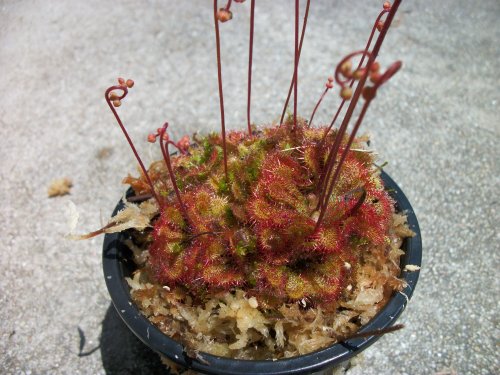
The Drosera Spathulata Sundew is a compact species noted for its Spoon Leaf shape and distinctive sticky tentacles. This 3-inch pot comes with a detailed care sheet written by Joel, the seller, which helps new growers understand light, humidity, and watering needs. Best for hobbyists who want a slightly rarer sundew with approachable care. Caution: Spathulata can suffer if kept in excessively dry conditions or with erratic watering.
Cape Sundew (Drosera capensis) – Carnivorous Plant with Pot, Easy Indoor Grow Kit for Beginners & Nature Enthusiasts

This kit combines a Cape Sundew plant with a pot and soil, plus a 30-day healthy-plant guarantee. It’s positioned as an easy indoor grow option, suited for beginners and nature enthusiasts who want a complete setup. Best for those who prefer a ready-to-grow package and a warranty-on-appearance. Caution: Kit contents may vary slightly by shipment; acclimation and watering regimes are essential for initial growth.
Two Drosera Intermedia Sundews Carnivorous Plants

The Drosera Intermedia Sundews are sold as a pair, with a 3-inch net pot and a detailed care sheet. Intermedia offers a compact, attractive cluster of sundews with slender leaves capable of forming dew. Best for collectors seeking a small, pair-ready display or those who want to grow multiple sundews together. Caution: Intermedia species may need higher humidity or more light to maintain vibrant red dew versus greener growth.
Live Spoon-leaved Sundew Plant, Drosera Spatulata
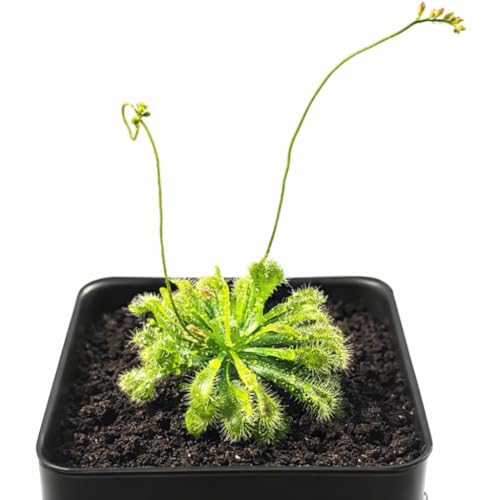
The Drosera Spatulata Sundew is highlighted in a live plant listing with a 1-2 inch maturity range and a plastic pot. It produces droplets that trap insects and ships with a 30-day healthy-plant guarantee. Best for small-space displays or as a starter plant for a desk terrarium. Caution: Very small juveniles may require attentive watering and a stable light source to encourage strong new growth.
Buying Guide: Key Considerations For Sundew Purchases
- Light and placement: Sundews generally prefer bright, indirect light. Avoid harsh sun that can scorch leaves. For low-light rooms, consider supplemental artificial light.
- Humidity and moisture: These plants thrive with consistent moisture in acidic media. Use distilled or rainwater to avoid mineral buildup; never let pots sit in standing water for long periods.
- Container and soil: Choose a well-draining mix suited for carnivorous plants (typically low-nutrient peat and sphagnum). Ensure pots have drainage to prevent root rot.
- Watering routine: Keep the substrate evenly moist but not soggy. A routine schedule helps prevent stress during acclimation after shipping.
- Species differences: Capensis is typically sturdy and forgiving for beginners; Drosera Intermedia and Spathulata may crave slightly different humidity or light balance. Match the species to your space.
- Kit advantages: Kits provide a ready-to-grow package, including pot, soil, and care guidance, which is helpful for first-time growers.
- Size and space: Consider eventual plant size and growth rate. Sundews can stay compact in containers, but some may spread more than expected in ideal conditions.
Frequently Asked Questions
- Are sundews easy to care for indoors? Yes, with bright indirect light, consistent moisture, and a suitable carnivorous-plant soil mix.
- Do sundews need fertilizer? No. Sundews obtain nutrients from captured insects; added fertilizer can harm them.
- Can sundews grow in terrariums? They can, but ensure good airflow and avoid excessive humidity that can promote mold.
- What is the best water for sundews? Distilled, rain, or reverse-osmosis water to prevent mineral buildup.
- Which sundew species is most forgiving for beginners? Drosera Capensis (Cape Sundew) is widely recommended for beginners due to its resilience.
- How can I tell if my sundew is healthy? Look for active dew on leaves, vibrant color, and steady new growth. Streaking or brown tips may indicate stress.