Sticky sand for pavers, known as polymeric sand, helps lock pavers in place and resist weed growth and shifting. This guide compares top options to help homeowners, landscape pros, and DIYers choose the right product for concrete paver projects, driveways, and walkways. The featured picks cover a range of colors and performance traits, from flexible ceramic formulas to heavy-duty, rain-safe options. Below, each product section highlights who it’s best for, why it was selected, and practical cautions. A succinct buying table follows to aid quick decisions.
Quick buying table (top picks)
- Best overall for color variety and flexibility: DOMINATOR Titanium Gray Polymeric Sand
- Best value per bag with strong stabilization: Alliance Gator G2 Maxx Slate Gray
- Best for color-paired aesthetics: DOMINATOR Camel Brown Polymeric Sand
- Best rain resistance and joint stability: Rhino Power Bond Plus Slate Gray
- Best for natural stone setups: Alliance Euroston Bond Slate Gray
DOMINATOR Titan Gray Polymeric Sand

Best for: DIY projects and professional installations that demand a balance of strength, flexibility, and color that pops. The Ceramic Flex technology enhances joint stability from 1/8″ to 4″, and the finish looks premium in both driveways and patios.
Why selected: This option blends durable polymeric sand with a cement-free formula, which sweeps into joints easily and rinses cleanly. The Easy Pour Handle adds control during installation, reducing labor time.
Limitations: Not a replacement for grout, mortar, or paver edging. Performance is best in standard outdoor conditions and properly prepared joints.
Alliance Gator G2 Maxx Slate Gray

Best for: Patios, driveways, and walkways that require fast-setting joints and reliable rain resistance. This product is designed to lock pavers together, reducing movement and washout after activation.
Why selected: It’s a professional-grade sand that dries quickly and holds joints well under varying weather. It’s especially suitable for high-traffic areas exposed to rain or sprinkler systems.
Limitations: May require precise watering to activate properly; follow drying times to avoid washout during installation.
DOMINATOR Camel Brown Polymeric Sand

Best for: Color-matched installations where a warmer brown shade complements natural stone, brick, or tan pavers. The Camel Brown option offers similar Ceramic Flex benefits with a softer, earthy tone.
Why selected: Combines the same flexible, durable polymeric formula with an appealing color, aiding seamless blends in landscape designs. Easy handling is a plus for crews working on mixed-material surfaces.
Limitations: Color may show staining from nearby organic matter; clean joints promptly after installation when possible.
Rhino Power Bond Plus Slate Gray

Best for: Projects requiring strong weather resistance and versatility across driveways, walkways, and pool surrounds. The product aims to hold joints up to 2 inches in a single application.
Why selected: It’s designed to withstand various weather conditions and multiple application types, offering durable lock-in for pavers against shifting and washout.
Limitations: Check joint size and bed preparation; thicker joints may need additional filling or compaction steps to ensure full stabilization.
Alliance Euroston Bond Slate Gray
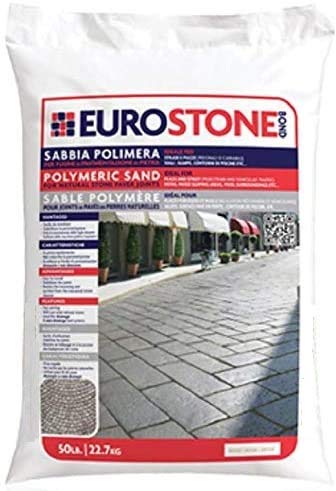
Best for: Natural stone and cobble stone installations where erosion prevention is important. The slate gray color blends with cooler-toned pavements and stone textures.
Why selected: Helps prevent erosion due to wind, rain, and freezing temperatures, contributing to long-lasting joints in challenging climates.
Limitations: May require careful joint cleaning to ensure consistent color and even distribution in irregular stone layouts.
Buying Guide: Key Considerations For Sticky Sand For Pavers
What joint size should you target? Most polymeric sands work best in joints from 1/8 inch to around 4 inches. Check the product’s joint range to match your paver profile and plan for any edge restraints or edging systems.
Is color important? Colors like slate gray, charcoal, camel brown, and titanium gray help pavers blend or pop. Choose a shade that complements your existing patio, driveway, or garden path for a cohesive look.
What is the weather impact? Rain-resistant or “rain safe” technologies help prevent washout after activation. In wet climates, select a product with strong resistance to washout and low shrinkage during curing.
Ease of installation matters. Features like easy pour handles and fine-sand blends can save time during sweeping and watering. Cement-free formulas are common and typically easier to rinse and set without requiring additional grout or edging work.
Durability and flexibility. The best polymeric sands balance rigidity to hold joints and flexibility to handle minor ground movement. Ceramic Flex technology is one example noted in several options for improved performance across temperature swings.
Compatibility with surface materials. Some sands are marketed as suitable for concrete pavers, natural stone, and stone-like surfaces. Confirm that the product supports your specific paver type and joint width for optimal results.
Frequently Asked Questions
- What is polymeric sand and why use it? Answer: It is a cement-free mixture that, when activated with water, hardens to lock pavers in place and prevent weed growth and shifting.
- How do I choose the right color? Answer: Pick a shade that matches or complements your pavers and surrounding landscape to create a cohesive look.
- Can polymeric sand be used on all paver types? Answer: Most are suitable for concrete pavers and some stone surfaces, but verify product compatibility with your specific paver material and joint width.
- What maintenance is required after installation? Answer: Sweep regularly, remove debris, and refresh joints if washout or weed growth appears after several seasons.
- How long does polymeric sand take to set? Answer: Activation happens upon watering; curing and strength develop over the following hours to days, depending on weather conditions.
- Are there safety considerations? Answer: Follow product instructions regarding ventilation, eye protection, and soil drainage around the installation site.