Carpenter bees can cause structural damage by tunneling into wood. The right spray or foam can target these wood-destroying insects, provide quick knockdown, and offer residual protection. This guide highlights five widely used products formulated to kill carpenter bees and other wood-infesting pests, with emphasis on foam expansion, spray precision, and indoor/outdoor efficacy. Each product is reviewed based on its features and practical application to help homeowners choose the most effective solution for their needs.
Summary of chosen products:
| Product | Brand | Type | Key Benefit |
|---|---|---|---|
| BioAdvanced Termite and Carpenter Bee Killer Plus | BioAdvanced | Foam spray | Expands to fill cracks; targets termites and carpenter bees |
| TERRO Ready to Use Indoor/Outdoor Killer Aerosol | Terro | Aerosol spray | Two-way nozzle for broad or precise application; long residual |
| Spectracide Carpenter Bee & Ground-Nesting Yellowjacket Killer Foaming Aerosol | Spectracide | Foam aerosol | Foam expands to reach nest locations |
| Spectracide Terminate Termite And Carpenter Ant Killer | Spectracide | Liquid concentrate with AccuShot | Indoor/outdoor, broad-spectrum control |
| Spectracide Carpenter Bee And Ground-Nesting Yellowjacket Killer Foaming Aerosol 16 Ounce | Spectracide | Foam aerosol | Expands to reach insects in hard-to-reach areas |
BioAdvanced Termite and Carpenter Bee Killer Plus, Foam, 18 oz
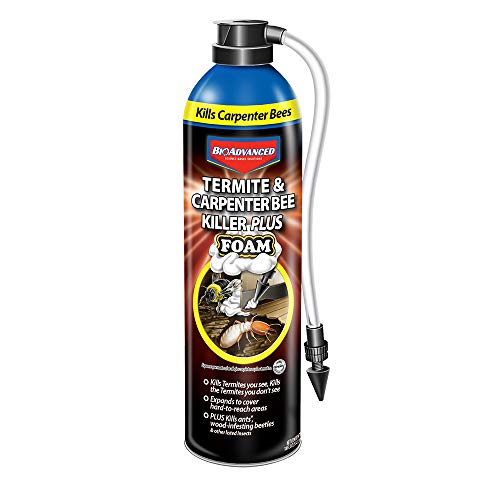
BioAdvanced Termite and Carpenter Bee Killer Plus is a versatile foam that expands at a 30:1 ratio, making it suitable for targeting cracks, crevices, and voids where carpenter bees nest or forage. The product description emphasizes control over termites and other wood-infesting insects, including carpenter bees, ants, and beetles. The foam’s expanding action helps create a gap-filling barrier on wood surfaces, potentially reducing future nesting sites. This dual-action approach can be useful in homes with visible bee activity around entry points or damaged wood. The formulation aims for rapid knockdown with continued residual protection as it dries. Use in accordance with label directions for safest and most effective results.
TERRO Ready to Use Indoor and Outdoor Carpenter Ant, Termite, and Carpenter Bee Killer Aerosol Spray
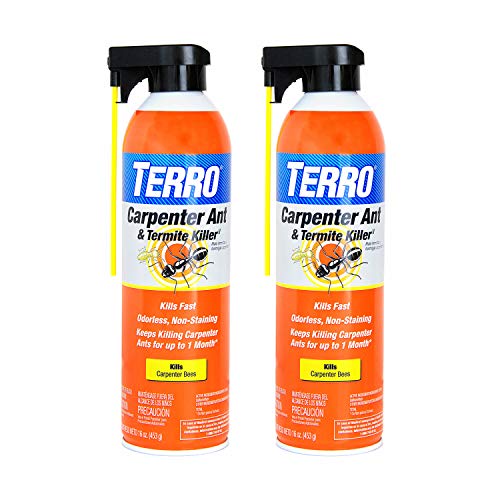
Terro’s ready-to-use aerosol provides broad coverage for both indoor and outdoor settings. It is formulated to kill wood-infesting insects including carpenter bees, termites, and carpenter ants on contact, with a residual effect that can last up to a month. The product’s two-way nozzle allows users to apply broad sprays for open areas or precise shots into cracks and crevices where bees may nest. This versatility makes it a practical option for exterior siding, eaves, and wooden decks or trim. For interior use, ensure proper ventilation and follow all label directions to minimize exposure.
Spectracide Carpenter Bee & Ground-Nesting Yellowjacket Killer Foaming Aerosol (HG-53371) (Pack of 3)

This foaming aerosol targets carpenter bees and ground-nesting yellowjackets. The foam expands to reach insects living in hidden cavities and nesting sites, making it suitable for exterior woodwork and structural wood in attics and sheds. Users can spray into voids, cracks, and crevices where bees and wasps are active, improving chances of contact and subsequent control. The product is designed for quick knockdown with extended protection against future nesting attempts, assuming proper follow-up treatments as advised on the label.
Spectracide Terminate Termite And Carpenter Ant Killer

Spectrum of control is delivered through a liquid concentrate paired with the AccuShot sprayer, designed for precise application and easier mixing. Spectracide Terminate addresses termites, carpenter ants, carpenter bees, and other listed insects, with indoor and outdoor use. It promises up to nine months of control indoors, providing a long-lasting residual on treated surfaces. This makes it a strong option for homeowners dealing with ongoing bee activity in wood framing, window sills, or foundations, especially in areas with higher pest pressure. Proper application is essential to minimize exposure and optimize effectiveness.
Spectracide Carpenter Bee And Ground-Nesting Yellowjacket Killer Foaming Aerosol 16 Ounce

This 16-ounce foaming aerosol from Spectracide emphasizes rapid, on-contact kill with foam that expands to reach nesting sites. The foam format is advantageous for carpenter bee activity in exterior wood, eaves, and deck areas where direct spraying can reach concealed galleries. The product is designed for use in outdoor environments, but always follow safety instructions for outdoor use and wear protective gear when applying near inhabited spaces. Effective for targeting observed bee activity and preventing future nesting, provided it is applied as directed.
Buying Guide: Key Considerations For Carpenter Bee Sprays
Selecting the right spray or foam involves balancing application area, nesting location, safety, and residual control. The following factors help buyers compare products and choose the most suitable option:
- Target range: If you’re dealing with visible carpenter bee activity on exterior wood, foams that expand into cracks and voids are highly effective. For open surfaces or larger exterior areas, aerosol sprays with broad spray patterns work well.
- Expansion and reach: Foaming formulations expand to fill holes and voids, increasing the likelihood of contact with concealed bees. Consider products with a known expansion ratio to ensure adequate coverage.
- Indoor vs outdoor use: Some products are labeled for both indoor and outdoor use, while others are intended for outdoor-only applications. Always follow label directions to minimize risks to occupants and pets.
- Residual protection: Look for products that advertise long-lasting residual control, which can help deter re-nesting in treated areas.
- Safety and handling: Read label instructions for application methods, required PPE, ventilation needs (for indoor uses), and any environmental precautions to protect non-target organisms.
- Application method: Nozzle design (two-way or adjustable spray), AccuShot technology, and foam dispersion can affect ease of use and precision in hard-to-reach spots.
- Cost and coverage: Consider the size of the area to treat and whether a concentrate with a sprayer or a ready-to-use spray is more economical for long-term pest management.
- Compatibility with other control methods: While sprays are effective, integrating non-chemical measures (wood repair, sealing entry points, and removing nests) improves long-term results.
When choosing a product, match the insect target (carpenter bees, termites, carpenter ants) with the product’s stated efficacy. Foam-based products are particularly useful for nesting sites that are difficult to reach with straight sprays, while ready-to-use aerosols offer quick knockdown for exposed areas. Always follow the manufacturer’s instructions, use protective gear as recommended, and avoid applying products near food, pets, or water sources.