Choosing the right soil test kit helps farmers optimize nutrient management, reduce waste, and improve yields. This guide highlights five reliable options that balance accuracy, ease-of-use, and actionable recommendations. Each product offers a distinct approach—from at-home colorimetric tests to professional-grade analyses—so you can pick the tool that best fits your farm size, crop mix, and scheduling needs.
| Product | Brand | Key Strength |
|---|---|---|
| Rapitest Soil Test Kit for Gardens, Vegetables, Flowers and Lawns | Luster Leaf | Capsule-based tests with color comparators; quick at-home results |
| MySoil Soil Test Kit | My Soil | Professional lab-style results with 13 nutrient levels |
| Whitetail Institute Laboratory Soil Test Kit | Whitetail Institute | Includes professional consultation for food plots |
| NewTest Soil Test Kit 4 Parameters | NewTest | 40 tests across pH, N, P, K with detailed instructions |
| Soil pH Paper Test Kit | Dewilde Trading Co | 100 test strips for quick pH range checks |
Rapitest Soil Test Kit: Basic At-Home Analysis

The Rapitest kit from Luster Leaf offers quick, at-home results for soil pH and primary nutrients—nitrogen, phosphorus, and potassium. It uses an easy capsule system with patented color comparators to deliver results in minutes. Each kit includes components sufficient for about 20 tests, with five tests allocated to each parameter. This makes it a practical option for small farms or gardeners testing multiple plots across a season. The LED-equipped test process accelerates readings and simplifies interpretation for non-specialists.
MySoil Soil Test Kit: Lab-Grade Insights On Your Land
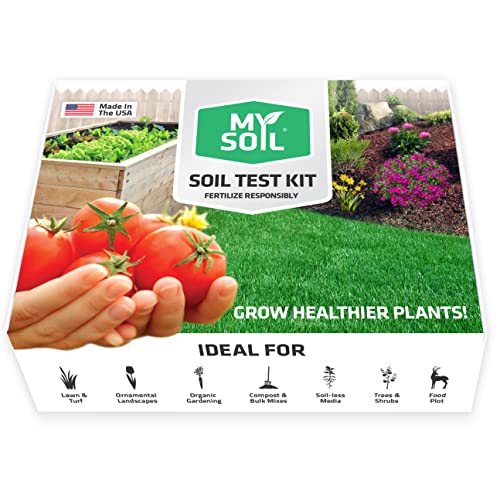
MySoil emphasizes comprehensive nutrient analysis with professional-grade accuracy. Unlike basic pH strips, this kit delivers a mail-in lab analysis of 13 plant-available nutrients, including pH. Results typically arrive within about 6–8 days. It covers diverse growing scenarios—from lawns and turf to vegetables, ornamentals, and houseplants—providing tailored recommendations based on the soil’s unique composition. This option suits farmers seeking actionable, science-backed guidance rather than quick, approximate readings.
Whitetail Institute Laboratory Soil Test Kit
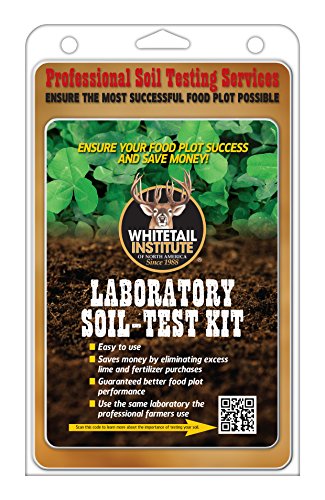
Whitetail Institute’s kit is designed for food plots and wildlife habitats, with a professional consultation included. It aims to optimize forage quality while reducing fertilizer and lime expenses. The kit emphasizes reliable sampling and interpretation, helping farmers achieve consistent plot results within a week of receiving samples. While targeted at deer food plots, the test parameters and guidance translate well to broader agricultural uses where precise nutrient management supports plant performance and cost efficiency.
NewTest Soil Test Kit: Four-Parameter Professional Analysis

NewTest provides a professional-grade kit intended for lawn, garden, and crop soils. It includes 40 tests—10 for each parameter: pH, nitrogen, phosphorus, and potassium. The company emphasizes accuracy over convenience, positioning the kit as a strong option when precise element levels are essential for crop planning and soil remediation. Clear step-by-step instructions help beginners perform the tests with confidence, while the broader data set supports robust farm-level nutrient management strategies.
Soil pH Paper Test Kit: Quick pH Readings

Dewilde Trading Co’s pH paper kit offers a broad reading range (pH 3.5–9) with 100 test strips per package. The process is straightforward: mix soil with water, wait, dip a strip, and compare to a color chart. This kit is a cost-effective solution for regular monitoring across larger plots or multiple fields. While not a full nutrient profile, it provides essential pH context that informs lime or sulfur applications to optimize nutrient availability for crops.
AiGerdinn 2-in-1 Soil Tester: pH And Moisture

The AiGerdinn kit combines soil moisture and pH testing in a dual-dial meter. It is designed for ease of use without batteries and is suitable for beginners and experienced growers alike. The dual-display design enables simultaneous readings, helping farmers gauge irrigation needs and nutrient availability in a single glance. The sturdy probe and two metal sensors aim to offer durable, repeatable results as soils vary by field and season.
Buying Guide: Key Purchase Considerations For Farmers
- Purpose and scope: Define whether you need quick pH and nutrient checks, comprehensive lab-grade analysis, or ongoing monitoring across many plots. Choose a kit that matches your crop types and seasonal testing cadence.
- Accuracy vs. speed: At-home colorimetric kits provide fast results but may be less precise than professional lab analyses. For high-value crops or large acreages, combine quick tests with periodic lab confirmation.
- Sample handling: Correct sampling depth and representativeness are crucial. Follow instructions about the number of test spots, mixing, and timing to reduce variability.
- Testing parameters: Ensure the kit covers pH and key nutrients (N, P, K) or provides actionable guidance for nutrient management, depending on your needs.
- Turnaround time: If you need rapid decisions, at-home kits offer results in minutes. If you require detailed nutrient profiles, consider mail-in labs with return times around several days to a week.
- Cost per test: Compare per-test costs, including consumables and potential repeat testing, to manage input budgets effectively.
- Support and guidance: Some kits include professional consultations or detailed recommendations. Access to agronomic guidance can translate test data into practical field actions.
- Scalability: For multi-field farms, consider kits with large test counts or straightforward mail-in options to maintain consistency across plots.
Additional Considerations
Farmers should view soil testing as an integrated practice. Combine soil test results with crop-specific nutrient requirements, irrigation schedules, and soil health practices like organic matter management. Periodic re-testing helps track the impact of lime applications, fertilizer amendments, and cover cropping on soil fertility over time. Remember to store test materials properly and follow expiration dates to maintain accuracy.