Answering the question, the best soil test for lawn care helps you understand pH, nutrients, and moisture so you can tailor watering, lime, and fertilizer. This guide focuses on practical kits and meters that suit American lawns, from DIY home testers to more detailed analyses. Whether you’re a weekend gardener or maintaining a large turf, these picks help you optimize growth, color, and resilience. The top five products below are selected for clarity, reliability, and relevance to lawn care needs.
Summary table of chosen products:
| Product | Best For | Notes |
|---|---|---|
| SONKIR Soil pH Meter, MS02 | DIY quick checks | 3-in-1 tester for moisture, pH, and light; no battery |
| MySoil Soil Test Kit | Professional nutrient insights | Laboratory-style results with tailored recommendations |
| YAMRON 4-in-1 Soil Tester | All-in-one digital reads | Moisture, pH, temperature, and sunlight |
| Rapitest Soil Test Kit | Budget-friendly home testing | Colorimetric pH and nutrients |
| AKSBTEC 4-in-1 Soil Test Kit | Long-term lawn monitoring | 10 tests per parameter, 40 total |
SONKIR Soil pH Meter, 3-in-1 Tester for Lawn and Garden

The SONKIR MS02 is a compact 3-in-1 tool that measures soil moisture, pH value, and sunlight. It requires no batteries and provides quick readouts after a few minutes in the soil. Best for: homeowners who want immediate feedback during ongoing yard maintenance and small to medium lawns. Limitation: extremely dry soil can stall readings until moisture is added. Use when you need rapid, on-site guidance for watering and light exposure.
MySoil Soil Test Kit

MySoil provides a professional-grade soil analysis with 13 plant-available nutrients, including pH. Results are delivered by mail in 6–8 days. Best for: lawn and garden owners seeking lab-like accuracy and actionable recommendations tailored to soil type and plant needs. Better for those who want a formal lab-style report. Limitation: longer turnaround time and a higher price point than quick at-home tests.
YAMRON 4-in-1 Digital Soil Tester

The YAMRON device combines moisture, pH, temperature, and sunlight readings on a backlit LCD. It uses a 4-battery setup (not included) and offers quick, digital readouts. Best for: gardeners who want a single device to monitor multiple factors and readouts in both day and night. Limitation: requires batteries and may require calibration tweaks for precise soil chemistry readings.
Rapitest Soil Test Kit
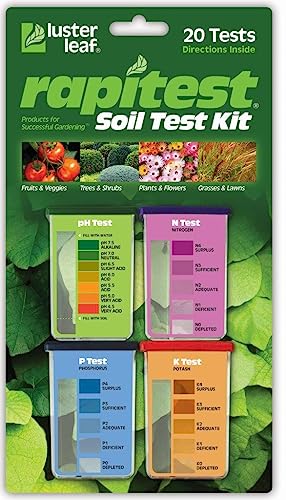
Rapitest uses color comparators with a capsule system to measure pH and essential nutrients. Best for: budget-conscious users who prefer a straightforward, home-based testing workflow. Limitation: color interpretation can be subjective, potentially affecting precision across multiple test spots.
AKSBTEC 4-in-1 Soil Test Kit

AKSBTEC offers a complete 4-in-1 test (pH, Nitrogen, Phosphorus, Potassium) with 40 total tests (10 per element). Best for: lawn and garden enthusiasts who want repeated, long-term monitoring across multiple spots. Limitation: color-matching and interpretation may require practice to achieve consistent results.
Buying Guide: Key Considerations For Choosing A Lawn Soil Test
- What level of detail do you need? For quick on-site checks, meters like SONKIR or YAMRON provide fast feedback. For lawn-wide plans, MySoil or NewTest-style kits offer deeper analysis.
- How important is turnaround time? DIY meters give immediate results; professional lab analysis from MySoil takes several days but yields detailed nutrient profiles.
- What budget is acceptable? Rapitest and similar colorimetric kits are generally budget-friendly, while professional kits or multi-parameter meters can be pricier but offer richer data.
- How many test areas will you cover? Kits with 40 tests or more suit larger lawns or multiple beds, while smaller setups fit a single area or container garden.
- Do you prefer at-home testing or mailed-in analysis? At-home meters are convenient, but mail-in labs provide more precise nutrient measurements and tailored recommendations.
- Are you testing for variables beyond pH? If moisture, temperature, and sunlight matter, consider 4-in-1 options like YAMRON or AKSBTEC for a fuller picture.
- Ease of use and interpretation: Look for clear instructions and readable results. Backlit displays help in low light; color charts require minimal interpretation for beginners.
Practical Tips For Using A Lawn Soil Test
- Test in multiple spots across your lawn to get a representative sample.
- Follow the kit’s instructions for soil preparation and mixing with water or reagents.
- Document readings and compare them to recommended ranges for your grass type and local climate.
- Plan nutrient applications based on both pH and nutrient levels to avoid over-fertilization.
- Re-test after major changes, such as lime application or new sod installation, to confirm adjustments are effective.
FAQ
- What is the best test for a quick lawn check? A 3-in-1 or 4-in-1 meter provides rapid moisture, pH, and light or light-related data, helping you decide when to water or fertilize.
- How many tests should I run for a large lawn? Consider kits offering 20–40 tests or a lab-based option to cover different zones and soil types.
- Is a professional lab worth it for home lawns? Yes, if you want precise nutrient breakdowns and tailored recommendations, especially for challenging soils.
- Can I rely on color tests for accuracy? Colorimetric tests are affordable but can be less precise; use them for trend guidance and supplement with digital or lab analyses.
- Do I need to test pH only? pH affects nutrient availability; combining pH data with nutrient levels provides a fuller lawn health picture.
- How often should I test lawn soil? At minimum, test when starting a new lawn, after major amendments, and at least once per growing season to monitor changes.