If you want healthier houseplants, you need a reliable soil moisture meter that tells you when to water deep in the root zone. This guide highlights five top meters that suit different plant lovers—from beginners to meticulous growers. Each product is assessed for accuracy, ease of use, and practical limits, so you can pick the best match for your setup, whether you keep a few succulents or an indoor jungle.
| Product | ||
|---|---|---|
| XLUX Soil Moisture Meter (2015) | Beginners and steady hobbyists | Longstanding reliability with no batteries and simple, clear readings |
| XLUX Long Probe Deep Use | Deeper pots and larger plants | Longer probe for root-zone readings and quick moisture checks |
| YAMRON 4-in-1 | All-in-one data for multiple care needs | Moisture, pH, temperature, and light in one device |
| Censinda Soil Moisture Meter | Simple, battery-free measuring | No battery required and direct soil reading |
| Antonki 2 Pack | Multiple pots and quick comparisons | Two meters for side-by-side readings and efficiency |
XLUX Soil Moisture Meter (2015) — Durable 304 Stainless Steel Probe
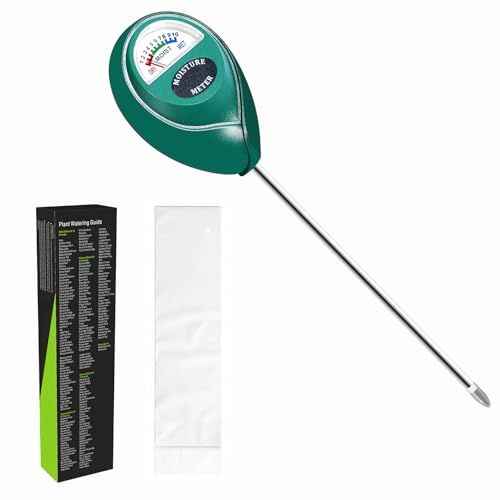
Best for beginners seeking a proven, battery-free reading. This meter uses a high-sensitivity probe to reach the root zone, delivering real-time moisture information without charging. The 10-scale, color-coded dial makes it easy to judge when to water. It has built household trust since 2015, with thousands of positive verifications and a track record of consistency for indoor plants and outdoor containers.
Who it’s best for: new plant owners who want a simple, reliable tool and a straightforward reading at a glance. Why selected: long-term reliability and a clear, surface-to-root moisture view help prevent overwatering.
Limitations: best used within soil where the probe can reach the root zone; avoid leaving in soil for extended periods to prevent wear on the metallic tip.
XLUX Long Probe Deep Use Soil Moisture Meter

Best for deeper pots and larger containers. This model features a probe that extends 5.5 inches (14 cm) to reach the bottom of deeper soil. The large dial is easy to read, with the three zones and ten scales, ensuring quick, actionable readings. Immediate readings help you decide whether to water right away or postpone.
Who it’s best for: plant owners with tall pots, deep beds, or robust houseplants. Why selected: the extended probe provides root-zone insights essential for deeper-rooted species.
Caution: do not leave the meter in soil for more than five minutes to protect the metal tip from corrosion over time.
YAMRON 4-in-1 Soil Moisture Meter

Best for growers who want multi-parameter data in one device. This 4-in-1 meter measures soil moisture, pH, temperature, and sunlight. Its large backlit LCD display is easy to read in day or night, and it uses conventional batteries. Quick, digital readings help you tailor watering, soil acidity, and light exposure for healthier plants.
Who it’s best for: care-conscious gardeners managing diverse plant families. Why selected: consolidates several key metrics into one unit, offering a fuller plant-care picture.
Limitation: requires battery changes, and the latest probe technology can still be sensitive to soil salinity and material build quality.
Censinda Soil Moisture Meter
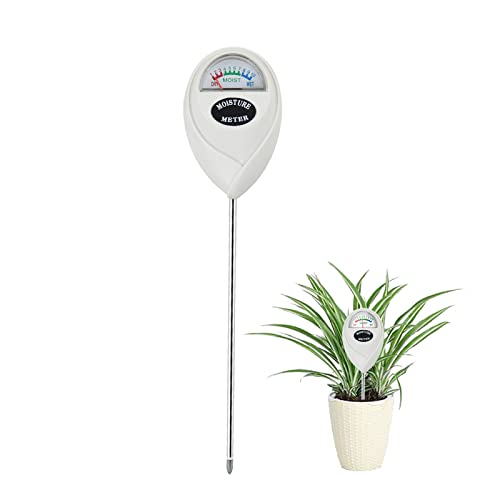
Best for budget-minded buyers who still want reliable root-zone readings. This battery-free meter quickly indicates whether soil is dry, moist, or wet, helping prevent overwatering. The simple probe reaches near the plant’s roots for a dependable read in a variety of indoor and outdoor settings.
Who it’s best for: first-time plant owners or those with many pots in need of a cheap, functional tool. Why selected: battery-free operation reduces maintenance, and the color-facing dial simplifies interpretation.
Caution: performance can vary with very sandy or very dense soils; ensure firm soil contact for accurate readings.
Antonki 2 Pack Soil Moisture Meter

Best for simultaneous checks across multiple pots and quick watering decisions. This two-pack setup lets you compare readings side by side, which is especially helpful for nurturing a mix of pot sizes and plant types. The meter features a color-coded dial with ten scales, making moisture levels easy to read at a glance.
Who it’s best for: households with several houseplants needing consistent care. Why selected: two meters enable quick, parallel assessments, improving watering consistency.
Limitation: some users report sensitivity to soil texture; ensure consistent insertion depth for comparable readings.
Buying Guide: Key Considerations When Choosing a Soil Moisture Meter
- Soil depth and pot size: For deep pots, choose a meter with a longer probe; for small pots, standard probes suffice.
- Battery vs. battery-free: Battery-free meters are lower maintenance but may have limited feature sets; digital meters add pH or light data but require battery management.
- Root-zone accuracy: Look for meters that explicitly measure in the root zone rather than just topsoil.
- Readability: Large, color-coded dials reduce guesswork for quick watering decisions.
- Durability: Stainless steel probes and robust housings extend life in regular watering cycles and outdoor use.
- Multi-function options: If you care about more than moisture (pH, temperature, light), a 4-in-1 model can be valuable—but verify measurement reliability for each function.
- Maintenance: Some meters advise not to exceed a certain query time or require wiping the probe between uses to maintain accuracy.
- Numbers and scales: Ten-level scales with Dry/Moist/Wet zones are common; ensure you can interpret zones quickly in your plant routine.
Frequently Asked Questions
- How do I know if my plant needs water using a moisture meter? The meter will show whether the soil is Dry, Moist, or Wet. For most houseplants, wait until the soil reaches Moist before watering deeply.
- Can I reuse a meter across multiple pots? Yes, especially with a two-pack or two meters; just ensure you clean or wipe the probe to avoid cross-contamination of readings.
- Do battery-operated meters require calibration? Some do not require batteries for reading but may need occasional battery replacement for digital features.
- Is a longer probe always better? A longer probe helps reach the root zone in deeper pots, but the immediate reading is most accurate near the root zone regardless of pot depth if the probe reaches it.
- Are battery-free meters accurate for all soil types? Most are adequate for typical home potting mixes; very sandy or very dense soils may affect readings, so interpret results with soil texture in mind.
- How often should I check moisture with a meter? For dynamic plant schedules, check at least once a week or after potting changes; adjust frequency during seasonal growth or dormancy.