Answering the question: which soil mix is best for indoor plants? This guide highlights five top Amazon options designed to balance moisture, drainage, and nutrients for houseplants, herbs, and starter plants. These picks suit different buyers—from beginners seeking easy watering control to enthusiasts needing long-lasting nourishment. The following table summarizes the key picks and who they’re best for.
| Product | Best For | Why This Pick |
|---|---|---|
| Miracle-Gro Organic Indoor Potting Mix | New plant owners; starter plantings | Organic blend with moisture regulation and ready nutrients for immediate growth. |
| Miracle-Gro Houseplant Potting Mix | Houseplants prone to gnats; low-maintenance indoor containers | Fertilized mix designed to reduce fungus gnats and provide up to 6 months of feeding. |
| Miracle-Gro Indoor Potting Mix (2-Pack) | Versatile indoor gardeners; larger setups | Wide plant compatibility with 6-month feeding; peat-free alternatives available in the line. |
| Back to the Roots 100% Organic Indoor Potting Mix (6 Quart) | Environmentally conscious buyers; root development focus | Root-boosting mycorrhizae and moisture-retaining yucca extract; peat-free. |
| Rosy Soil Houseplant Potting Soil | Natural, peat-free options with living soil | Biochar, worm castings and mycorrhizae for thriving roots and healthy foliage. |
Miracle-Gro Organic Indoor Potting Mix

Best for beginners who want simple moisture control with organic ingredients. This mix uses sphagnum peat moss, coir, and a quick-start natural fertilizer to support a variety of indoor container plants, including herbs and starter seedlings. It is especially suitable for buyers who want an organic option that minimizes overwatering and underwatering risks. Caution: peat-based blends can retain moisture longer in some environments, so adjust watering accordingly.
Miracle-Gro Houseplant Potting Mix

Best for houseplants that typically struggle with gnats or frequent feeding. This mix includes fertilizer for up to six months and avoids compost or bark, which can shelter fungus gnats. Choose this if your indoor plants need steady nutrition with fewer pest-friendly components. Limitation: while formulated to reduce gnats, some environments may still see pests if watering practices are poor.
Miracle-Gro Indoor Potting Mix (6 Quart) 2-Pack
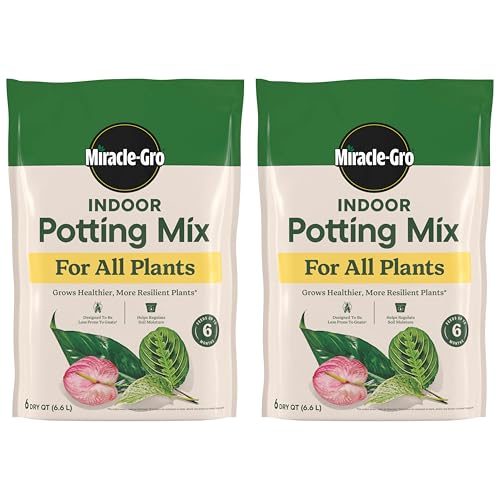
Best for versatile setups requiring longer feeding cycles. This 6-quart mix blends sphagnum peat moss, coconut coir, and perlite to balance water retention and drainage for many indoor plants, including herbs and flowering species. It’s a solid option for families or hobbyists cultivating multiple plant varieties. Caution: contains peat and may impact moisture dynamics in very dry homes; monitor watering.
Back to the Roots 100% Organic Indoor Potting Mix (12 Quart)

Best for eco-conscious buyers seeking root-focused growth. This peat-free mix includes organic yucca extract for moisture retention and living mycorrhizae to aid nutrient uptake. It supports healthy root systems while reducing environmental impact. Limitation: being peat-free, it may require slightly more frequent watering in very dry environments to maintain optimal moisture levels.
Back to the Roots 100% Organic Indoor Potting Mix (6 Quart)
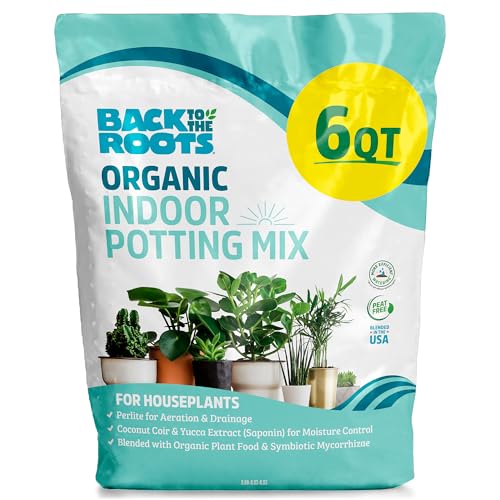
Best for compact or starter plant setups needing reliable moisture management with root-friendly ingredients. The 6-quart size provides a practical option for smaller apartments or one-to-two plant collections. Includes yucca extract and mycorrhizae for steady growth. Caution: peat-free blends can behave differently from peat-based mixes; adjust watering based on plant needs and pot size.
Rosy Soil Houseplant Potting Soil

Best for gardeners seeking a peat-free option with living soil benefits. This mix uses biochar, worm castings, and mycorrhizae to improve nutrient and water uptake while supporting healthy root ecosystems. It drains well to prevent root rot and is well-suited for tropical indoor plants like monstera and pothos. Limitation: biochar content can alter pH slightly; monitor plant response and adjust if needed.
Buying Guide: Soil Mix Essentials For Indoor Plants
What should you consider when choosing an indoor potting mix?
- Moisture management: Do you need faster drainage or better water retention? Look for perlite, coco coir, or yucca extract for balance.
- Nutrition: Do you prefer pre-fertilized blends with up to six months of feeding, or a neutral base to mix in your own amendments?
- Peat versus peat-free: Peat-based mixes retain moisture but raise environmental concerns; peat-free blends appeal to eco-conscious buyers and often include biochar or worm castings.
- Plant type: Houseplants, herbs, seedlings, and flowering plants may have different soil texture needs. A versatile blend works for many, but specialist mixes exist for orchids, succulents, or cacti.
- Pest considerations: Some mixes are formulated to minimize fungus gnats by avoiding bark and compost; this can help if you’ve had gnat issues.
- Container size and potting frequency: Larger collections or frequent repotting may benefit from larger bags or 6- to 12-quart options.
Common Comparison Points
- Feeding duration: Up to 6 months versus shorter-term feeding.
- Fungal gnat resistance: Presence or absence of compost and bark components.
- Root development: Mycorrhizae and other living soil elements versus standard blends.
Frequently Asked Questions
- What soil mix is best for beginners? A versatile, peat-free mix with balanced drainage and nutrients, such as Miracle-Gro Indoor Potting Mix or Back to the Roots peat-free options, is suitable for many first-time indoor gardeners.
- Do I need to fertilize my indoor potting mix? Some mixes include fertilizer for up to 6 months; others are feeder-free and require your own amendments. Follow product directions for timing.
- How do I know if my plant needs more drainage? If roots show signs of rot or soil stays soggy, switch to a mix with more drainage components like perlite or coarse bark-free blends.
- Are peat-free mixes better for the environment? In many cases, yes. Peat-free blends reduce environmental impact and often include biochar or worm castings to aid nutrient uptake.
- Can I use outdoor potting mix indoors? Some outdoor mixes work for containers, but indoor blends are formulated for moisture control and houseplant needs. Avoid using heavy outdoor mixes that retain too much moisture or contain weed seeds.
- How often should I repot with a new mix? Repotting frequency depends on plant growth and pot size. A fresh mix every 1–2 years supports healthy growth and reduces compaction.