If your goal is to shield garden beds from frost, snow, and cold winds, the right plant covers can extend your growing season and safeguard tender greenery. This guide highlights five practical options tailored for American yards, from lightweight breathable fabrics to heavy-duty blankets. Each choice is evaluated for who it’s best for, plus a clear note on limitations to help you decide quickly.
| Product | Best For | Size / Coverage | Key Benefit |
|---|---|---|---|
| MAQIHAN Plant Cover | Small to mid-size garden beds | 6.5 ft x 13 ft | Breathable 1 oz non-woven fabric with versatile use |
| FARAER 10 ft x 33 ft | Long rows and larger plantings | 10 ft x 33 ft | Thin yet durable, good light transmission |
| AlpineReach 10 x 30 ft | Seedlings to established plants | 10 ft x 30 ft | All-season protection with breathable insulation |
| HEKIWAY 95″ x 95″ | Large shrubs and small trees | 95″ x 95″ | Zipper access and drawstring for secure fit |
| SUNPRO 10 ft x 30 ft | Raised beds and expansive patches | 10 ft x 30 ft | Balanced warmth and light transmission |
MAQIHAN Plant Cover – 6.5 Ft X 13 Ft
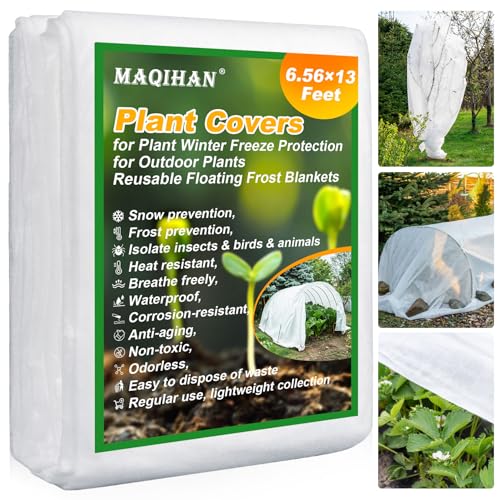
Best for small to mid-size garden beds that need frost protection without blocking sunlight. The MAQIHAN cover uses premium 1 oz/sq non-woven fabric, offering insulation while maintaining breathability. It can protect against frost, snow, insects, and animals when used with hoops or frames. The material allows sunlight penetration to support ongoing growth under cover.
Who it’s for: home gardeners with a few plants or small rows who want a customizable fit by cutting the blanket to size. Why selected: its lightweight construction and triple-duty versatility (frost, snow, sun shield) make it a practical, reusable option. Caution: not as heavy-duty as larger, 2.8 oz variants for extreme winter conditions.
FARAER Plant Covers Freeze Protection – 10ft×33ft

Best for long rows and larger plantings that need consistent heat retention and wind protection. This 10×33 ft floating row cover uses a 1.06 oz polypropylene fabric designed to transmit light while retaining warmth, extending the growing season for herbs, perennials, small fruits, and sheltered transplants. It’s easy to secure with landscape pins and tolerates overhead irrigation.
Who it’s for: gardeners with extended beds seeking a barrier against frost and wind. Why selected: strong coverage and reusable design make it a solid all-season option. Caution: may require multiple supports for very windy locations to maintain a smooth surface.
AlpineReach Plant Covers Frost & Sun Protection – 10×30 ft

All-season protection is the focus here. AlpineReach’s 10×30 ft cover shields against frost, snow, and harsh winds while promoting healthy growth with a breathable design. It creates a microclimate that keeps plants warmer and supports germination, making it suitable for delicate seedlings and established specimens alike.
Who it’s for: growers wanting a single solution for winter protection and spring vigor. Why selected: its balance of insulation and permeability supports ongoing photosynthesis while safeguarding against temperature extremes. Caution: the fabric is designed for wide coverage; folding for narrow rows may leave gaps if not carefully fitted.
HEKIWAY Plant Covers – 2 Pack 95″ X 95″
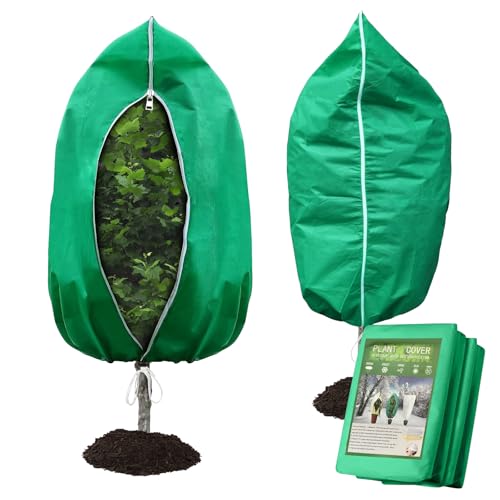
Best for protecting larger shrubs and small trees during heavy snows. Each 95″ x 95″ cover is constructed from thick 2.8 oz/yd² fabric, offering robust frost and wind resistance. A side zipper enables health checks without removing the entire cover, and the bottom drawstring provides a snug fit against gusts.
Who it’s for: homeowners with medium-to-large plants that require frequent access and durable protection. Why selected: the zipper access and drawcord design reduce the hassle of regular inspections in winter. Caution: bulkier fabric may require more storage space when not in use.
SUNPRO Plant Covers Freeze Protection – 10 ft x 30 ft
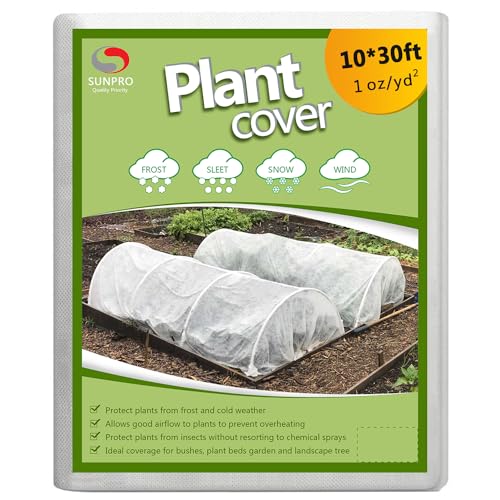
Best for expansive garden patches and raised beds that need a balance of warmth and light. SUNPRO’s 1.0 oz/yd² fabric provides about 24°F to 28°F freeze protection while allowing 70–85% light transmission. It’s lightweight, breathable, and easily cut to fit irregular shapes, with broad application for seasonal germination and pest protection.
Who it’s for: gardeners seeking an affordable, scalable option for larger spaces. Why selected: it delivers reliable protection without sacrificing photosynthesis. Caution: for very heavy snow, a thicker option might be more durable in extreme conditions.
Buying Guide: Snow Covers For Plants — What to Consider
Material and weight matter. Lighter fabrics (around 0.9–1.0 oz/yd²) transmit more light but offer less insulation, while heavier options (2.8 oz/yd²) provide stronger frost protection at the cost of some breathability. Consider your winter severity and plant types when selecting fabric weight.
Size and coverage influence protection. Choose a cover that comfortably drapes over the furthest extent of your plants without stressing the fabric. For long rows, choose elongated widths (10 ft or more) to minimize seams and gaps.
Breathability and light transmission. A balance of warmth and light is crucial. Breathing fabric prevents mold and helps plants continue photosynthesis during cover use. Look for fabrics that allow 70–85% light transmission where possible.
Ease of use. Zippers, drawstrings, or hoops systems can simplify installation and removal. Pop-up designs are convenient for quick deployments but may require careful storage.
Reuse and durability. Reusable covers save money and reduce waste. Check whether the fabric can withstand repeated winters and how easily it folds for storage.
FAQ
- What is the best all-around snow cover size? A size around 10 ft x 30 ft provides broad coverage for raised beds and large plantings, with options to trim to fit narrower rows.
- Can I use these covers for late fall or early spring? Yes. Many floating row covers extend the growing season by protecting against early frosts and preserving warmth for germination.
- Do these covers block sunlight? Most breathable fabrics transmit a majority of light (often 70–85%), which supports growth while protecting from frost.
- Should I secure covers with stakes or hoops? Yes. Stakes or hoops prevent wind from lifting the fabric and help maintain a snug fit.
- Is heavier fabric always better for cold climates? Heavier fabric offers stronger frost protection but may reduce light transmission and airflow. Choose based on climate and plant tolerance.
- When should I remove the cover? Remove covers during warm daytime cycles to prevent overheating, and re-cover at night if frost risk reappears.