Shade netting helps regulate sun exposure, airflow, and moisture for plants, livestock areas, and outdoor spaces. This guide highlights five top-rated options and explains how to choose the right shade rate, material, and installation features for American gardens and greenhouses. Each selection prioritizes UV resistance, durability, and easy setup to support healthy plant growth while protecting crops, flowers, and pets.
| Product | Brand | Shade Level | Size | Use |
|---|---|---|---|---|
| Shade Cloth – Garden Shade Mesh Netting | ZOZIJIU | 70%–90% | 6×3 ft | Greenhouse, pergola, garden |
| Cool Area 55% Shade Cloth | Cool Area | 55% | 6.5×10 ft | Garden, greenhouse |
| Garden Barrier Netting 10×33 ft | FARAER | 30% | 10×33 ft | Vegetables, fruits, flowers |
| POYEE 40% Shade Cloth | POYEE | 40% | 10×20 ft | Patio, greenhouse, coop |
| winemana 70% Shade Cloth | winemana | 70% | 6.6×16 ft | Greenhouse, garden |
ZOZIJIU Shade Cloth Assessment
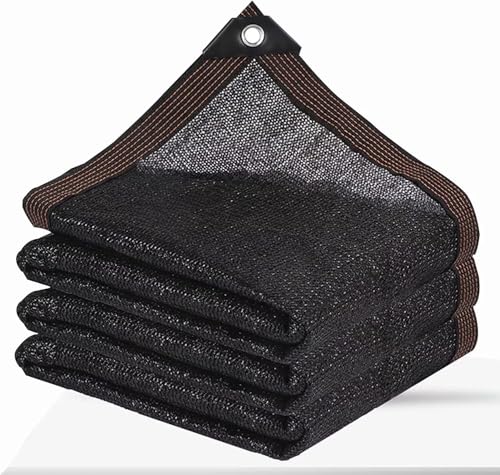
ZOZIJIU’s shade cloth provides UV protection and airflow through a high-density polyethylene mesh. It supports outdoor use in greenhouses, hoop structures, and chicken coops, while six-wire stitching and reinforced corners enhance durability. Grommets on each side, spaced about every 5 feet, enable straightforward hanging and adjustable shading. This option helps reduce glare and heat while allowing water and air to pass, benefiting plants and people in sun-exposed spaces.
Cool Area 55% Shade Cloth Overview

Cool Area shade cloth uses durable HDPE and offers a 55% sunblock rating with emphasis on longevity. The material is designed to resist high temperatures and tearing while maintaining air permeability, allowing water passage for irrigation and photosynthesis. Its glossy, odorless construction prioritizes safety and ease of installation, making it suitable for greenhouses, gardens, and outdoor living areas.
FARAER Garden Barrier Netting Essentials

FARAER offers an extra-fine mesh with a 0.67 mm x 1 mm aperture, designed to protect vegetables, fruits, and flowers from birds, insects, and small animals. The 30% shade rating provides relief from intense sun while maintaining air and light passage. It is versatile for pastures, orchards, indoor use, and window protection, with mesh kept taut for improved coverage and durability during seasonal changes.
POYEE 40% Shade Cloth Performance
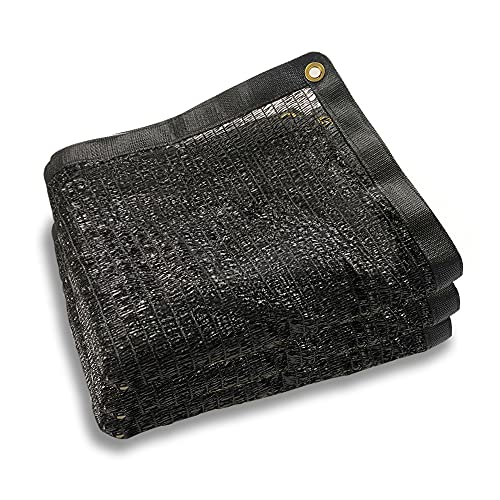
POYEE’s 40% shade cloth emphasizes moderate shading with a breathable HDPE fabric that supports airflow and moisture passage. It is designed for gardens, greenhouses, patios, and animal shelters, offering durability through UV resistance and a robust lock-stitch technique along reinforced corners. Grommets along the reinforced edges facilitate easy hanging in larger setups or portable shade solutions.
winemana 70% Shade Cloth 6.6×16 ft
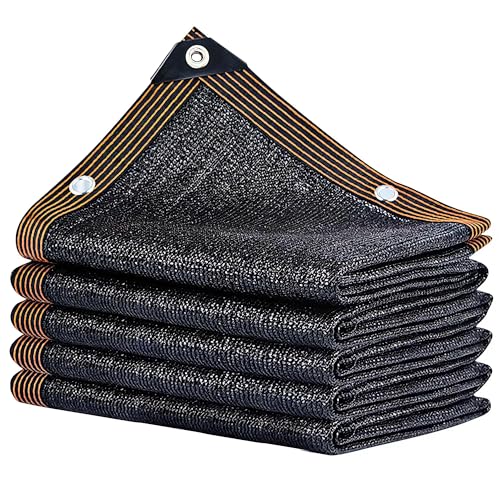
winemana’s 70% shade cloth provides substantial sun and heat reduction while retaining airflow. The fabrics are built from high-density polyethylene for durability and flexibility, with a taped edge and reinforced corners to minimize unraveling. The product is suitable for greenhouses, patios, gardens, chicken coops, and kennels—offering dependable shade with lasting performance under outdoor conditions.
winemana 70% Shade Cloth – 10×20 ft

This larger 70% shade cloth from winemana mirrors its smaller counterpart with a durable HDPE construction, 70% sun block, and a taped edge that improves durability. It is designed for extended outdoor use, including greenhouses, hoop structures, and kennels, with reinforced corners to prevent tearing during installation and wind exposure. The balance of shade and airflow supports plant health and outdoor comfort.
Buying Guide
- Shade level and plant needs: Choose 30–70% depending on sun intensity and plant type. Higher percentages reduce heat more but still allow light for photosynthesis.
- Material and durability: Look for HDPE or similar UV-resistant polymers. Durable edges, reinforced corners, and grommets improve longevity in outdoor setups.
- Installation and airflow: Grommets and easy hanging systems simplify setup. Ensure the fabric is breathable to prevent heat buildup while aiding irrigation.
- Size and coverage: Measure the area to cover and consider modular options for long rows, greenhouses, or irregular shapes. Larger sheets can be cut with minimal fraying if designed for outdoor use.
- Multi-use versatility: Sheltering plants, animals, patios, and furniture increases value. Consider mesh density based on needs like insect protection or dust exclusion.
- Maintenance: Check for washability and whether the fabric resists fading or fraying under prolonged sun exposure. Easy cleaning helps maintain transparency and airflow.
- Environmental considerations: If birds or pests are a concern, opt for finer meshes to deter intrusion while allowing adequate airflow and irrigation.