The best shade net for a vegetable garden balances effective sun protection with airflow, sturdiness, and easy installation. This guide highlights five top options suited for different gardeners—from raised beds to greenhouses—so you can pick the right shade cloth based on your plants, climate, and setup. Each product is evaluated for who it’s best for, plus strengths and limitations to help you compare quickly.
| Product | Shade Rate | Best For | Notes |
|---|---|---|---|
| TREEVEX 55% Shade Cloth | 55% | General vegetable plots and greenhouses | HDPE, durable, easy to cut |
| QLOFEI Shade Cloth | 40-50% | Moderate sun areas and flexible hanging | Grommets on edges, breathable |
| LOVE STORY 55% Shade Cloth | 55% | Moderate sun gardens and greenhouses | HDPE, reinforced edges |
All five options below emphasize durable construction, good airflow, and clear guidance on suitability. Use the buying guide to decide between a higher shade rate for hot climates versus more airflow for temperate regions.
TREEVEX 55% Shade Cloth for Garden

Best for: Home gardeners with raised beds or small greenhouses needing reliable UV protection and temperature regulation. The 6.5 x 10 ft size is easy to cut to fit irregular beds or frames. It reduces harsh UV exposure by up to 55% while preserving daylight for plant growth. This mesh is designed to be long-lasting and tear-resistant thanks to high-density polyethylene (HDPE) construction.
Why selected: It provides substantial shade without darkening the environment excessively, helping plants stay healthy in peak sun. The knitted HDPE fabric improves airflow, which helps keep roots cooler and reduces the need for frequent watering.
Caution: Cutting edges may require careful handling to avoid burrs; plan for a shade panel that matches your bed dimensions to minimize waste.
QLOFEI Shade Cloth for Garden Plants

Best for: Gardeners needing flexible installation with ready-to-hang features. The cloth offers 40-50% shade and blocks intense sun while allowing airflow, making it suitable for outdoor beds, greenhouses, or kennels. Reinforced corners and edge grommets simplify mounting on hoop structures or fences.
Why selected: Its combination of moderate shade and reinforced edging makes it a reliable, do-it-yourself option for quickly creating shaded zones around vegetables and flowers.
Caution: Shade accuracy varies with wind and placement; heavy wind may require extra tie-downs to prevent flapping.
LOVE STORY 55% Shade Cloth

Best for: Gardeners seeking balanced shade for a mid-summer garden in temperate regions. The 6×12 ft size is well-suited for row covers over multiple beds or larger greenhouse sections.
Why selected: It provides a reliable 55% shade with HDPE material and reinforced edges to resist tearing. The cuttable design lets you tailor the cloth to irregular shapes and bed layouts.
Caution: Like all fabric-based shading, expect slight edge-to-edge variation in shade density across wide spans.
KAAOGITY 55% Sunblock Shade Cloth

Best for: Gardeners who want a dense shade solution with good sun filtration and robust edge construction. The 6.5 x 10 ft footprint makes it a strong fit for rectangular beds or greenhouse sections.
Why selected: It blocks up to 55% of sunlight, helping moderate temperatures and reduce water needs, while the knitted HDPE construction resists tearing. The material supports reliable airflow for plant health.
Caution: Quick-drying environments may cause some shift in shade density over very wide areas; adjust by using multiple panels if necessary.
Sukh Shade Cloth for Garden

Best for: Gardeners seeking high shade levels with strong wind and wear resistance for outdoor use across seasons, including cooler winter protection under windy conditions. The 70% rate is suitable for very sunny climates.
Why selected: With 2 x 3 meter HDPE fabric, it offers tear and UV resistance and supports airflow to avoid heat buildup. It’s well suited for greenhouses, patios, and nurseries that require durable shade coverage.
Caution: Higher shade rates reduce light more; plan plant placement accordingly to ensure enough photosynthesis during peak growth stages.
winemana Black Shade Cloth 40%
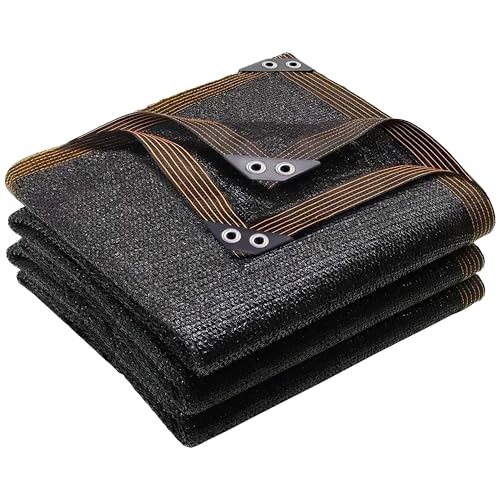
Best for: Gardeners needing a lighter shade option that still protects against sun-related stress while allowing air movement. The 5×10 ft size fits smaller greenhouses or patio garden beds.
Why selected: The 40% shading rate reduces heat while keeping good ventilation; reinforced grommets simplify installation on multiple structures. It’s a versatile option for variable sun exposure.
Caution: Lighter shade requires placement and potentially closer monitoring in peak heat periods to prevent heat stress on sensitive crops.
Buying Guide: Shade Cloths For Vegetables
- Shade rate: Higher percentages (55%–70%) are better for very hot climates or sun-sensitive crops. Lower rates (40%) are suitable for temperate zones or plants that still require substantial light.
- Material and durability: Look for HDPE with a tight knit to resist tearing. Consider reinforced edges with grommets for easy mounting and long-term use.
- Size and adjustability: Choose a size that covers your beds with some overlap, and consider cloths that can be easily cut to fit irregular shapes.
- Airflow and cooling: A breathable mesh helps prevent fungal issues and reduces irrigation needs by promoting evapotranspiration at a controlled rate.
- Installation: Grommet placement and edge reinforcement matter for windy locations. Easy-to-hang designs save setup time for seasonal use.
Frequently Asked Questions
- What shade rate should I choose for tomatoes in full sun? A shade rate of 40%–55% is often suitable to reduce heat while preserving sufficient light for fruiting.
- Can shade cloths be used year-round? Yes, but consider seasonal adjustments; higher shade in summer and lighter shade in shoulder seasons may be optimal.
- Will shade cloth affect irrigation needs? Shade cloth can reduce plant water demand by lowering transpiration, but regular monitoring is still essential.
- How do I install shade cloth on a greenhouse frame? Use grommets along reinforced edges and secure with clips, zip ties, or hooks to maintain tension and prevent flapping.
- Are all shade cloths UV resistant? Most HDPE shade cloths provide UV resistance, but verify the product features to ensure longevity in sunny environments.
- What if the cloth frays after a season? Look for knitted construction and reinforced edges; replace panels that show signs of tearing to maintain shade effectiveness.