Direct answer: a shade cloth with about 40–60% shade is typically best for succulents, balancing sun protection with airflow to prevent sunburn while avoiding excess moisture. The top options below are suited for hobbyists and gardeners who want affordable, easy-to-install protection for succulents, potted arrangements, or small greenhouses. Each choice prioritizes durable fabric, easy mounting, and clear guidance on ideal shading levels.
Whether you’re protecting a balcony succulent collection, a greenhouse bench, or a patio display, these cloths help regulate temperature, reduce water loss, and minimize sunburn. The table summarizes key attributes to speed your decision.
| Product | Shade Level | Size | Best For |
|---|---|---|---|
| BELLEBILL 50% Shade Cloth | 50% | 6.5 x 10 ft | Garden beds, greenhouses, patios |
| TREEVEX 55% Shade Cloth | 55% | 6.5 x 10 ft | Vegetable plots, raised beds, nurseries |
| QLOFEI Shade Cloth | 40–50% | Various (includes large option) | Greenhouses, kennels, outdoor shelters |
| Sukh Shade Cloth | 70% | 6.5 x 10 ft | Hot sun areas, year-round plant protection |
| SUNNY GUARD 35–45% | 35–45% | 6 x 8 ft | General outdoor shade for succulents |
BELLEBILL 50% Shade Cloth

Best for: hobbyists with small to mid-sized succulent groups on patios, in greenhouses, or under shade frames. This cloth uses high-quality HDPE, offering a 50% shade rate that reduces intense sun while still allowing water and air to pass through. The size (6.5 x 10 ft) supports a modest bench, planter row, or greenhouse bench. Its stretch-friendly fabric means minor size variation is normal during manual measurement.
Caution: the cloth’s stretch can cause slight size variation, so plan for a little extra margin if you’re fitting over exact frames. It’s best when anchored firmly to avoid billowing in wind. Material blocks most sunlight and heat but preserves airflow for plant transpiration.
Why chosen: It combines balanced shading with reliable airflow, making it a versatile choice for succulent setups that risk sunburn without overheating. The wider 6.5 x 10 ft footprint fits standard bench and frame layouts, enabling straightforward installation and maintenance.
TREEVEX 55% Shade Cloth

Best for: gardeners needing robust UV protection and long-lasting performance for raised beds or shade structures. The 55% shade cloth softens sunlight for succulents while maintaining adequate light exposure, helping regulate temperature and reduce frequent watering. It’s designed to be cut to fit and is built to resist wear with a durable HDPE mesh.
Why chosen: Its 6.5 x 10 ft size mirrors common garden setups and allows easy customization to fit frames or arbors. The product emphasizes durability in outdoor conditions, making it suitable for year-round succulent care in various climates.
Limitation: while the knit is sturdy, the material may require secure edging or grommets for windy locations to prevent flapping on exposed frames.
QLOFEI Shade Cloth for Garden

Best for: outdoor shelters, greenhouses, and kennel or chicken coop shading where easy hanging and attachment are beneficial. This cloth offers a robust knitted construction with reinforced edges and evenly spaced grommets, facilitating quick setup and tensioning. The fabric is designed to balance airflow with shading for plant health.
Why chosen: it provides a broad range of applications, including animal housing. The corner reinforcements and edge stitching contribute to reliable long-term use even under outdoor stress, making it a flexible pick for succulent caretakers who also manage other shaded areas.
Caution: ensure correct tension to avoid fanning or sagging in high winds; use appropriate anchoring points along grommets.
BeGrit 30% Shade Cloth

Best for: succulent setups that require lighter shading, especially in shoulder seasons or milder sun areas. The 30% shade rate provides a gentler reduction in sunlight, supporting delicate variegated succulents that may burn with higher shade. Its zip-tie-based installation makes it simple to trim and attach.
Why chosen: it’s a practical option for beginners or budget-conscious growers who need a breathable net with flexible sizing and easy installation. The lack of eyelets is offset by included zip ties, simplifying quick setups.
Limitation: at 30% shade, some peak-sun days may still deliver strong light; pair with additional shelter if you’re in intense sun regions.
HOLAA 90% Shade Cloth

Best for: extreme sun protection needs in hot climates or high-intensity summer days. The 90% shade cloth is ideal for shielding succulent collections that are particularly sun-sensitive, helping to reduce heat buildup and preserve soil moisture.
Why chosen: it stands out for high UV protection and strong construction with reinforced corners and grommets, enabling secure anchoring in exposed areas. This makes it a strong option for pergolas, patios, or larger shade frames.
Limitation: 90% shading may reduce light to levels that slow growth for shade-sensitive succulents; use selectively or expect longer recovery times in cooler seasons.
SUNNY GUARD 35–45% Shade Cloth
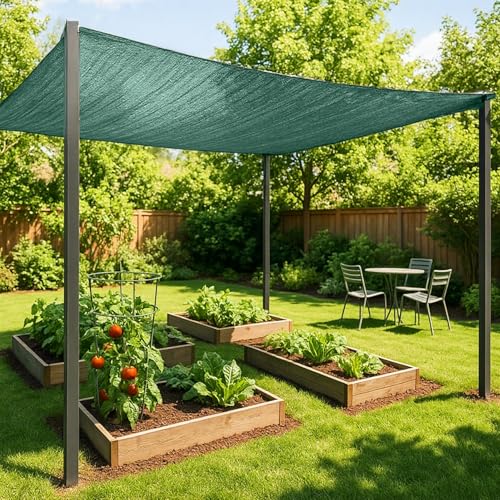
Best for: general outdoor shade for succulents on patios, balconies, or in greenhouses where moderate sun protection is desired. The 35–45% range provides a balanced level of light while maintaining airflow and direct watering through the fabric.
Why chosen: it uses durable HDPE mesh designed for multi-season outdoor use, with a focus on ventilation and easy water infiltration. This makes it a versatile choice for year-round succulent care in varying climates.
Caution: shading level varies with the product’s weave; verify the exact shade after installation to ensure it matches your plant needs.
Buying Guide: Shade Cloth For Succulents
What shade level should I choose?
- 40–60% shade is a common range for succulents in hot climates or bright, direct sun. It protects leaves from sunburn while allowing enough light for healthy growth.
- Lower shading (30–40%) is suitable for sun-loving succulents in milder climates or during cooler months.
What size and shape work best?
- Match cloth dimensions to your shelving, benches, or frames. If you’re unsure, opt for a larger piece you can trim, rather than something too small.
- Consider how you’ll anchor the cloth—grommets, ties, or clips—especially in windy locations.
Material and durability considerations
- Look for HDPE (high-density polyethylene) for durability and UV resistance. Nylon blends may be less durable and degrade faster in sun.
- Check for reinforced edges and multiple grommets to improve longevity in exposed areas.
Installation tips
- Secure all sides to prevent wind flutter. Use tie-downs or bungee cords and select sturdy mounting points.
- Cutting to size is common; measure twice and trim gradually to avoid waste.
Maintenance and care
- Rinse off dust periodically to maintain airflow and light diffusion. This helps prevent mold or mildew on dense plant clusters.
- Inspect for tears after strong winds or heavy rain and repair promptly to extend service life.
FAQ
- Q: Will shade cloth reduce plant growth due to less light? A: Moderate shading preserves leaf integrity and prevents sunburn while still allowing sufficient light for photosynthesis typical of succulents.
- Q: Can I reuse shade cloth across seasons? A: Yes, HDPE-based cloths are durable for multi-season outdoor use with proper storage when not in use.
- Q: How do I attach shade cloth to a frame? A: Use grommets with cords or zip ties, ensuring even tension along edges to prevent sagging.
- Q: Is a higher shade percentage always better for succulents? A: Not necessarily; too much shade can slow growth. Choose based on your climate and plant varieties.
- Q: Can shade cloth be used over potted succulents on a balcony? A: Yes, it provides portable shade and can be adapted to different balcony layouts.
- Q: Do shade cloths block rain? A: They allow water through while diffusing sunlight, so irrigation is still possible.