When selecting shade cloth for citrus trees, the main goal is to balance light, heat, and airflow to prevent sunburn while ensuring enough sunlight for photosynthesis. This guide highlights five top options that are well-suited for citrus care, focusing on outdoor trees in sun-heavy climates. Each choice is evaluated for best use cases, such as small backyard trees, larger groves, or portable housing for potted citrus. The buyer’s intent is to find a reliable shade solution that reduces heat stress without compromising fruit development.
Summary of chosen products
| Product | Best For | Shade Rating | Key Benefit |
|---|---|---|---|
| PURPLE STAR 1N 72″ x 47″ Rounded Top | Small to medium citrus trees in yards | Approximate 40-60% | Rounded top for reduced leaf pressure and easy watering access |
| DECOHS 2 Pcs 6.5×5 Ft | Medium trees, quick setup | Full spectrum white light refraction | Drawstring bottom for secure fit |
| BELLEBILL 50% 6.5×10 Ft Black | Longer-term shading, versatile use | 50% | Sturdy HDPE with breathable design |
| Cool Area 55% 6.5x10ft (Black) | Larger shade coverage | 55% | Durable, easy installation, long service life |
| BobbleT 2 Pack 3.94×2.62 Ft | Fruit trees and small plantings | 70% for strong sun days | Zipper & drawstring for secure wrap |
PURPLE STAR 1N 72″ x 47″ Rounded Top Shade Cover

- Best for small to mid-size citrus trees needing balanced daylight with protection from direct sun.
- White light refraction delivers full-spectrum daylight, helping prevent leaf scorch while supporting photosynthesis.
- Rounded top design reduces leaf pressure and makes watering and pruning easier, with a side zipper for quick access.
- Bottom drawstring helps secure the cover against wind; suitable for windy summer days.
Best use: Choose this when you want a simple, lightweight cover that protects foliage without occluding essential light for growth. Not ideal for very large trees or heavy wind areas where a larger frame is needed.
Cool Area 55% 6.5x10ft Shade Cloth Cover

- Best for larger shade coverage over garden beds, greenhouses, or fruit trees needing sustained protection.
- 55% shading rate with HDPE material provides reliable sun protection while maintaining airflow.
- Durable construction with no recycled materials, designed for years of service; easy to install with simple anchoring.
- Limitations: May reduce light intensity for shade-demanding crops; consider pairing with reflective mulches or staged shading during peak sun.
Best use: Choose when you need a robust, larger-area cover that still allows air and water permeability. Better for hot climates; avoid if you require very high light for certain citrus varieties in early growth stages.
BELLEBILL 50% Shade Cloth, 6.5x10ft

- Best for moderate shading across larger citrus plantings, including greenhouse settings.
- 50% shade rate balances sun protection with light transmission essential for fruit development.
- HDPE material offers durability and breathability; folds easily for storage when not in use.
- Limitation: Slight variability in dimensions due to fabric stretch; plan extra slack for adjustments.
Best use: Choose when you need steadier shade across bigger trees or rows in a yard or small orchard. Not ideal if you need very precise light control for sun-sensitive cultivars.
BobbleT 2 Pack Fruit Tree Shade Net, 3.2×2.5 Ft

- Best for fruit trees during ripening, reducing sunburn and supporting even color development in hot weather.
- 70% shade rate with UV-stabilized HDPE ensures robust sun protection while maintaining airflow.
- Includes zipper and drawstring for easy wrapping around trees, shrubs, or berry bushes.
- Limitation: Smaller footprint per unit; may require multiple nets for larger trees.
Best use: Choose when you need a flexible, easy-to-install wrap for individual trees or shrub clusters. Avoid relying on these alone for very large trees without a larger cover.
Cool Area 55% Shade Cloth Mesh Tarps (Second Option)
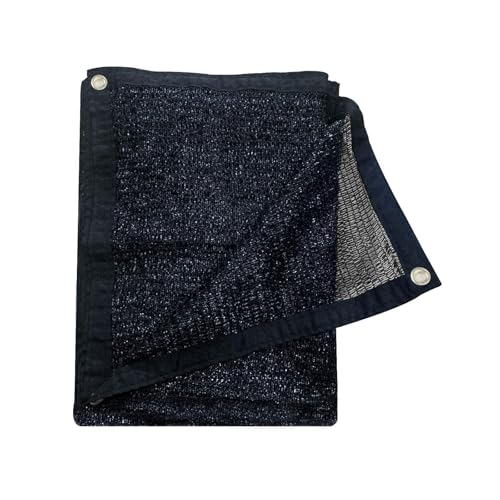
- Best for patio canopies, garden pergolas, and greenhouse entries where you need a balance of shade and air flow.
- 55% shading rate with straightforward installation via grommets; good for temporary setups.
- Durable, long-lasting fabric designed to withstand outdoor conditions.
- Limitation: Not always an exact fit for irregular tree shapes; may require trimming or custom sizing.
Best use: Choose when you want a drop-down shade option for patios or garden structures. Better for flexible, seasonal shading rather than fixed tree protection.
Buying Guide: Key Considerations For Citrus Shade Cloth
- Shade rate and light quality: Citrus trees need sufficient light for fruiting, but excessive heat can cause sunburn. Balance shade rates between 40% and 60% for most situations; higher shading works well in extreme heat, lower shading when early-season light is essential.
- Material and durability: Look for HDPE or non-woven fabrics that are lightweight, tear-resistant, and breathable. Breathability helps prevent moisture buildup and fungal issues.
- Size and coverage: Measure tree canopy and consider wrap-around wraps or rectangular covers for rows. Rounded tops can reduce leaf stress and improve water access, while rectangular sails cover larger areas efficiently.
- Installation and adjustability: Drawstrings and zippers simplify securing covers during wind and weather. Grommets and reinforced edges improve long-term durability.
- Watering compatibility: Shade cloths should allow water penetration and airflow so irrigation remains effective. Some designs are more permeable than others; plan irrigation accordingly.
- Portability and storage: For potted or moving citrus, lighter fabrics with simple installation are preferable. Consider the storage space required when the shade cloth is not in use.
- Climatic considerations: In windy regions, wind resistance and secure fitting are critical. In very hot climates, higher shade percentage may be advantageous, but monitor tree response to avoid stunted growth.
Frequently Asked Questions
- What shade rate is best for citrus trees?
Most citrus trees thrive with 40–60% shading in hot climates to reduce heat stress while preserving photosynthesis. - Can shade cloth be left on trees year-round?
Yes, but monitor for growth seasons. In milder climates, summer-only use is common; in warm areas, partial-year shading may be continuous. - Will shade cloth affect fruit color or size?
Appropriate shading helps prevent sunburn and fosters even ripening; excessive shade may slow color development in some varieties. - Is water access hindered by shade cloth?
Most fabrics are breathable and allow watering; choose designs with open weave or pervious backing to avoid irrigation issues. - What installation features matter most?
Look for zippers, drawstrings, and reinforced edges to ensure a secure fit against wind and to simplify removal for pruning or harvesting. - Are there downsides to higher shade cloth percentages?
Higher shade rates can reduce light intensity, potentially slowing growth; pair with supplemental light or adjust shading seasonally.