Answer: Polymeric sand designed for paver joints provides a weed-resistant, stable joint that locks pavers in place. This guide highlights top options and explains which is best for various project needs— patios, driveways, or walkways. Ideal buyers include DIY homeowners tackling weed growth, busy property managers seeking low maintenance, and landscape professionals needing durable, long-lasting joints. The table below compares five strong choices to help you decide quickly.
| Product | Best For | Typical Joint Width | Color |
|---|---|---|---|
| Alliance Gator G2 Maxx Polymeric Sand | Patios, driveways, walkways with rain-prone areas | 1/8″ and up | Slate Gray |
| Rhino Power Bond Plus (Slate Gray) | Driveways and pools; multiple applications | Up to 2″ | Slate Gray |
| DOMINATOR Polymeric Sand (Titanium Gray) | Wide joints; professional-grade aesthetics | 1/8″ to 4″ | Titanium Gray |
| X-Treme Polymeric Sand (Granite) | Wide and deep joints; stone and concrete blends | Up to 6″ | Granite |
| Rhino Power Bond Plus (Black Diamond) | Stone and paver joints; robust weather resistance | Up to 2″ | Black Diamond |
Alliance Gator G2 Maxx Polymeric Sand Slate Gray

Best for rain-prone areas and fast-setting joint stabilization. This professional-grade polymeric sand is designed for patios, walkways, driveways, and pool decks. It features Rain Safe technology and strong joint stabilization to lock pavers against movement. It is especially suited for projects where washout after activation is a concern. The color slate gray ensures a neutral, cohesive look with most stones and paver colors.
homeowners wanting reliable weather resistance and quick hardening, and landscape pros needing durable, low-maintenance joints. Limitations: may require proper broom-in technique and thorough activation to achieve full washout resistance.
Rhino Power Bond Plus Slate Gray

Best for multi-application use including driveways, walkways, and around pools. The formula is designed to handle a range of weather conditions and provides a tight, flexible bond that minimizes paver movement. It’s suitable for pavers and concrete surfaces and offers a quick-setting option for DIY projects. A caution: ensure even application for optimal washout resistance, especially in areas with heavy traffic or frequent rain.
Who it’s for: DIYers and small crews needing a versatile polymeric sand that performs in diverse settings. Limitations: may require longer curing in very humid or windy conditions to achieve full strength release.
DOMINATOR Titanium Gray Polymeric Sand

Best for joint widths from 1/8″ up to 4″ with a sleek, durable finish. Ceramic Flex technology provides flexibility and strength to accommodate wider joints while maintaining color clarity. The Easy Pour Handle on the bag aids handling and installation speed, making it a solid choice for professional-grade patios and larger hardscape installations. Note: does not replace grout or mortar.
Who it’s for: professionals and serious DIYers planning wider joints or color-matched looks. Limitations: not a substitute for grout, mortar, or edging in any project.
X-Treme Polymeric Sand Granite

Best for wide joints up to 6 inches and deep substrates. This granulated mix provides fast-setting behavior and weather resistance designed to lock pavers, concrete, brick, stone, and flagstone securely. The granite color complements a variety of natural stones and contemporary looks, enhancing curb appeal while reducing maintenance needs.
Who it’s for: projects requiring very wide joints or flagstone installations. Limitations: wider joints demand deeper installs and careful compaction to achieve optimal stabilization.
Rhino Power Bond Plus Black Diamond
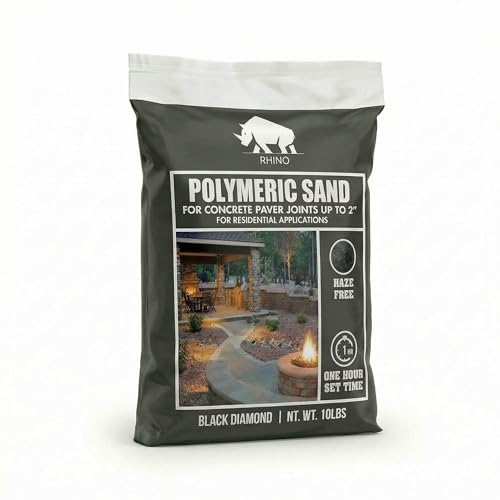
Best for dark-toned, professional hardscape finishes where a sleek appearance matters. This Paver Sand Polymeric Blend fills joints up to 2 inches wide and provides a strong bond that resists erosion and washout. It’s well-suited for patios, driveways, and pool decks, offering a durable, low-maintenance solution with a clean, polished look.
Who it’s for: those prioritizing a dark aesthetic and robust joint protection. Limitations: not ideal for extremely wide joints beyond 2 inches without proper installation planning.
Buying Guide: Key Considerations For Selecting Polymeric Sand To Prevent Weeds
- Joint width compatibility: Choose a product that covers your target joint width, from narrow 1/8″ joints to wider joints up to 6″ in some formulas.
- Weather resistance: Look for Rain Safe or weather-resistant formulations if you live in areas with frequent rain, snow, or freeze-thaw cycles.
- Color match and aesthetics: Colors like slate gray, titanium gray, granite, and black diamond complement most paver colors and stone types for a cohesive look.
- Ease of installation: Features such as easy pour handles and fast-setting performance reduce labor and installation time.
- Durability and washout resistance: A strong polymeric bond that minimizes paver shifting and weed growth is essential for long-term maintenance.
- Compatibility with paver types: Some formulas are designed for concrete pavers, natural stone, flagstone, and other hardscape materials; ensure compatibility with your project.
- Maintenance considerations: Polymeric sands typically require a one-time activation with water; some products emphasize ongoing stabilization and erosion resistance.
FAQ
- What is polymeric sand and how does it help prevent weeds?
It is a blend of sand and binding agents that hardens when activated with water, creating a joint that resists weed growth and stabilizes pavers. - Can I use polymeric sand for wide joints?
Yes, some products support joints from 1/8″ up to 4″ or even 6″ wide, but check the product specification for your chosen formula. - Do I need edging when using polymeric sand?
Edging is often recommended to maintain joint alignment and prevent shifting, depending on your installation. - How long does it take for polymeric sand to set?
Most products set quickly after activation, but full cure times can vary with weather and product type; follow the manufacturer’s instructions. - Will polymeric sand stain my pavers?
When properly installed and cleaned during installation, staining is minimal; avoid leaving excess material on paver faces. - Is polymeric sand replacement required over time?
It can settle or erode in high-traffic areas; occasional reapplication might be needed to maintain joints.