Choosing the right rope for a rope swing depends on weight capacity, durability, and weather resistance. This guide highlights five top rope options, explains who they’re best for, and contrasts their strengths and limitations. Ideal for homeowners building backyard play spaces, camp coordinators outfitting outdoor playgrounds, and DIYers seeking sturdy, long‑lasting hanging solutions.
| Product | |||
|---|---|---|---|
| X XBEN Outdoor Climbing Rope | Backyard climbers and emergency-use rope with strong braking | 32 ft (10 m) | Low outer skin wear; smooth operation |
| YUZENET Braided Polyester Arborist Rope | Tree work, cargo securing, camping swings | 100 ft | High tensile strength; wear-resisting outer skin |
| JANJOSN 1/2 Inch Arborist Rope | Rigging and tree pulling with pulleys | 100 ft | Heavy‑duty double braided polyester construction |
| Koch 5011635 Polypropylene Rope | General outdoor tying, gardening, DIY | 50 ft | Water and rot resistance; lightweight and strong |
| Sodlar Climbing Rope Gym Workout (Jute) | Home gym, obstacle courses, workouts | 10 ft | High tensile strength and natural grip |
X XBEN Outdoor Climbing Rope

X XBEN’s rope is a 32‑foot static rope designed with a low outer skin sliding rate and a robust 13‑core construction. This setup emphasizes safe braking and smooth operation, making it suitable for controlled swings in small spaces. Best for: backyard setups where easy handling and reliable stopping matter most for younger users or novice installers.
Best for: parents or hobbyists needing a compact, durable rope that resists pilling and maintains braking performance over time.
Caution: The shorter length may limit swing radius for larger yards or higher swings. Ensure anchoring is secure and appropriate for the rope’s load capacity.
YUZENET Braided Polyester Arborist Rope

YUZENET uses a 3/8 inch diameter, 100‑foot length with 48 high‑strength inner strands and a tightly woven outer skin. It’s designed for high pulling force and durability, with hot melt cutting tech to prevent spread. Best for: tree‑swing setups that require long runs, strong knot retention, and weather resistance.
Best for: installations needing substantial length and reliable resistance to moisture and UV exposure.
Caution: The heavy‑duty design may be overkill for small swings or light loads. Plan anchoring accordingly to avoid overloading tree branches.
JANJOSN 1/2 Inch Arborist Rope
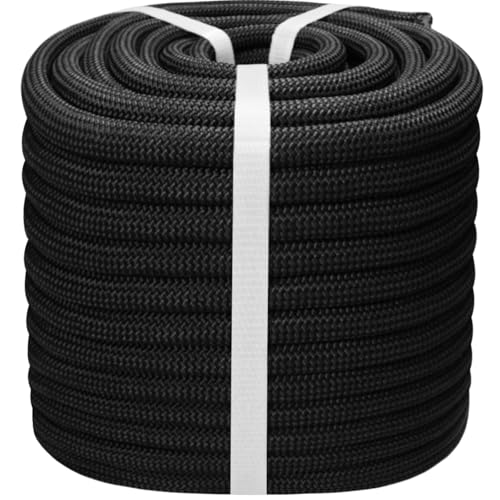
JANJOSN offers a 1/2‑inch, 100‑foot diameter with 48‑strand double braided polyester. This rope delivers reliable tensile strength and outdoor weather resistance, making it a versatile option for rigging and tree‑based swings. Best for: those needing a sturdy, all‑weather rope with easy knot handling around pulleys.
Best for: projects requiring robust strength with a manageable diameter for smooth operation.
Caution: Heavier than lighter ropes; ensure hoists and clips are rated for the expected load to prevent binding or snagging.
Koch 5011635 Polypropylene Rope

Koch’s 1/2‑inch, 50‑foot polypropylene rope is lightweight and strong, with water and rot resistance. It excels for general outdoor use, bundling, and temporary setups where a lighter rope is advantageous. Best for: quick installations or DIY projects where water exposure is possible and weight matters.
Best for: beginners and casual installations that require a reliable, economical rope with decent outdoor durability.
Caution: Polypropylene has lower UV resistance than polyester; extended sun exposure can reduce strength over time. Inspect for signs of wear before use.
Sodlar Climbing Rope Gym Workout (Jute)

Sodlar offers a 10‑foot jute rope, 1.5 inches thick, designed for gym workouts and obstacle courses. It emphasizes natural grip, high tensile strength, and abrasion resistance. Best for: indoor or sheltered setups where a natural fiber rope provides grip without slickness.
Best for: fitness enthusiasts and obstacle courses seeking a strong, tactile rope with a traditional feel.
Caution: Jute roped products can degrade with prolonged moisture; avoid saturated outdoor exposure and inspect for fraying or looseness after use.
Buying Guide: Key Rope Swing Purchase Considerations
Material matters. Polyester fibers offer good UV resistance and strength for outdoor swings, while polypropylene is lighter and affordable but less durable under long sun exposure. Natural fibers like jute provide grip but can degrade outdoors.
Length and diameter must fit the installation. Longer runs suit larger yards; thicker ropes support heavier loads but require secure anchors and larger hardware. Always match the rope’s working load limit to the expected rider weight and swing dynamics.
Durability features matter. Look for wear‑resistant outer skins, reinforced cores, and moisture resistance. If your swing sits in a tree, choose a rope with robust abrasion resistance and minimal stretch to reduce safety risks.
Hardware compatibility. Ensure carabiners, eye bolts, and anchors are rated to the rope’s working load limit. Proper knots and protective sleeves can increase rope life and safety.
Maintenance and inspection. Regularly check for fraying, core exposure, or soft spots. Treat or replace rope when wear becomes evident to prevent failure during use.
Frequently Asked Questions
- What kind of rope is best for a backyard rope swing? Polyester or high‑tenacity outdoor ropes offer durability, UV resistance, and relatively low stretch, making them reliable for swings.
- How long should a rope for a swing be? Measure the distance from anchor to seat plus allowance for knots and adjustments; longer runs are common for larger yards, but ensure anchors can handle the load.
- Is a thicker rope safer for swings? Thicker ropes can distribute load better and provide a firmer grip, but they require stronger hardware and proper installation to avoid excessive force on anchors.
- Can I use any rope outdoors year‑round? No. Weather exposure matters. Choose UV‑resistant materials like polyester and check for mildew or rot signs in natural fiber ropes.
- How should I inspect a swing rope for safety? Look for fraying, broken strands, exposed cores, glazing, or stiff sections. Replace rope showing any significant wear before use.
- What about rope length for kids versus adults? Shorter ropes suit kids and small spaces; longer lengths accommodate taller riders and larger spaces, provided anchors support the load.