For backyard birds, roosting pockets offer essential shelter from harsh weather and predators. This guide highlights five highly-rated roosting pockets and grass bird houses designed to provide secure, ventilated space for small songbirds. Each option emphasizes natural materials, durable construction, and easy hanging or mounting to fit various garden setups. Read on to compare features, installation tips, and how to choose the right pocket for your feathered visitors.
| Product | Brand | Material Notes | Ideal For |
|---|---|---|---|
| Songbird Essentials Hanging Grass Roosting Pockets and Houses – Large | Songbird Essentials | All natural reed grass and cedar | Non-migrating songbirds; winter refuge |
| Bird Nest Grass Bird Hut Outdoor Hanging Birdhouse | Hamiledyi | Fiber hand woven grass | Finches, chickadees, sparrows; predator deterrence |
| Hummingbird Nesting House (3 Pack) | Tfwadmx | Natural grass materials; hand-woven | Wrens, chickadees, finches; multiple placements |
| Songbird Essentials Hanging Grass Roosting Pockets — Large Twine House | Songbird Essentials | All natural materials; reed grass, cedar | Winter refuge for non-migrating songbirds |
| Esschert Design Sea Grass Nesting Pocket | Fallen Fruits | Natural sea grass; wooden frame | Wrens and small backyard birds; shelter |
Table notes: All options emphasize natural materials, ease of hanging, and a sheltered interior. The selections cover a range of small songbirds and hummingbirds, with emphasis on wind and weather resistance for winter use.
Songbird Essentials Hanging Grass Roosting Pocket

This roosting pocket uses all natural reed grass and cedar to resist premature decay. It’s environmentally friendly and naturally degradable, with roofed variants offering extra protection. The rough texture helps birds grasp the interior and makes it easier for small birds to enter and exit. Non-migrating songbirds benefit from a quiet, sheltered winter refuge from wind, rain, and cold. The model often features metal staples on roofed versions for added durability.
Hamiledyi Bird Nest Grass Hut For Outdoors

These fiber hand-woven huts offer a large hiding space (8.3″ x 7.1″) to deter larger predators while providing warmth during cold nights. The design promotes ventilation and water drainage so wet nests don’t become damp. Hanging multiple huts around a garden creates a network of cozy shelters for small birds such as finches, chickadees, tits, and sparrows, helping them resist cold winds and rain while nesting materials cling to the interior.
Hummingbird Nesting House, Hand Woven (3 Pack)

These three hand-woven hummingbird houses use natural grass materials to provide a cozy, ventilated space for nesting. Each nest is unique due to hand weaving, with fibers tightly woven to resist fraying. They offer a sheltered place from cold winds and precipitation and are designed for easy hanging on trees or eaves. Suitable for wrens, chickadees, finches, robins, and other small songbirds seeking a warm nesting spot.
Songbird Essentials Large Hanging Grass Twine House
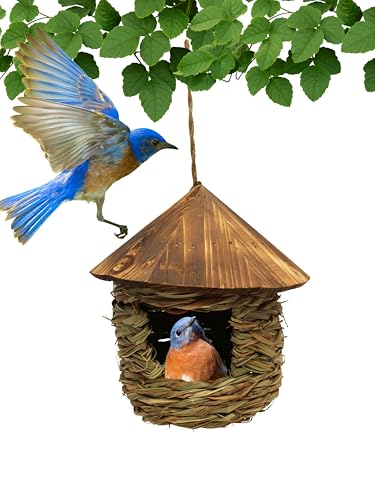
This large twine house variant shares the same natural materials as the pocket models, offering extra space for roosting and nesting materials to cling to the interior. It’s particularly useful for winter shelter when birds need more room to shield themselves from wind and cold. The rough texture aids grip for birds entering and exiting, while the eco-friendly composition minimizes environmental impact.
Esschert Design Sea Grass Nesting Pocket

This Sea Grass Nesting Pocket by Esschert Design is mounted on a wooden frame with a protective roof. It provides welcome shelter for wild birds, especially wrens, in quiet, sheltered locations away from direct sun, wind, or rain. The natural sea grass construction offers a rustic aesthetic that blends with garden settings and supports wind-resistant roosting during cooler months.
Buying Guide: Key Purchase Considerations
- Material and durability: Look for natural fibers (reed grass, sea grass, pine) and weather-resistant frames. Cedar components add rot resistance, while hand-woven textures improve grip for birds and prevent fabric fraying.
- Size and accessibility: Ensure entry holes and interior dimensions fit your target species. Wider entrances help finches and sparrows; smaller holes suit hummingbirds and chickadees. Consider interior ventilation and drainage.
- Protection from elements: Choose models with roofs or covered interiors to shield birds from rain, wind, and snow. Some pockets use elevated frames to avoid ground moisture and predators.
- Hanging vs. mounting: Hanging pockets are quick to deploy in trees or porches; mounted pockets can be affixed to fences or posts. Verify weight limits and anchoring options for stability in windy locations.
- Maintenance: Natural fibers may require occasional cleaning or replacement. Some designs are easily detachable for seasonal washing; others are disposable or biodegradable at end of life.
- Bird safety and predator deterrence: Predation deterrence features include larger inner spaces, sturdy entrances, and predator-proof front openings. Placement away from clutter and predator pathways enhances safety.
- Ecological considerations: Favor products that use renewable materials and avoid chemical treatments. Recyclability and biodegradability reduce environmental impact.
- Placement strategy: Position pockets away from direct sunlight and prevailing winds when possible. Mounting height and proximity to feeders influence visitation rates and nesting success.
Across these options, buyers should align product features with local bird species, climate, and garden layout. For winter roosting, priority is warmth, shelter, and durability, while predator deterrence matters in areas with raccoons or larger birds of prey. The selections above provide a range of sizes and styles to accommodate different yard ecosystems while supporting a healthy, natural resting environment for garden birds.