Answering the question popular among reptile keepers and plant lovers: the best reptile bark for plants combines natural materials, moisture control, and safe substrate for both terrarium dwellers and rooted flora. The top picks below are ideal for small to mid-size habitats, encouraging digging, climbing, and humidity management. This guide highlights options suited for bearded dragons, geckos, snakes, orchids, and tropical plants, with clear reasoning on who benefits most from each product.
Summary of chosen products (quick reference):
- Zoo Med Reptile Bark Fir Bedding, 8 Quarts — Best for smaller setups needing reusable, humidity-friendly fir bark.
- Zoo Med Premium Reptile Bark, 24qt — Best value for medium terrariums with repeated use and moisture control.
- Exo Terra Forest Bark Natural Terrarium Substrate, 4 Quarts — Best for humidity-loving reptiles and natural-looking habitat.
- Zilla Reptile Terrarium Bedding Substrate Bark Blend, 8 Quart — Best for heat and moisture transfer in tropical enclosures.
- Galápagos Natural Cork Bark — Best for climbing, hides, and lightweight décor across terrariums and bearded dragons.
Zoo Med Reptile Bark Fir Bedding, 8 Quarts
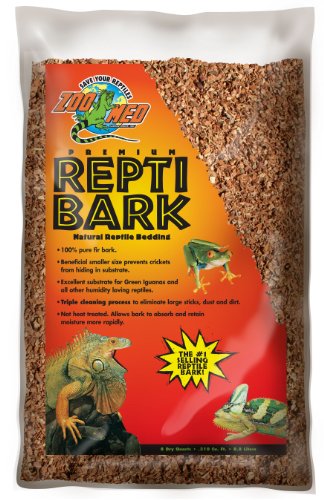
Best for small enclosures and quick refresh cycles. This fir bark substrate is reusable when washed, offering long-term value for a compact terrarium. It provides moisture control suitable for humidity-loving species and a natural, safe surface for reptile habitats. Best choice for hobbyists who want a simple, low-muss option that supports digging and surface burrowing.
Who this is for: keepers with small tanks or vivariums and a preference for reusable substrates. Why selected: includes moisture retention and natural fir bark, making it a reliable baseline substrate for plants and reptiles in tighter spaces. Caution: rehydration and washing are necessary to maintain hygiene and reduce dust in smaller setups.
Zoo Med Premium Reptile Bark, 24qt

Best for medium terrariums needing bulk substrate with long-term reuse. The material is fir bark, providing a natural look and effective moisture control to keep higher humidity levels without overwhelming the enclosure. This option supports root growth of plants in the substrate and offers a stable base for burrowing reptiles. Better for larger plantings or mixed flora in a mid-sized habitat.
Who this is for: hobbyists managing medium-sized terrariums or vivariums with live plants. Why selected: higher volume reduces replacement frequency and maintains humidity. Caution: heavier bulk may require more maintenance when cleaning or replacing substrate in tight habitats.
Exo Terra Forest Bark Natural Terrarium Substrate, 4 Quarts

Best for humidity-loving reptiles that benefit from hygroscopic moisture regulation. This 100% natural fir bark substrate absorbs and releases moisture to maintain stable humidity levels within the terrarium. It supports natural digging and burrowing behaviors, making it suitable for forest-dwelling species and planted terrariums. Choose this if you want a naturalistic look with predictable moisture control.
Who this is for: reptile keepers prioritizing humidity stability and eco-friendly material. Why selected: hygroscopic properties help reproduce tropical microclimates. Caution: smaller bag size means more frequent replacement in very humid setups or larger homes with dense plantings.
Zilla Reptile Terrarium Bedding Substrate Bark Blend, 8 Quart

Best for heat and moisture transfer in tropical and forest enclosures. The bark blend is organic fir bark designed to facilitate effective heat and moisture movement, supporting reptiles that require stable humidity and warmer microclimates. It is oven-dried to reduce pests, contributing to a cleaner habitat. Prefer this when you need efficient moisture management alongside a natural appearance.
Who this is for: keepers seeking a substrate that aids thermal dynamics in terrariums with live plants. Why selected: optimized for heat and moisture transfer. Caution: ensure there is adequate ventilation to prevent substrate from becoming overly damp in very humid setups.
Galápagos Natural Cork Bark for Reptiles

Best for climbing, hides, and lightweight décor in terrariums. This natural cork bark provides textured grip for reptiles like bearded dragons and geckos and offers hiding spaces for snakes and turtles. It blends well with tropical, woodland, or desert setups, supporting natural behaviors such as basking and perching. Choose cork bark for aesthetic variety and lighter weight compared to fir bark substrates.
Who this is for: aquiring an attractive, safe climbing decor that still serves as substrate. Why selected: cork is lightweight and durable, enhancing habitat complexity. Caution: cork pieces vary in size; select pieces that fit your enclosure’s dimensions and avoid sharp edges that could injure a pet.
EZ Botanicals Cork Bark Bits

Best for mixed terrarium needs including orchids, reptiles, and airplants. These pest-free cork bark bits are hand-picked, packed, and sealed for freshness. They provide a natural, decorative option that also contributes to humidity balance when used with other substrates. Consider this for decorative layering or mixed plant-reptile environments where visual appeal matters.
Who this is for: terrarium builders seeking decorative cork pieces that also contribute to humidity and airflow. Why selected: pest-free, ready-to-use cork bark that’s versatile across plants and reptiles. Caution: cork bits vary in size; sort pieces to fit your enclosure and avoid oversized chunks in small tanks.
Buying Guide: Key Purchase Considerations
- Substrate material: Fir bark, cork bark, or blends each offer different moisture management and structural benefits. Fir bark generally retains moisture well; cork bark provides climbing surfaces and decor with lighter weight.
- Humidity and airflow: For humidity-loving species, choose substrates with hygroscopic properties or good ventilation to prevent mold. Some products are oven-dried to reduce pests; consider if pest control is a priority.
- Best for plant integration: Substrates that promote root development and provide voids for aeration support orchid or tropical plant roots in terrariums.
- Suitability by enclosure size: Smaller tanks benefit from reusable, compact substrates; larger vivariums may require bulk options to minimize maintenance.
- Safety and natural behavior: Look for 100% natural materials free from added chemicals. Substrates should encourage digging, burrowing, climbing, and hiding as appropriate for your reptiles and plants.
FAQ
- Q: Which bark substrate is best for bearded dragons with live plants? A: Cork bark and fir bark blends work well, offering climbing surfaces and a natural look while supporting plant roots.
- Q: How often should reptile bark substrates be replaced? A: Replacement frequency depends on humidity, cleaning routine, and enclosure size. Reusable fir bark can be washed and reused, but inspect for mold and pests.
- Q: Do these substrates affect plant growth? A: Yes. Substrates that hold moisture can support root development and plant hydration when combined with appropriate potting mixes and drainage.
- Q: Are cork bark pieces safe for all reptiles? A: Generally yes, cork bark is inert and lightweight, but check for sharp edges and ensure pieces fit your enclosure without obstructing airflow.
- Q: Can I mix multiple substrates? A: Mixing can tailor moisture retention and air flow, but monitor humidity and mold risk to maintain a healthy habitat.
- Q: Which option is best for terrariums with high humidity plants? A: Substrates with hygroscopic properties, such as Exo Terra Forest Bark, help stabilize humidity while supporting plant roots and reptile needs.