Answer: Red sand options for landscaping range from natural, decorative sands to minerals designed for drainage and color accents. This guide highlights five products that offer reliable color, texture, and practicality for garden beds, rockscapes, planters, and decorative paths. Best for different needs: natural aesthetic lovers, plant-aware designers seeking drainage, and hobbyists building terrariums or craft features. The list helps you compare grain size, color stability, and suitability for outdoor vs. indoor projects. Use the quick reference table to compare at-a-glance before choosing the right red sand for your landscape.
| Product | Best For | Key Benefit | Notes |
|---|---|---|---|
| Exo Terra Desert Sand | Terrariums, decorative beds | Natural desert color, sifted grain | Free of dyes and chemicals |
| Premium Pebbles Coarse Sand (Red) | Indoor/outdoor landscaping, pots | Wide color range, multiple sizes | Coarse texture for visible layering |
| AWXZOM Red Aquarium Sand | Aquarium-inspired landscapes, crafts | Soft red hue, versatile use | Ideal for decorative layering and plant beds |
| Sandsational Ruby Red Unity Sand | Weddings, terrariums, crafts | Designer color with 95 options | Non-toxic, UV-stable, made in USA |
| Custom Colored Polymeric Sand – Brick Red | Pathways, borders, driveways | Colorfast, durable installment | Requires sealing and installation steps |
Exo Terra Desert Sand, 10-Pound, Red

Best for: terrarium enthusiasts and garden displays seeking a natural desert look. Why selected: natural sand with no added dyes or chemicals provides a clean, authentic color and a uniform grain size after sifting. Ideal grain size supports stable landscapes without compaction. Caution: not designed for heavy outdoor soil beds; durability depends on environmental exposure and washing before use.
14lb Red Lava Rock for Plant, Horticultural Rock

Best for: drainage-focused plant beds and decorative pathways. Why selected: red lava rocks offer natural drainage and mineral content, preventing root rot while adding a bold color feature. Caution: lava rocks are porous and can trap dust; rinse before use to reduce dust and ensure even coloring.
Premium Pebbles Coarse Sand. Red Color. 1/8 Inch 10 lbs

Best for: versatile indoor and outdoor projects, including pots, vase fillers, and landscape accents. Why selected: broad color options and multiple sizes let you layer sands for texture and color depth. Caution: not all colors are guaranteed to be colorfast in extreme weather; test with a small area first.
AWXZOM 11lb Natural South American Red Sand

Best for: aquarium-inspired landscapes, succulent beds, and decorative rock gardens. Why selected: natural red sand with a soft color that doubles as filler and base for aquatic plant landscapes. Caution: data notes that cleaning is recommended before use; pre-rinse to reduce dust and debris.
Sandsational Sparkle Ruby Red Unity Sand, 1 lb
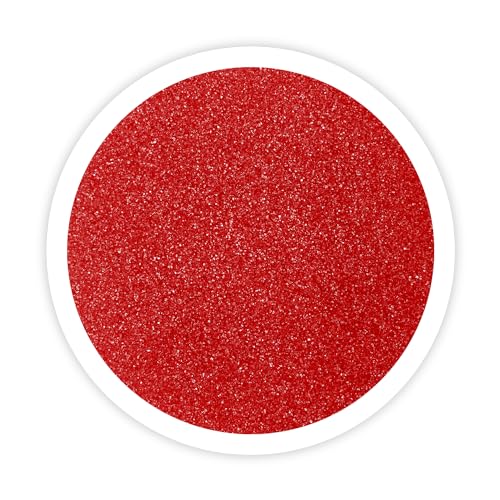
Best for: wedding décor, centerpieces, and terrarium accents needing a vibrant ruby tone. Why selected: designer color options with non-toxic, UV-stable composition. Caution: as a small amount, it’s best for decorative uses rather than large outdoor fill; consider coverage needs for bigger areas.
Custom Colored Polymer Sand – Brick Red
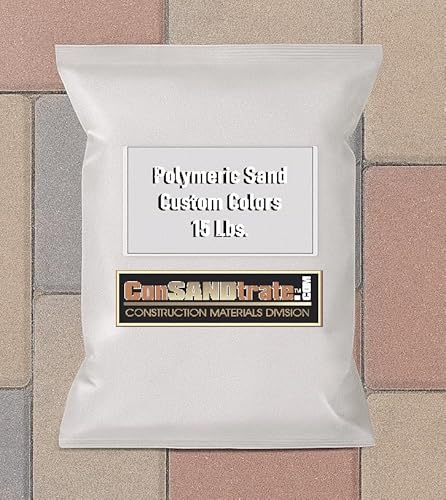
Best for: decorative pathways, borders, and resin-sealed installations. Why selected: polymeric sand provides colorfast results with added durability for joints. Caution: installation typically requires proper compaction and sealer steps to maximize performance; not ideal where rapid drainage is needed.
Buying Guide
What should you consider when choosing red sand for landscaping?
- Use case: Outdoor soil beds, decorative pathways, terrariums, or indoor crafts each require different sand properties such as grain size, porosity, and color stability.
- Grain size and texture: Coarser sands provide structure and drainage; finer sands enable smoother finishes and compacting for paths. Match texture to your project needs.
- Colorfastness and staining: Some decorative sands may fade under sun exposure or bleed onto nearby surfaces. Look for UV-stable and non-toxic options for longevity.
- Environmental and maintenance factors: Natural sands often require minimal processing, while polymeric sands need sealing and proper installation to maximize durability.
- Safety and suitability: For terrariums or indoor crafts, ensure the sand is free of dyes and chemicals if contact with living organisms or children is expected.
Practical purchase considerations
- Volume vs. coverage: Calculate area and depth to estimate bags needed. Heavier or denser sands may require more material for the same area.
- Color coordination: Compare multiple red tones to ensure the final landscape harmony with existing stones, planters, and mulch.
- Maintenance plan: Consider future refreshes—some sands may require reapplication or cleaning to maintain appearance.
FAQ
- Q: Is red sand suitable for plant beds? A: Yes, but choose sands with appropriate drainage and avoid materials that could alter soil chemistry or pH.
- Q: Can red sand be used in terrariums? A: Yes, natural desert sands are often used in terrariums for an authentic look, provided they are clean and safe for terrarium inhabitants.
- Q: Will red sand fade in sunlight? A: Some designer sands are UV-stable, but always check product descriptions for colorfastness ratings.
- Q: Do I need to wash or rinse red sands before use? A: Rinsing is recommended for sands with visible dust or debris, especially for aquarium or terrarium applications.
- Q: Which red sand is best for pathways? A: Polymer sand offers durability and joint stability, but for pure decorative color, coarse natural red sands can be preferable.
- Q: Are these sands safe for children? A: Most decorative sands marketed for crafts are non-toxic; always supervise and check product safety notes.