Looking to grow Red Delicious apples in a compact, semi-dwarf form? This guide compares five semi-dwarf Red Delicious options from reliable suppliers, highlighting ideal growing zones, pollination needs, and transplant considerations. Each choice is suited for homeowners with small to medium yards, backyard orchards, or decorative edible landscapes. Buyer’s stance is explained to help you pick the right tree for your climate, space, and fruit goals.
| Product | Size / Form | Best For |
|---|---|---|
| TriStar Plants Red Delicious Apple Tree | 1 Gallon, Semi Dwarf | Gardeners seeking a ready-to-ship, 4–8 zone tree with winter chill requirements |
| Arbor Day Foundation Red Delicious Apple Tree | 1 Gallon Live Nursery Pot | Smaller landscapes; fresh eating and baking uses |
| Generic Red Delicious Apple Tree | 1 gal Nursery Pot | Budget-friendly option; easy replacement for CA, AZ, AK, HI constraints |
| American Plant Exchange Red Delicious Apple Tree | 2–3′ Tall, 1 Gallon Pot | Home gardens with decorative appeal and edible fruit |
| DAS Farms Granny Smith / Red Delicious style note | 3–4 Feet Tall | Zone-appropriate, cross-pollination aware starter |
TriStar Plants Red Delicious Apple Tree
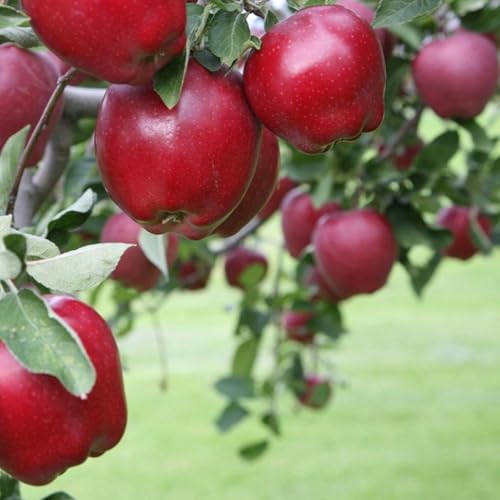
This semi-dwarf Red Delicious tree is intended for zones 4 through 8, with a chill requirement of roughly 800–1000 hours. It is not self-pollinating, so planting a compatible pollinator (like Gala or Granny Smith) nearby improves fruit set. Best for gardeners who want a compact apple tree with steady winter chill and reliable winter hardiness. A potential limitation is cross-pollination dependency; plan a second tree for fruit production.
Best for: home orchards with space for multiple trees; those who prefer a compact rootstock and moderate winter chill. Choose this if you want a sturdy, visually appealing tree with traditional Red Delicious fruit characteristics.
Arbor Day Foundation Red Delicious Apple Tree

This 1-gallon potted tree offers sweet, medium-to-large apples suitable for fresh eating, baking, or applesauce. It emphasizes ease of transplanting with established roots and fits well in small landscapes. However, keep in mind that CA, WA, and AZ residents may not be eligible due to agricultural laws. Best for: homeowners seeking a compact tree in a nursery pot with a focus on immediate fruit production and simple care. Better for those in compliant states who want reliable fruit flavor and versatility.
Red Delicious Apple Tree (Non-CA/AZ/AK/HI) 1 Gal

Notable for its classic deep red apples and five-pointed crown at the blossom end, this Red Delicious option suits fresh eating and processing needs. It is a 1-gallon nursery plant suitable for transplanting; however, shipping restrictions apply to certain states. Best for: buyers in compliant states seeking a simple, traditional Red Delicious with a straightforward growing profile. Limitations: regional shipping restrictions may require alternative providers or varieties in certain states.
American Plant Exchange Red Delicious Apple Tree

This live plant comes in a 1-gallon pot and emphasizes seasonal beauty alongside fruit bearing. The tree is described as adaptable to a range of climates in zones 4–8 and is positioned as a low-maintenance option suitable for beginners. Best for: landscape enthusiasts who want a visually appealing tree with edible yields. Caution: descriptions emphasize ornamental appeal, so verify fruiting performance in your location before relying on harvests.
American Plant Exchange Apple Tree ‘Semi Dwarf Fuji’

Although labeled as a semi-dwarf Fuji, this tree is highlighted for large, red-blushed apples with a juicy, sweet-tart profile. It grows best in zones 5–9, requiring full sun and well-drained soil. It is not self-pollinating, so planting with a compatible partner (e.g., Golden Delicious or Fuji) can improve yield. Best for: home orchards seeking a reliable, cold-hardy option with strong fruit quality. Limitation: ensure pollination partners are in proximity to maximize production.
Buying Guide
What to consider when choosing a Red Delicious semi-dwarf apple tree:
- Pollination needs: Red Delicious typically requires a pollinator nearby for good fruit set. Plan for at least one compatible partner in the same yard.
- Hardiness zone: Match the tree’s hardiness with your climate (zones 4–8 are common for these selections). Consider winter chill hours to ensure sufficient dormancy for fruiting.
- Planting size and spread: Semi-dwarf forms save space but still need room for canopy growth and sunlight. Check ultimate height and spread after mature.
- Soil and sun: Most varieties perform best in full sun with well-drained soil. Amend soil if needed to support root establishment in nursery pots and after transplanting.
- Care and maintenance: Some listings emphasize ornamental value or general maintenance. For fruit production, plan pruning, thinning, and regular feeding to optimize yields.
- Regional shipping restrictions: Several listings note state restrictions due to agricultural laws. Confirm eligibility before purchasing.
Frequently Asked Questions
- What is a semi-dwarf apple tree? A semi-dwarf apple tree is a smaller version of a standard tree, designed to stay within a limited height and width while still producing typical-size apples.
- Do Red Delicious apples need another tree to fruit? Yes, in most cases Red Delicious apples require cross-pollination with a second cultivar to maximize fruit production.
- What zones are best for Red Delicious semi-dwarf trees? Most options shown are suited for zones 4–8, depending on the variety and chill hours required.
- Can I plant these in pots? Several listings offer 1-gallon nursery pots—these can be transplanted outdoors, given proper soil and sun exposure.
- Are there shipping restrictions? Some products note state-specific restrictions (CA, AZ, AK, HI). Check eligibility for your location before purchase.
- How much space do these trees need when mature? Semi-dwarf varieties typically need moderate space; plan for a spread comparable to 8–15 feet depending on the cultivar and rootstock.