Looking for raised garden beds built from recycled materials? This guide highlights five options that emphasize recycled metal or other reused components. Each choice suits different garden sizes and planting needs, from deep-rooted vegetables to herb borders. The selections are best for durability, open-bottom drainage, and sustainable construction. The buyer profiles below explain who benefits most from each product.
| Product | Material Type | Size / Capacity | Best For |
|---|---|---|---|
| Tierra Verde 48-Inch x 48-Inch Raised Garden Bed | Recycled materials | 48″ W × 48″ L × 18″ H; up to 620 L (160 gal) | Deep-rooted veggies and patios or decks |
| Rakukiri Raised Garden Bed GRS Certified Recycled Metal (Grey) | GRS-certified recycled metal | 60 × 29 × 11 in; 68 gallons | Open-bottom, rust-resistant, mid-size beds |
| Best Choice Products 8x4x2ft Outdoor Metal Raised Bed | Metal (non-toxic materials) | 8 ft × 4 ft × 2 ft; 478-gallon capacity | Medium-to-deep root vegetables and herbs |
| Rakukiri Raised Garden Bed 4ft Galvanized Oval | Galvanized metal (recycled content) | 60 × 29 × 11 in; 68 gallons | Open-bottom design for robust root growth |
| Rakukiri Raised Garden Bed 6.5ft Oval | Galvanized metal (recycled content) | L78 × W29 × H11 in | Longer garden rows for vegetables and herbs |
Tierra Verde 48-Inch x 48-Inch Raised Garden Bed
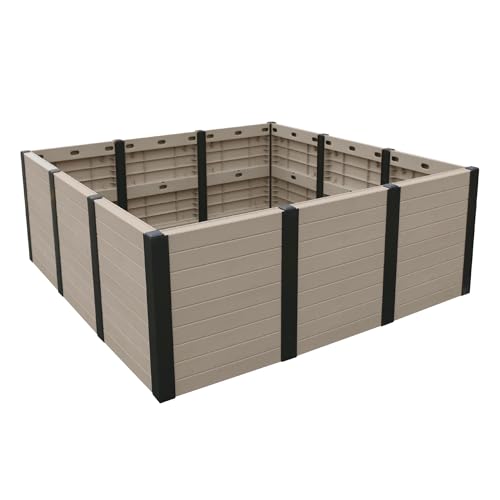
Material focus: recycled components designed into a spacious 48″ square cavity. Best for homeowners who want a large, accessible bed with a deep planting zone for tomatoes, peppers, and root vegetables. The expansive cavity supports deep-rooted varieties and allows more soil volume for robust growth.
Why this option: It combines a substantial growing area with a design that emphasizes recycled materials and a tool-free connect system for assembly. It is well-suited for patios or decks where space is prime and long-term durability matters.
Caution: The bed’s size requires adequate access space and a sturdy surface to ensure stable anchoring and even drainage.
Rakukiri Raised Garden Bed GRS Certified Recycled Metal (Grey)

Material focus: GRS-certified recycled metal with a 60″ × 29″ × 11″ footprint and 68 gallons of soil capacity. Best for gardeners seeking durable metal construction with a rust-resistant finish and an open-bottom design for deeper root access.
Why this option: The open bottom helps prevent waterlogging and supports nutrient uptake, making it versatile for vegetables, herbs, and flowers. It’s a strong choice for outdoor configurations with long-term durability in variable weather.
Caution: The open-bottom design requires careful placement on a surface that prevents soil erosion and keeps roots stable in windy locations.
Best Choice Products 8x4x2ft Outdoor Metal Raised Bed
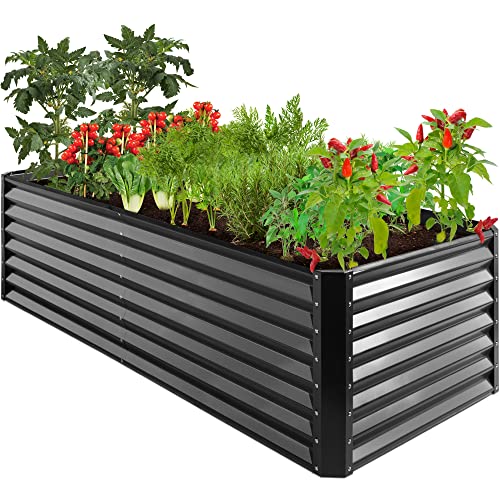
Material focus: metal panels crafted from non-toxic materials with bottom panel not included. Best for mid-sized gardens needing a sturdy, long-lasting frame with simple tool-free assembly.
Why this option: It supports medium to deep-rooting vegetables, with a sizable 478-gallon soil capacity. It’s a practical choice when a durable, easy-to-assemble bed is desired for seasonal veggie plots.
Caution: As the bottom panel is not included, ensure proper drainage and consider adding a bottom barrier if you want to reduce soil loss in windy conditions.
Rakukiri Raised Garden Bed Outdoor, GRS Certified 4ft Set

Material focus: GRS-certified recycled metal with an open-bottom, bottomless design and a 4-foot length. Best for gardeners who want two coordinated beds for companion planting or split-season crops.
Why this option: The open-bottom system promotes excellent drainage and deep nutrient access for roots, while the recycled metal construction supports longevity in outdoor use.
Caution: Ensure balanced weight distribution and consider anti-tip stabilization on uneven ground.
Rakukiri Raised Garden Bed 6.5ft Oval

Material focus: 0.8mm galvanized metal with an oval design and open bottom for robust root growth. Best for longer strips of vegetables or herbs where wind protection and consistent watering are concerns.
Why this option: The length enables a wider planting bed that accommodates a range of crops, with corrosion resistance and a structure designed for outdoor durability.
Caution: The larger footprint may require a stable, level surface and proper drainage planning.
Buying Guide: Key Considerations for Recycled-Material Raised Beds
Material origin: Look for beds labeled with recycled metal or Global Recycled Standard (GRS) certification to ensure recycled content and responsible production.
Open-bottom design: Open-bottom beds prevent water buildup and support deeper nutrient access, but require stable placement on a suitable surface.
Size and depth: Choose bed depth and overall footprint based on target crops. Deep-root vegetables need taller sides and more soil volume.
Durability: Galvanized steel and heavy-duty frames resist corrosion and weathering, offering longer lifespan in outdoor settings.
Assembly: Tool-free or minimal-assembly designs save time, but ensure the frame locks securely for safety and stability on decks or patios.
Surface and finish: Non-toxic finishes and coatings reduce chemical exposure for edible crops; verify PFAS status and California Prop 65 compliance where relevant.
Placement: Consider sun exposure, drainage, wind, and proximity to water sources when situating beds on decks, patios, or lawns.
FAQ
- Are beds made from recycled metal safe for vegetables? Yes, many recycled metal beds use non-toxic coatings and corrosion-resistant finishes suitable for growing vegetables and herbs.
- What is an open-bottom raised bed? It lacks a solid bottom panel, allowing better drainage and root penetration, but requires stable grounding and proper site planning.
- Which bed is best for deep-rooted crops? Larger, deeper beds (like the 60″ × 29″ × 11″ or 18″ tall models) are better for root crops such as carrots, beets, and potatoes.
- Do recycled-material beds require special maintenance? Regular cleaning, inspection of metal coatings, and ensuring drainage are usually sufficient for longevity.
- Can these beds be placed on concrete or wood decks? Yes, but ensure proper support, even weight distribution, and appropriate drainage to prevent moisture damage.
- Are there constraints on plant selections? Most metal beds support a wide range of vegetables and herbs; avoid crops that require extremely acidic soils unless adjusted with soil amendments.