If you need better soil structure for succulents, cacti, bonsai, orchids, or tropical plants, pumice is a top choice. This natural, inert aggregate improves aeration, drainage, and root health without altering soil pH. The following products are well-suited for potting mixes, raised beds, hydroponics, and root-cutting propagation. Each selection targets different buyer needs—from lightweight, easy-to-mix options to heavier, long-lasting substrates for heavier pots.
Summary table of selected products
| Product | Best For | Size | Notes |
|---|---|---|---|
| Sumloty Horticultural Pumice | Indoor/outdoor succulents and houseplants | 8 Quarts | Commonly used for potting mixes and propagation |
| NIPUCK 1/4″ Pumice | Long-lasting soil aeration and drainage | 2 LB | Non-floating, retains structure over time |
| Sumloty Pumice (3 Quarts) | Succulents, cacti, bonsai | 3 Quarts | Lightweight, versatile for mixes and hydroponics |
| The Bonsai Supply Pumice | Bonsai, orchids, tropicals | 2 Quarts | U.S.-sourced, granules sized for bonsai mixes |
| Gardenwise Horticultural Pumice | General potting mixes and bonsai | 1 Quart | Made in USA; good for seed starters and orchids |
Sumloty Horticultural Pumice for Plants

Best for general-purpose potting mixes where lightweight aeration matters. This 8-quart bag uses 1/4″ particles that mix easily into succulent, orchid, or vegetable soils. It’s sterilized and pH-neutral, helping prevent root rot by increasing drainage and air spaces. Ideal for container gardening, raised beds, and materials-heavy pots to support stronger root systems.
Who it’s best for: homeowners growing succulents or orchids in containers, gardeners building raised beds, or hobbyists doing cuttings propagation. Why selected: high volume at a reasonable price with consistent particle size for predictable mixing. Caution: some gardeners notice dust during handling, which is normal for natural pumice.
NIPUCK 1/4″ Pumice for Plants

Best for longer-lasting drainage and robust root systems in bonsai, orchids, and mixed containers. The 2-pound bag uses uniformly sized 1/4″ particles. It resists floating and crumbling, helping potting mixes stay loose and well-aerated over time. This makes it suitable for gardeners who want a stable medium that won’t break down as quickly as perlite.
Who it’s best for: those who want a medium-weight, durable pumice that remains in place in larger pots. Why selected: non-floating and long-lasting under typical watering conditions. Caution: some transit dust may appear but does not affect performance.
Sumloty Pumice for Plants (3 Quarts)

Best for compact, versatile applications in succulent and bonsai potting mixes. The 3-quart size provides flexibility to customize blends for different plant needs. Its 1/4″ particles promote rapid drainage while maintaining root oxygenation, reducing the risk of root rot in dense mixes.
Who it’s best for: hobbyists balancing multiple plant types in one collection, DIY soil-mix enthusiasts. Why selected: comparable quality to the larger bag with an easy-to-handle portion. Caution: ensure thorough rinsing if dust is noticeable from transit.
Mix Horticultural Lava Pebbles Pumice

Best for terrarium-style potting and cactus/succulent soil mixes that require excellent drainage. This gritty mix, made of volcanic rocks, supports well-drained substrates and can serve as a topdressing or core component in a porus blend. It’s particularly useful for growers wanting more texture in the surface layer and consistent water drainage.
Who it’s best for: growers creating gritty, well-drained mixes for dry-tolerant plants. Why selected: specialized texture for specific aesthetic and drainage needs. Caution: some users may prefer finer or coarser alternatives depending on plant size and pot type.
Pumice For Bonsai and More | The Bonsai Supply

Best for bonsai, succulents, and tropicals that need reliable drainage without compromising root growth. The 2-quart bag emphasizes a 1/4” particle size, which blends well with soil for bonsai pots and other small containers. It’s sourced for domestic use in the United States, supporting local supply chains.
Who it’s best for: bonsai hobbyists and terrarium gardeners seeking consistent particle size. Why selected: U.S.-sourced, which can be important for buyers prioritizing domestic materials. Caution: lighter weight might require deeper mixing in very shallow pots.
Sukh Horticultural Pumice Stone

Best for quick-starting planting projects where ready-to-use pumice is preferred. The 410-gram bag contains uniform particles of 5-10 mm diameter, suitable for succulents, orchids, and other plants sensitive to waterlogging. It’s designed to be spread into potting mixes without additional washing.
Who it’s best for: beginners and hobbyists who want immediate use without pre-washing. Why selected: balanced particle size for small to medium pots. Caution: smaller bags may require more frequent replenishment for larger setups.
Horticultural Pumice (14 Dry Quarts)

Best for larger mixes and heavy-duty soil amendments. The 14-dry-quart bag is a bulk option with a broad range of particle sizes from 3/8″ to 1/4″, designed to minimize fines. This is a good fit for larger containers or greenhouse bench mixes where you want long-lasting structure and drainage.
Who it’s best for: gardeners building large-scale soil mixes or custom blends that require substantial pumice content. Why selected: bulk quantity reduces frequent restocking. Caution: larger bags require more storage space and handling care to prevent dust dispersion.
Gardenwise Horticultural Pumice
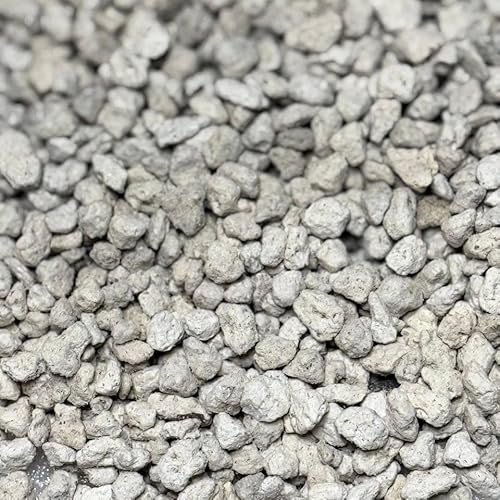
Best for organic-friendly setups and sensitive plantings like orchids or lithops. The 1-quart size provides a convenient option for small pots and seed-starting trays. Made in the USA, it supports domestic sourcing while delivering reliable drainage and aeration improvements to potting soils.
Who it’s best for: hobbyists focused on small pots or seed-starting projects. Why selected: USA-made with a focus on clean, natural pumice that’s suitable for sensitive plants. Caution: smaller quantity may necessitate more frequent replenishment for larger collections.
Buying Guide: Key Purchase Considerations
- Particle size matters: Most 1/4″ (6-9 mm) sizes work well for general potting mixes, while larger particles offer more drainage in heavier setups. Choose based on pot size and plant type.
- Weight and durability: Heavier pumice stays where you mix it; lighter options may float or shift in very wet conditions. If you move plants often, consider the heavier options.
- Purity and pH: Look for pumice described as natural, sterile, and pH-neutral to avoid unwanted chemical interactions with sensitive plants.
- Storage and quantity: For frequent repotting or mixed plant collections, bulk bags offer savings. For small collections, 1–3 quart bags are convenient.
- Domestic sourcing: Some buyers prefer U.S.-sourced pumice for support of local industry and consistent supply chains.
- Use case variations: For hydroponics, ensure the pumice is rinsed if heavy dust is noticed. For bonsai, finer control over drainage and root growth is often desirable.
FAQ
- What is pumice best used for in soil mixes?
It improves aeration and drainage, reduces soil compaction, and helps prevent root rot in various container plants.
- Can pumice replace perlite or vermiculite?
Pumice is a durable alternative that resists breakdown and floating, offering long-lasting drainage and aeration compared to perlite.
- Is pumice safe for orchids?
Yes, pumice is pH-neutral and porous, which supports orchid root systems when used in appropriate mixes.
- How should I store pumice?
Store in a dry, sealed container to prevent dust and keep it ready for future use.
- Do I need to rinse pumice before use?
Some bags may produce light dust; rinse if needed to remove excess dust, especially for hydroponic setups.
- Which product is best for bonsai?
Look for a 1/4″ particle size and a mix designed for bonsai or tropical plants; The Bonsai Supply and NIPUCK options are solid considerations.