Need a reliable bonsai potting mix that promotes drainage, aeration, and healthy root growth? This guide presents five top Amazon options that suit different bonsai styles and skill levels. Best for beginners is a ready-to-use pre-mixed blend, while others cater to experienced hobbyists seeking enhanced drainage or organic formulations. The buyer should consider plant type, pot size, and how often they water when choosing a mix. The table below compares the five chosen products at a glance.
| Product | |||
|---|---|---|---|
| Bonsai Soil All Purpose Mix (2 Quart) | Pre-mixed Bonsai Soil | Beginner bonsai lovers | Fast draining, balanced pH, locally sourced aggregates |
| Doter Premium Bonsai Soil Mix 1qt | All-natural blend | All bonsai species | Excellent drainage and aeration, universal compatibility |
| Agra Life Premium Bonsai Soil Mix (4 Quarts) | Organic blend | Indoor bonsai varieties | Optimal drainage, aeration, and safety for homes |
| Bonsai Jack Gritty Mix (2 Quarts) | Gritty mix for succulents and bonsai | Dry-foot bonsai and succulents | Fast draining, low moisture retention, pH optimized |
| Leaves and Soul Large Bonsai Mix (2.2 Quarts) | Professional bonsai mix | All bonsai varieties | Fast draining, supports root health and stability |
Bonsai Soil All Purpose Mix — Fast Draining Pre Blend
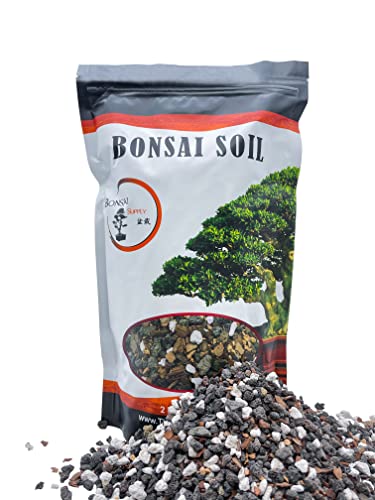
Best for: Beginners and hobbyists who want a ready-to-use bonsai soil that simplifies repotting. Why selected: This pre-mixed blend combines pumice, lava, calcined clay, and pine bark to deliver fast drainage and balanced moisture. It aims to support healthy root systems and nutrient uptake. Caution: Verify compatibility with your specific bonsai species if you rely on highly specialized substrates.
Doter Premium Bonsai Soil Mix — Enhanced Aeration

Best for: Bonsai enthusiasts seeking a universal, all-natural formulation. Why selected: A laboratory-tested blend including volcanic rock, pine bark, akadama, pumice, perlite, and coconut coir provides robust drainage and aeration for many species. Caution: As with any soil mix, adjust watering based on pot size and seasonal growth to avoid overwatering in some environments.
Agra Life Premium Bonsai Soil Mix — Organic Blend

Best for: Indoor bonsai that benefit from an organic-rich mix. Why selected: Designed for excellent drainage and aeration with an organic composition, suitable for Juniper, Ficus, and other common house bonsai. Caution: Organic blends may vary in texture; monitor soil structure as plants mature to prevent compaction over time.
Bonsai Soil by Perfect Plants — Premium All-Purpose Mix

Best for: Bonsai beginners and experienced growers needing reliable water management. Why selected: Multi-purpose organic blend designed to maintain moisture balance and drain excess water, suitable for conifers and broad bonsai varieties. Caution: Performance depends on pot size and plant species; adjust watering schedule accordingly.
Bonsai Jack Gritty Mix — Fast Draining
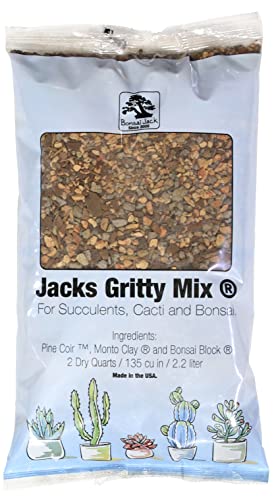
Best for: Bonsai owners who prefer a gritty, well-drained medium, especially for succulents or species requiring dryer feet. Why selected: This mix includes Bonsai Block, Monto Clay, and Pine Coir to promote airiness and quick drainage. Caution: It is drier by design; water more frequently in hotter climates or for moisture-loving species.
Omitgoter Bonsai Soil Mix — Quick Drainage

Best for: Bonsai trees that require excellent drainage and pH stability. Why selected: A formulation featuring akadama, lava rock, pumice, and bark aims to balance moisture and airflow. Caution: The specialized components require careful watering management to avoid under-watering in dry environments.
Professional Bonsai Soil Mix Ready to Use — 2.2 Quarts

Best for: All bonsai varieties that need robust root growth and stability. Why selected: A professional-grade blend designed to support strong root development, nutrient absorption, and long-term plant health in shallow containers. Caution: While versatile, some species may prefer slightly different drainage profiles; adjust mix or watering accordingly.
Buying Guide: Key Considerations For Bonsai Soil
- Drainage vs. moisture retention: Bonsai soils should drain quickly but retain enough moisture for steady growth. Gritty mixes and lava-based blends excel at drainage, while organic blends may hold more moisture.
- Soil structure and particle size: Fine textures suit small trees, while coarser mixes improve aeration for larger pots or vigorous species. Consider the pot size and tree root system when selecting.
- Organic vs. inorganic blends: Organic mixes support slow nutrient release but can compact over time; inorganic blends excel for rapid drainage and minimal compaction. Some mixes combine both for balance.
- Species and climate compatibility: Junipers, pines, ficus, and maples may prefer different drainage and pH profiles. Warmer climates may require quicker drainage to avoid root rot.
- Maintenance and repotting frequency: Pre-mixed options simplify repotting. For advanced setups, gritty mixes may require more attentive watering schedules but provide excellent root health.
Frequently Asked Questions
- What makes bonsai soil different from regular potting soil?
Bonsai soil is formulated for fast drainage, adequate aeration, and stable moisture, preventing root rot in shallow containers. It also supports precise nutrient and water management for long-term tree health. - How often should I repot bonsai soil?
Repotting frequency depends on species, pot size, and soil type, typically every 1–3 years for most bonsai. Monitor root growth and soil drainage to determine timing. - Can I mix these soils with potting soil?
It’s possible to blend them to achieve desired drainage and moisture balance. Start with small batches to test how your tree responds. - Is a grit-based mix better for succulents and bonsai?
Gritty mixes improve drainage and reduce moisture retention, which helps prevent root rot in drought-tolerant species and shallow bonsai pots. - Should I choose an organic or inorganic bonsai mix?
Organic blends provide nutrient sources but may compact over time; inorganic blends emphasize drainage and aeration. A balanced approach can combine both benefits. - Are there regional considerations for bonsai soil?
Local climate, water quality, and pot size influence soil choice. In humid regions, faster-draining mixes may prevent waterlogging; in arid regions, a mix that retains a bit more moisture can be helpful.