Searching for plants that create a natural privacy screen for your yard? This guide highlights five top selections that suit American climates, grow with vigor, and form dense barriers to block views. Each option includes best-use scenarios, spacing tips, and simple cautions to help you choose wisely. Ideal buyers include homeowners wanting quick coverage, DIY landscapers focusing on low maintenance, and those seeking living fences for windbreaks or noise reduction.
| Product | Best For | Approx. Height at Maturity |
|---|---|---|
| 1,000 Privacy Grass Seeds | Very fast-growing privacy along borders | Up to 10 feet |
| Thuja Green Giant Arborvitae (3 inch) | Evergreen, year-round screening | 20–40+ feet |
| Green Wall Willow Privacy Tree Cuttings | Dense, rapid living wall | Variable by planting |
| Shade Cloth 10×20 ft | Supplemental shade for screening plants | N/A |
| Nellie R. Stevens Holly | Evergreen privacy hedge with formal shape | 20–30 feet |
1,000 Privacy Grass Seeds for Planting
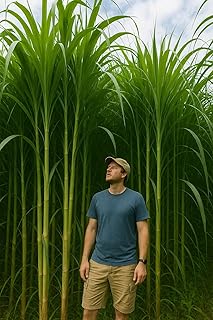
CZ Grain Store
- Best For: Quick, tall natural screen along fences or property lines. Excellent for creating a dense barrier in a single season.
- Why Selected: Rapid growth to impressive height makes it a leading option for homeowners aiming to block sightlines fast.
- Key Consideration: Annual or reseeding habit; ensure ongoing planting if you want year-to-year coverage.
The included features emphasize fast growth, height potential, and the dense growth needed for a cohesive barrier. A potential limitation is reseeding variability, which may require replanting to maintain uniform coverage over time.
Thuja Green Giant Arborvitae (3 inch, Lot of 3)
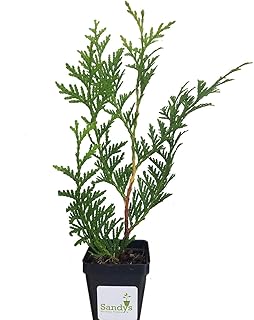
Nursery Online
- Best For: Reliable evergreen privacy screen that remains lush in all seasons.
- Why Selected: Naturally tall and dense when mature, providing year-round screening and a formal look.
- Key Consideration: Long-term commitment to space; these trees can become very large, so plan for growth and root spread.
Note: Selection is strong for enduring privacy, with a caution to manage eventual size and required spacing as they mature.
Green Wall Willow Privacy Tree Cuttings
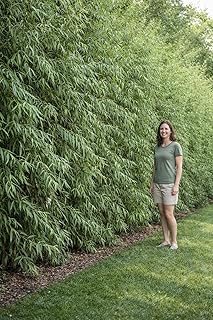
CZ Grain Store
- Best For: Ultra-fast privacy wall formed from live cuttings that root quickly.
- Why Selected: Cuttings enable rapid establishment and dense foliage for immediate screening benefits.
- Key Consideration: Willow cuttings require proper spacing (2–3 feet apart) and consistent moisture for fastest rooting.
Caution: Willow can be vigorous; provide adequate space to avoid encroachment on nearby structures or plants.
Shade Cloth 10×20 ft

QLOFEI Store
- Best For: Supplemental shade and protection for delicate screening plants in hot climates.
- Why Selected: Useful as a support tool to improve establishment and vigor of taller screening plants.
- Key Consideration: Not a visual barrier itself; use in combination with live screening plants for best results.
Limitation: Shade cloth does not provide direct privacy or windbreak unless used with plants; consider it as a growing aid rather than a primary screen.
Nellie R. Stevens Holly Tree

Greenwood Nursery Store
- Best For: A classic evergreen hedge with a formal silhouette and red berries for seasonal interest.
- Why Selected: Fast-growing evergreen with a pyramidal form that reduces pruning needs and creates consistent coverage.
- Key Consideration: Requires regular watering in the first year and occasional pruning to maintain shape.
Limitation: Mature height can reach 20–30 feet; ensure adequate space and consider zone compatibility for your area.
Buying Guide: Key Purchase Considerations
- Growth Speed vs. Longevity: For rapid privacy, consider grasses or willows; for year-round evergreen screening, arborvitae or hollies are strong choices.
- Climate and Zone Compatibility: Verify plant hardiness and irrigation needs to fit your local climate and rainfall patterns.
- Screen Height and Spread: Plan at least 2–3 feet of spacing for fast-growing options and 5–10 feet for more mature screens; account for eventual full height.
- Evergreen vs. Deciduous: Evergreens provide continuous coverage, while deciduous plants may offer seasonal privacy but shed leaves in winter.
- Maintenance and Pruning: Some species require regular shaping; others are low-maintenance but grow larger over time.
- Root System and Space: Large growing species require ample root space to avoid infrastructure conflicts; consider underground utilities and pavements.
- Aesthetics and Wildlife: Trees with berries or lush foliage can attract birds; consider local wildlife impacts and seasonal color.
Frequently Asked Questions
- Which plant grows fastest for privacy? Fastest-height growth is often seen with grasses like skyscraper/elephant grass and willow cuttings, followed by hardy evergreen trees such as arborvitae.
- Are evergreens better than deciduous plants for screening? Yes, because they provide year-round coverage, while deciduous plants lose leaves in winter and may lessen privacy seasonally.
- How tall should a privacy screen be at installation? It depends on your goal; common targets range from 6–8 feet for immediate privacy to 15–20 feet for a more substantial barrier.
- Do I need irrigation for fast-growing screens? Yes, especially in the first year, to ensure deep root establishment and consistent growth.
- Can I use shade cloth alone as a privacy screen? No; it should be used with live plants to form a true privacy barrier.
- What maintenance helps keep a screen dense? Regular mulching, proper pruning (where applicable), and consistent watering during hot or dry periods.