Ponds with fish benefit from carefully chosen plants that provide shade, natural filtration, and oxygenation. This guide highlights five practical options—ranging from floating cover to underwater oxygenators—that help balance nutrients, reduce algae growth, and create healthier habitats for fish. Each product includes core features to help you compare at a glance.
| Product | Brand | Type | Key Benefit |
|---|---|---|---|
| Floating Flowering Plant | AquaLeaf Aquatics | Floating aquatic plant bundle | Natural filtration, shade, fast growth |
| Water Spangle (Salvinia Minima) 12 Plants | Aquarium Plant Center | Floating plant | Low maintenance, surface coverage |
| Hornwort (Live Plant) 4 Bundles | Shore Aquatic | Submerged oxygenator | Oxygenation and water quality |
| Hornwort Coontail Bundle | Marcus Fish Tanks | Live aquatic plant | Oxygenation with current dynamics |
| Salvinia Minima 24 Plants | Aquarium Plant Center | Floating plant | Surface coverage and filtration |
| Summit Barley Straw Pond Treatment (2-Pack) | Summit | Natural pond treatment | Clear water and year-round maintenance |
Floating Flowering Plant Bundle

The Floating Flowering Plant bundle from AquaLeaf Aquatics combines natural filtration with tangible benefits for pond ecosystems. Surface-floating plants help control nitrates and ammonia, providing shade and shelter for fish, which can reduce stress and evaporation. With fast growth, this bundle quickly establishes a living barrier that lightens maintenance and supports broader pond health.
Water Spangle Salvinia Minima (12 Plants)

Salvinia Minima is a versatile floating plant that provides rapid surface coverage, offering shade that helps regulate pond temperature and limit algae growth. The 12-plant option covers modest surface areas efficiently and thrives in low to medium light. Note that extreme temperatures can affect availability, so this plant is best for temperate climates with stable conditions.
Hornwort Aquarium and Pond (4 Bundles)
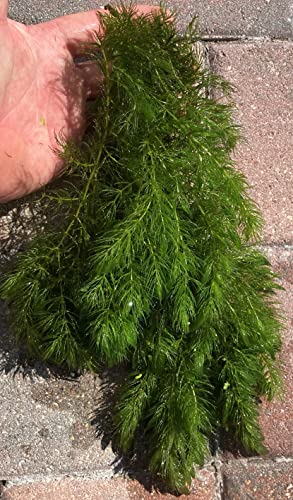
Hornwort is a robust oxygenator that thrives both floating and rooted in substrate. It contributes to higher oxygen levels through photosynthesis and helps maintain water quality by absorbing waste compounds. The plant’s natural motion also influences water current, adding a dynamic element to tank or pond ecosystems.
Hornwort Coontail (Live Plant) Bundle

This hornwort coontail bundle provides robust live plant coverage with a focus on oxygenation and water purification. Expect multiple stems in each bundle, with typical heights of 6–10 inches. Like all live plants, consider seasonal temperatures to protect plant health in colder months.
Salvinia Minima (24 Plants)

This larger Salvinia Minima set expands coverage and filtration quickly. Suitable for ponds needing swift surface shade, the plant is described as low to medium light tolerant and best used in freshwater environments. Maintain routine checks on temperature to avoid cancellation or shipping issues during extreme heat or cold.
Summit Clear-Water Barley Straw Pond Treatment (2-Pack)

Barley straw treatments have a long history of natural pond clarification. The Summit 2-pack is designed to keep water clear and promote healthy conditions for fish and plants alike. This option works best as part of a broader water-management strategy, not as a sole solution, and is suitable for ponds, fountains, and aquariums.
Buying Guide: Key Purchase Considerations
- Plant type and role: Floating plants provide shade and surface filtration, while submerged hornworts improve oxygenation and water quality. Consider mixing both types for balanced benefits.
- Climate and temperature: Some plants tolerate wide temperature ranges, but extreme cold or heat can affect survival. Choose species that align with your local climate and seasonal patterns.
- Light requirements: Most floating plants tolerate low to medium light, but verify your pond’s light exposure to ensure healthy growth and coverage.
- Maintenance needs: Floating plants often require regular thinning to prevent overgrowth; submerged plants may need occasional pruning for nutrient balance.
- Water quality impact: Plants contribute to nutrient cycling and ammonia/nitrate management. Pair plant selections with a routine filtration and partial-water-change schedule.
- Placement strategy: Use floating species to shade the surface and reduce algae, and anchor submerged plants where they can oxygenate near fish territories and provide habitat.
- Serviceability and availability: Live plants can be sensitive to shipping and temperatures. Choose reputable sources and consider alt-planting windows to minimize losses during transit.
- Safety for fish and wildlife: Avoid toxic or invasive varieties. Ensure that any plant you add won’t disrupt local ecosystems if ponds are connected to natural waterways.
Across these options, the goal is to create a diversified plant lineup that supports both water quality and fish welfare. Floating plants rapidly shade the surface and absorb excess nutrients, while submerged plants deliver sustained oxygenation and filtration. Monitoring and maintenance remain essential to sustain a healthy balance throughout the pond’s life cycle.