If you maintain a garden pond, choose plants that help filter water, shade fish, and enhance visual appeal. This guide highlights top floating and marginal pond plants suited for American ponds. It features options for beginners and experienced hobbyists, with notes on suitability for koi-friendly ponds and seasonal considerations.
Summary of selected products:
- AquaLeaf Aquatics Floating Flowering Plant Bundle (Water Hyacinth)
- AquaLeaf Aquatics Floating Plants (Water Lettuce)
- Chalily Water Hyacinth Floating Pond Plants (Hyacinth)
- AquaLeaf Aquatics Golden Water Poppies (Hydrocleys Nymphoides)
- Chalily Iris Black Gamecock (Water Iris)
Floating Flowering Plant Bundle With Water Hyacinth

Best for natural filtration and fast surface coverage, this live aquatic plant bundle helps reduce nitrates and ammonia while providing shade for pond inhabitants. The dense surface cover also aids in reducing evaporation. Choose this if you want a ready-to-go floating filter and habitat enhancement for small to medium ponds.
Key points: natural filtration, shade and shelter, fast growth. A caution: some climates may require acclimation to avoid stress during sudden temperature shifts.
Floating Water Lettuce For Ponds

This floating plant is ideal for beginners and water garden enthusiasts seeking natural biofiltration. It arrives ready to float and can brighten a pond while contributing to clearer water. Best for ponds needing easy maintenance and visible surface texture.
Best for: simple maintenance and natural filtration. Limitation: ensure plenty of sunlight for healthy growth and monitor for overgrowth in small ponds.
Chalily Water Hyacinth Floating Pond Plants

Best for fast growth and natural filtration, these common water hyacinths offer a robust floating root system that supports water clarity. They are well suited for beginners and koi-friendly ponds that benefit from rapid surface coverage.
Choose this if you want aggressive surface shading and nutrient uptake. A limitation: verify regional shipping restrictions, as some states have restrictions on this plant species.
Golden Water Poppies For Ponds
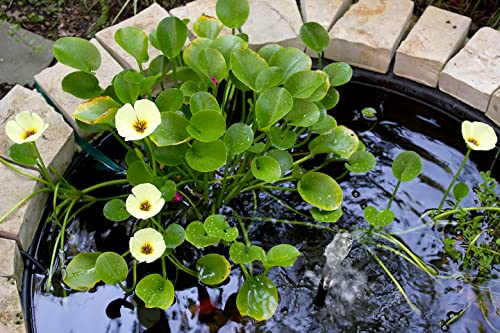
Best for visual interest and biofiltration, these hydrocleys varieties provide lilac blooms and a natural water-clearing role. They can float but perform best when planted in aquatic soil. Best for ponds that benefit from flowering accents and soft textures.
Limitation: extreme temperatures can affect live plants; follow climate guidance to avoid heat or cold stress.
Iris Black Gamecock Water Iris

Best for dramatic color and habitat structure, this dark-purple water iris adds vertical interest along pond margins. It provides filtration benefits and creates wildlife-friendly shelves and bog edges. Choose this if you want a striking focal point with natural filtration.
Limitation: suitability varies by pond depth and sun exposure; ensure appropriate planting depth for reliable growth.
Buying Guide: Key Factors For Choosing Pond Plants
What plant type fits your pond?
- Floating plants: quick coverage, surface shading, and nutrient uptake without soil. Use for rapid filtration and shade.
- Marginal and submerged plants: stabilize pond edges and improve water quality through root systems. Choose for deeper sections or natural filtration.
How much light and temperature does your pond receive?
- Most pond plants need full sun to partial shade. Extreme heat or cold can stress live plants, so follow supplier guidance on temperature ranges.
- Regional restrictions may apply to certain floating species. Check local regulations before ordering.
What is the pond size and fish population?
- For small ponds, start with fewer plants and monitor growth to avoid overgrowth. Larger ponds can support multiple species for balance.
- Healthy plant density supports water quality by providing shade and reducing algae growth, benefiting koi and goldfish alike.
Plant placement and care considerations
- Place floating plants on calm areas to prevent drifting into filters or pumps. Marginal plants do well along edges with shallow water.
- Regularly check for overgrowth and remove excess growth to maintain balance and access to equipment.
Seasonal and maintenance notes
- Be mindful of seasonal temperatures; protect or adjust care during extreme weather. Some plants require replanting or relocation in winter or extreme heat.
- Some plants may require acclimation after shipping; gradual introduction helps reduce stress.
Frequently Asked Questions
- Which pond plants are best for beginners? Floating plants like water lettuce and water hyacinth are forgiving, establish quickly, and provide natural filtration and shade.
- Do these plants work with koi ponds? Yes. Many listed options create shade and habitat while helping water clarity, though some species should be monitored for spread and environmental impact.
- Can I plant floating plants in soil? Floating plants generally do not require soil; many are bare-root or simply placed on the water surface to float.
- What if my climate is very hot or cold? Temperature guidance should be followed; some plants may need to be moved or protected during extreme weather.
- How do I prevent overgrowth? Regular pruning and monitoring help maintain balance and prevent plants from choking the pond surface or blocking pumps.
- Are these plants legal in all states? Some floating species may have regional restrictions; verify local regulations before purchase.