Direct answer: For trellis support, choose reliable plant ties that are gentle on stems, adjustable in length, and reusable. This guide highlights top options ideal for tomatoes, vines, and flowering plants. Whether you need Velcro-style wraps, nylon hook-and-loop straps, or twist ties, these picks balance hold with plant safety. Best for gardeners who want quick repositioning, durable long-term use, and simple storage between growing seasons.
The following table summarizes the five recommended products, including their best-use scenarios and key strengths. Use this at-a-glance guide to compare options before reading detailed sections.
| Product | Best For | Why It Stands Out | Limitations |
|---|---|---|---|
| VELCRO Brand Adjustable Plant Ties (75 ft) | Tomato cages and flexible trellises | Non-slip grip, gentle on plants, adjustable and reusable | May be longer than needed for very small setups |
| VELCRO Brand VEL-30071-USA ONE-WRAP (50 ft) | Vining plants on trellis | 65% recycled plastic, strong grip, easy repositioning | Shorter length than some competitors |
| CHZKVOY Nylon Plant Ties (6-inch) | Climbing plants and vines | Versatile, adjustable, durable nylon, reusable | Smaller strap length per tie; may need multiple pieces for long stems |
| 7Queen Plant Support Clips (100 pcs) | Sturdy stem and vine fixing | Wide clip usage, solid support, easy attachment | Clips are discrete but visible on plants |
| PGarden-EZ Twist Ties (All-Purpose, 328 ft) | General garden tying and organization | Long length, built-in cutter, easy to trim | Plastic-coated ties may be more rigid in extreme cold |
VELCRO Brand Adjustable Plant Ties
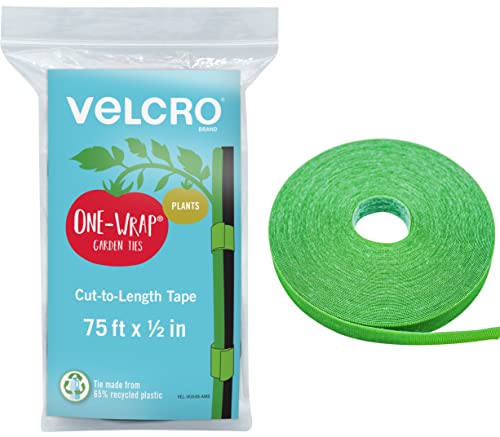
Best for adjustable, repeatable use on tomatoes or flowering vines. These ties are described as strong, with a non-slip grip that keeps plants supported without damaging them. The soft side won’t scratch stems, and the ties wrap onto themselves for secure holding. Repositioning as the plant grows is easy, making them a good choice for dynamic training patterns. A potential limitation is needing to cut only the desired amount; misjudging length may require re-wrapping.
Who it’s best for: Gardeners who want reliable, reusable ties that can be repositioned as plants grow, especially for tomatoes and stakes-based cages.
VELCRO Brand VEL-30071-USA ONE-WRAP Garden Ties

Best for sustainable garden setups with a focus on recycled materials. These ties are designed with a soft side that won’t scratch plants and offer a secure wrap around stems. They are particularly suitable for vining plants that need steady guidance on trellises. A noted limitation is their length; some users may prefer longer options for larger installations or multiple plants per trellis.
Who it’s best for: Eco-conscious gardeners aiming to reduce waste while maintaining strong plant support.
CHZKVOY Green, Reusable Nylon Plant Ties
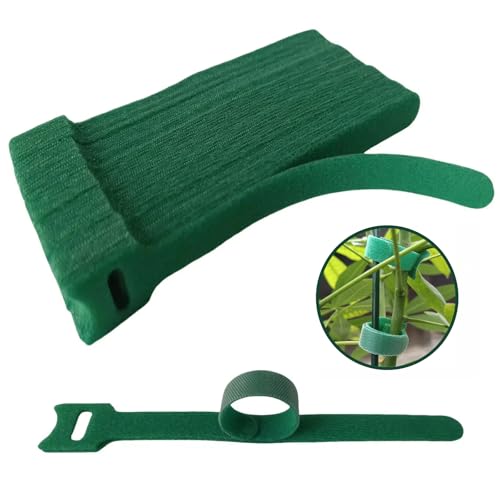
Best for versatile gardening needs beyond trellising. These nylon hook-and-loop ties are adjustable and reusable, with durability suitable for climbing plants such as tomatoes and grapes. The material is designed to be weather-resistant and easy to reposition as plants grow. A caution: ensure the loop is not overtightened, as excessive tension can affect delicate stems.
Who it’s best for: Gardeners seeking adjustable, long-lasting ties that can secure various vines and branches with minimal plant disturbance.
7Queen Plant Support Clips

Best for quick, clip-based support on stakes and trellises. The 7Queen clips are designed to secure stems and vines without heavy tying. They’re particularly useful for plants that require frequent training adjustments, such as orchid spikes, pepper plants, and flowering climbers. One limitation is that clips can be more visible on delicate foliage, and very small stems may require larger clip sizes for optimal hold.
Who it’s best for: Gardeners who prefer quick, clip-on support without tying, ideal for mixed plantings and delicate vines.
PGarden-EZ Twist Ties

Best for long-term garden organization with minimal maintenance. The package includes a built-in cutter for convenient length trimming, and the ties are designed to be easy to twist and reuse. The green coating helps them blend with foliage, reinforcing a discreet appearance. A caution is that some users may find the ties stiffer in very cold conditions, which can affect initial flexibility.
Who it’s best for: Gardeners who want a cost-effective, all-purpose tying solution with on-the-spot trimming capability.
Buying Guide: Key Considerations for Plant Ties And Trellis Support
What plant type requires the strongest hold?
Heavier stems like tomatoes and grapevines benefit from ties with a secure grip and adjustable length. Velcro-style ties and nylon straps provide steady support without cutting into stems.
How important is reusability?
Reusable ties save money and reduce waste. Look for ties that don’t damage plants when removed, and that can be repositioned without tools.
Which material suits your climate?
Plastic-coated ties resist moisture and corrosion, making them suitable for outdoor use. Nylon ties offer durability and flexibility but ensure they are UV-stable to prevent degradation over time.
Is ease of installation a priority?
Tie options with built-in cutters or twist-and-wrap designs save time and reduce the need for scissors. Clip-based solutions provide quick adjustments on busy days.
How discreet should the solution be?
Coated or green-toned ties blend with foliage, while larger clips may be more visible. Choose based on aesthetic preferences and plant exposure needs.
Are there sustainability goals?
Products using recycled materials support eco-friendly garden practices. Consider items labeled as reusable and with recycled content when possible.
Frequently Asked Questions
Q1: What is the best type of tie for tomatoes?
Velcro or nylon ties with gentle gripping surfaces are typically best for tomatoes, allowing adjustments as plants grow without injuring stems.
Q2: Can I reuse plant ties for multiple seasons?
Yes. Reusable ties are designed to last through repeated seasons, so store them properly after harvest or as growth slows.
Q3: Do ties require cutting tools?
Some options include built-in cutters for convenience, while others rely on scissors. Choose based on your preference for trimming efficiency.
Q4: Are clip-based supports safer for delicate plants?
Clips offer quick adjustments and less tying pressure, which can be gentler for thin stems, but may require more frequent repositioning as plants grow.
Q5: How do I avoid damaging stems with ties?
Ensure ties are snug but not tight. Leave space for growth and regularly inspect stems for any signs of constriction.
Note: This article provides guidance based on product features and intended uses. It does not include user reviews, warranties, or certifications, and does not claim ratings or testing results.