Answering the common aquarium hobbyist question, root tabs are a practical way to feed aquatic plants directly at the root zone. This guide highlights five reliable root tab products to suit different tank setups and plant densities. Best for beginners seeking easy, consistent growth are root tabs with clear dosing. For advanced setups with dense carpeting or high-light plants, select tabs that deliver balanced macro- and micro-nutrients over time. The following table provides a quick comparison of each recommended product.
| Product | Brand | Best For |
|---|---|---|
| Seachem Flourish Tabs Growth Supplement — 40 ct | Seachem | Root-focused nutrition for a wide range of aquarium plants |
| API ROOT TABS Freshwater Plant Fertilizer — 0.4 oz, 10-Count | API | Stable, convenient for moderate plant density |
| ThriveCaps Aquarium Root Caps — 60 Count | NilocG Aquatics | Long-lasting nutrient supply for robust growth |
| FZONE Root Tabs — 60 g | FZONE | Balanced NPK with safe use for fish and shrimp |
| MagTool Root Tabs — 70 g | MagTool | Slow-release nutrients for steady, long-term growth |
Seachem Flourish Tabs Growth Supplement — 40 Count

Best for: planted tanks needing direct root-zone nourishment across a broad plant set. These tabs provide essential trace elements, amino acids, vitamins, and a time-release nutrient profile when inserted into gravel. They are rich in iron, manganese, magnesium, calcium, potassium, and other beneficial factors for root growth. Selection reason: high versatility for diverse plant species and reliable root absorption. Limitation: some tanks may require additional liquid fertilizers if heavy nutrient uptake occurs.
API ROOT TABS Freshwater Plant Fertilizer — 10-Count

Best for: freshwater setups seeking a simple, straightforward root-tab solution. Contains essential nutrients including iron, potassium, and carbon to promote strong root development. Selection reason: compact 0.4-ounce box offers convenient, predictable dosing for moderate plant density. Limitation: marketing notes emphasize root focus; for high-light or densely planted tanks, pairing with a comprehensive fertilizer plan may be beneficial.
ThriveCaps Aquarium Root Caps — 60 Count

Best for: hobbyists wanting a comprehensive, all-maps-root tab solution. ThriveCaps claim to include all necessary micro and macro nutrients in a single tab, designed to support thriving growth. Selection reason: claimed completeness of nutrients for rooted plants. Limitation: may require monitoring when introducing new tabs to avoid nutrient surges in sensitive tanks.
FZONE Root Tabs — 60 g
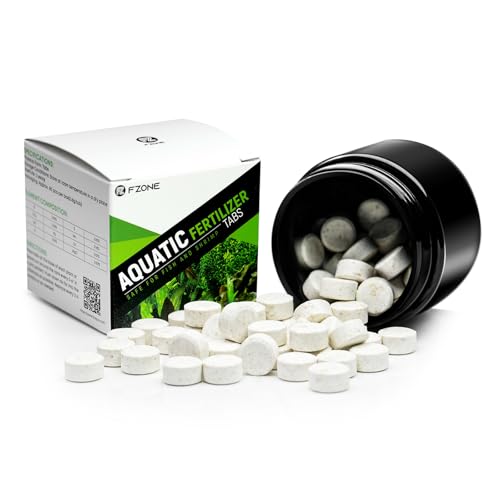
Best for: beginners and intermediate aquarists seeking a stable, slow-release option that supports a range of plants. The product emphasizes a balanced NPK ratio and direct-to-root delivery for quick uptake. Selection reason: designed for safe use with all fish and shrimp, and for maintaining water quality. Limitation: long-term performance can depend on substrate and plant density, so some tanks may need periodic reapplication.
MagTool Root Tabs — 70 g
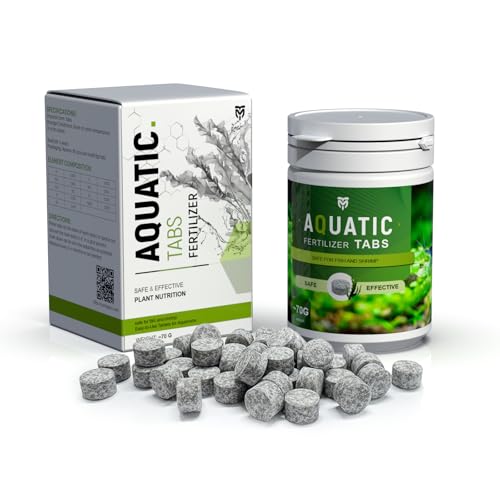
Best for: planted tanks needing strong, slow-release nutrition with stable water conditions. MagTool highlights complete root nutrition and slow-release technology for 2–3 months of nourishment. Selection reason: long-lasting supply reduces maintenance frequency. Limitation: may not deliver as much immediate boost as some high-nitrogen tabs in lush-replant scenarios; plan dosing accordingly.
Buying Guide
What should you consider before choosing root tabs? Start with tank size, plant density, and substrate type. For small tanks (5 gallons or less) a few tabs per week can meet plant needs, while larger tanks may require more tabs or a longer dosing period. Consider the NPK balance: a higher potassium level often supports lush foliage, but too much nitrogen or phosphorus can impact water quality. If your substrate is nutrient-poor or sand-based, root tabs are particularly beneficial for delivering nutrients directly to roots. Safety for fish and invertebrates is crucial; choose products labeled safe for the species you keep.
How do you apply root tabs effectively? Place tabs directly into the substrate near plant roots, spacing tabs evenly to avoid localized nutrient hotspots. A common approach is 5 tabs for a 5-gallon tank, 10 tabs for a 10-gallon tank, adjusting by 1–2 tabs based on plant density. Observe plant response over 2–4 weeks before increasing dosage. Some tabs may create a temporary white suspension in the water; this is normal and typically dissipates within hours as nutrients release.
Do you need a combination with liquid fertilizers? Yes, for high-demand plants or high light, supplementing root tabs with a balanced liquid fertilizer can support foliage growth and color. If you have heavy feeding plants like stem plants with rapid growth, monitor the tank to avoid nutrient buildup and algae blooms. Always follow product dosing guidelines and adapt to your aquarium’s bio-load and plant mix.
FAQ
- What are root tabs used for? Root tabs deliver nutrients directly to plant roots, supporting steady growth and health in rooted aquatic plants.
- How many tabs should I use per gallon? A typical guideline is 1 tab per 1–2 gallons for dense planting, but follow the product’s recommended dosing and adjust based on plant density and tank volume.
- Are root tabs safe for fish and invertebrates? Most tabs are designed to be safe, but always check labels and avoid over-dosing in small or delicate tanks.
- Can I use root tabs with sand substrate? Yes; root tabs are particularly helpful in nutrient-poor sands by delivering essential elements directly to roots.
- Should I pair root tabs with liquid fertilizers? In high-demand setups, pairing can optimize growth; monitor for algae and water quality to adjust dosing.
- How long do root tabs last? Many tabs release nutrients over 1–3 months; refer to product specifics for exact durations.