Plant growth regulators (PGRs) can help lawn managers reduce mowing, improve turf quality, and boost drought or stress resilience. This guide highlights five high-potential options, suitable for homeowners with difficult-to-mow areas, golf-course-like turf managers, and anyone looking to optimize lawn maintenance. Each product section explains who benefits most, why it’s selected, and practical cautions to consider.
Summary table of selected products:
| Product | Best For | Why It Stands Out | Notes |
|---|---|---|---|
| Primo Maxx Plant Growth Regulator | Home lawns with difficult-to-mow zones | Trusted active ingredient; reduces mowing and water use over multiple applications | Best-known option for residential lawns |
| Quali-Pro T-Nex Plant Growth Regulator | Managed turf and golf course greens | Broad turf compatibility and stress tolerance benefits | 128 oz bottle fits medium-to-large areas |
| Atticus Pramaxis MEC Plant Growth Regulator (1 Gal) | Large lawns and frequent mowing areas | 11.3% trinexapac-ethyl; proven stress tolerance and root growth | Ideal for frequent mowing |
| The Andersons Governor G Granular Lawn Growth Regulator | Smaller yards needing partial growth reduction | Granular form with clear growth reduction and root emphasis | Up to 50% growth reduction |
| Atticus Travek 2 SC Plant Growth Regulator (128 OZ) | Prolonged growth control for Poa suppression | Paclobutrazol-based for extended window | Great for Poa control in cool-season lawns |
Primo Maxx Plant Growth Regulator
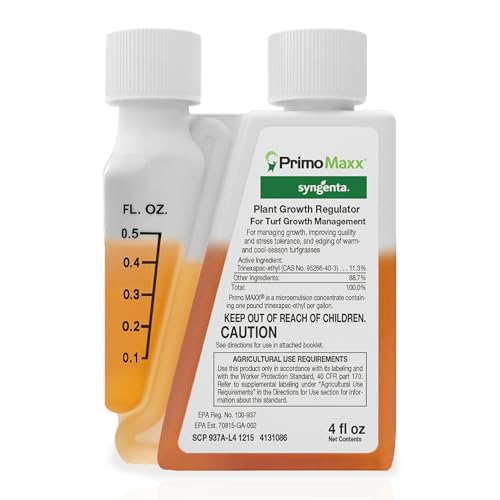
Brand: Syngenta
Key features: Useful in managing difficult-to-mow areas and can minimize edging turfgrass; multiple applications reduce water use and improve drought tolerance.
Best for: Home lawns with tough-to-mow zones and water-saving goals. Why selected: It’s a trusted, widely used PGR with practical applications for reducing mowing frequency while supporting drought resilience. Caution: Like all PGRs, follow label directions to avoid over-application in stressed periods.
Quali-Pro T-Nex Plant Growth Regulator (Primo Maxx) 128oz
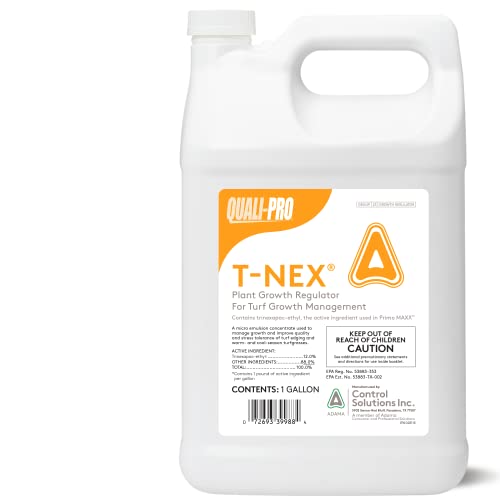
Brand: Quali-Pro
Key features: Manage growth and improve quality and stress tolerance of warm- and cool-season turf grasses; improves color, root mass development; suitable for turf and golf courses.
Best for: Managed turf settings and golf courses seeking balanced growth control and turf quality. Why selected: Broad compatibility and clear benefits for color, root development, and blade health. Caution: Performance depends on proper application timing and site conditions.
Atticus Pramaxis MEC Plant Growth Regulator (1 Gal)

Brand: Atticus
Key features: 11.3% trinexapac-ethyl; modern PGR used for long-standing growth management; promotes below-ground root and rhizome growth for improved root mass and turf quality; reduces labor by slowing vertical growth.
Best for: Large lawns and frequent mowing areas needing robust growth regulation. Why selected: Proven professional-grade ingredient with durable growth suppression and root support. Caution: Requires adherence to label rates and application timing for best results.
The Andersons Governor G Granular Lawn Growth Regulator
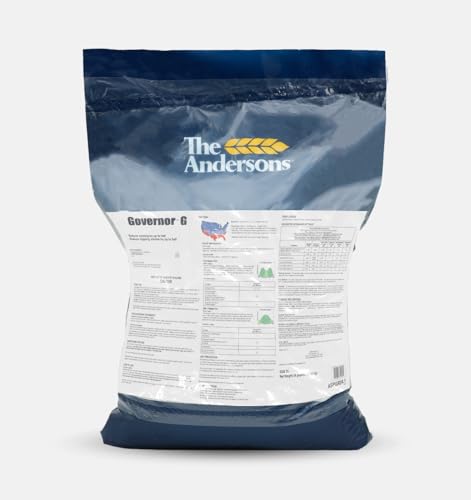
Brand: The Andersons
Key features: Reduces grass growth by up to 50%, allowing less mowing and maintenance; redirects growth energy into roots to improve density, durability, and color.
Best for: Small to mid-sized lawns that want noticeable mowing reductions without complex timing. Why selected: Granular format offers convenient, easy-to-apply options. Caution: Effectiveness depends on uniform distribution and soil conditions.
Atticus Travek 2 SC Plant Growth Regulator for Lawn (128 OZ)

Brand: Atticus
Key features: Paclobutrazol 22.9%; extended window of slowed vertical growth and Poa annua suppression; reduces mowing needs with long-lasting regulation.
Best for: Lawns dealing with Poa annua outbreaks or requiring longer intervals between mowings. Why selected: Strong Poa suppression capability and extended effect. Caution: Paclobutrazol-based products may require precise timing for optimal results; avoid application during stress peaks without guidance.
Buying Guide
What should I consider when choosing a lawn PGR?
- Budget and area size: Larger lawns may benefit from bulk liquids or granular forms for easier coverage.
- Grass type and climate: Some products perform better on warm-season grasses, others on cool-season varieties.
- Growth reduction goals: Decide whether you want moderate reduction, Poa suppression, or root-focused benefits.
- Labor and maintenance: Consider how often you mow and how much labor you want to save.
How do growth regulators affect lawn health?
PGRs slow vertical growth, which reduces mowing frequency. They can redirect energy toward roots and crowns, improving density and stress tolerance when used with proper cultural practices such as proper irrigation and fertilization.
Application timing and safety considerations
- Apply only as directed by the product label to prevent turf stress or damage.
- Consider soil moisture and recent weather; avoid applications during extreme heat or drought unless recommended.
- Wear appropriate protective gear and follow storage guidelines.
Best practices for selecting a product
- Match product strength to lawn size and mowing schedule.
- Choose a formulation (liquid vs granular) that aligns with your typical application method.
- Look for products with active ingredients compatible with your turf type and maintenance plan.
Frequently asked questions
- What is the main purpose of a lawn PGR? Answer: To slow vertical growth, reduce mowing, and improve turf quality and stress tolerance when used with good cultural practices.
- Can I mix PGRs with fertilizer? Answer: Follow label recommendations; some combinations are approved, while others may cause turf stress.
- How long does a PGR effect last? Answer: Duration varies by product and formulation, from several weeks to months, depending on conditions and rate.
- Is a PGR suitable for every lawn? Answer: Not always; consult label instructions for compatibility with your grass type, climate, and use site.
- Do I need to water after applying a PGR? Answer: Most products require watering as directed to activate the active ingredient and ensure even distribution.
- What signs indicate I should stop using a PGR? Answer: Turf shows unusual coloration, wilting, or persistent stress; discontinue and reassess cultural practices.