Answering the question: what pesticide is safe for plants? This guide highlights plant-safe products that target common pests without harming edible crops or beneficial species. The top picks are suitable for organic gardening, home gardens, and indoor plants. This overview helps buyers choose products based on pest type, plant needs, and application scope. Below is a quick summary table of five recommended products to compare at a glance.
| Product | Best For | Key Benefit |
|---|---|---|
| Garden Safe Insecticidal Soap | Soft-bodied pests on a wide range of plants | Ready-to-use spray with direct contact action |
| Trifecta Crop Control (32 oz) | Spider mites, aphids, whiteflies, powdery mildew | All-natural, plant-based formula with fungicidal and insecticidal action |
| Garden Safe Fungicide 3 (32 oz) | Fungal diseases plus insect/mite control | Three-in-one product with neem oil for organics |
| Garden Safe Houseplant & Garden Insect Killer | Houseplants, home gardens, edible crops | Kills 100+ listed insects on contact, day-of-harvest use permitted |
| Trifecta Crop Control Insecticidal Soap (32 oz, 2 pack) | Indoor and outdoor plants, soft-bodied pests | Biodegradable, residue-free spray with quick drying |
Garden Safe Insecticidal Soap Insect Killer

Best for: Home gardeners seeking a ready-to-use soap against soft-bodied pests. This product is designed for organic gardening and can be used indoors, outdoors, or in greenhouses on vegetables, fruit trees, ornamentals, shrubs, and flowers. It kills pests primarily through contact, so thorough coverage is essential. It may be applied up to the day of harvest on edible crops.
Why selected: It provides a simple, no-mix solution with clear organic-use guidance. The underside of leaves and all plant parts should be sprayed for effective control. Best for those who want a quick, direct-contact treatment without rinsing.
Caution: Direct contact with leaves is required for control; missed pests may reduce effectiveness. Avoid applying during extended heat or drought stress to plants.
Trifecta Crop Control Ready to Use
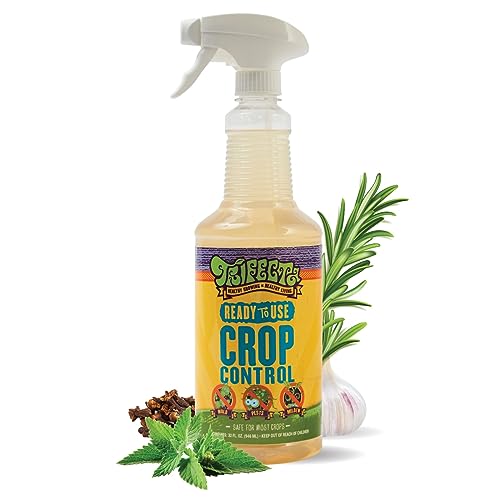
Best for: Integrated pest management in outdoor gardens and indoor plants, addressing spider mites, powdery mildew, and other pests. This all-natural plant-based formula is safe for edible crops and designed to be residue-free after drying.
Why selected: Combines pest control and fungal protection in one spray, reducing the need for multiple products. Its gentle formulation minimizes disruption to beneficial insects when used as directed. The product is suitable for organic gardening and broad plant types.
Caution: Always apply evenly to all plant surfaces and avoid oversaturation, which can cause run-off or leaf burn in sensitive varieties.
Garden Safe Fungicide3

Best for: Gardeners needing fungal disease prevention alongside insect and mite control. Neem oil in Fungicide3 provides organic-friendly action, supporting prevention of black spot, rust, and powdery mildew on a variety of plants.
Why selected: Three-in-one product status helps simplify treatment plans. Neem oil acts as a natural component that complements insecticidal and miticidal effects while supporting plant health.
Caution: Neem oil can cause foliar phytotoxicity on some young or stressed plants; test on a small area first and apply during cooler parts of the day to reduce risk.
Garden Safe Houseplant & Garden Insect Killer

Best for: Home gardens and houseplants needing broad-spectrum, contact-based control. This product is labeled for use up to day of harvest on edible crops and can be used in homes, home gardens, and greenhouses.
Why selected: It targets 100+ listed insects on contact, offering broad coverage in a single spray. It is convenient for quick, on-the-spot treatments on diverse plant types, including edible crops.
Caution: As with many contact killers, repeated applications may be required for long-season pest pressure; monitor for any regrowth and reapply as directed.
Trifecta Crop Control Insecticidal Soap (32 oz, 2 Pack)
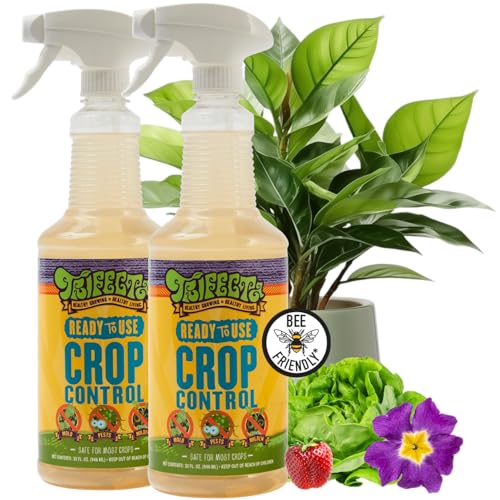
Best for: Indoor and outdoor plants needing quick, residue-free control of soft-bodied pests. The two-pack option supports larger gardens or multiple plant groups that require consistent treatment intervals.
Why selected: Plant-based formula targets pests like spider mites, whiteflies, and aphids with a fast-drying, residue-free finish. Suitable for homes and grow spaces that require regular sanitation without harsh chemicals.
Caution: As with other soaps, avoid applying in the hottest part of the day; test on sensitive foliage first to ensure no leaf burn.
Buying Guide: Key Considerations For Plant-Safe Pesticides
- Pest type and life stage: Identify whether you face eggs, larvae, adults, or fungal diseases to choose a product that targets that stage.
- Timing and harvest: Check whether the product is labeled for day-of-harvest use if you’re growing edibles.
- Plant type and sensitivity: Some plants react to neem oil or soap sprays; test on a small area before wide application.
- Indoor vs. outdoor use: Ensure the product is appropriate for use in homes, greenhouses, or outdoor gardens as labeled.
- Residue and safety: For edible crops, prefer products with residue-free formulas and clear organic compatibility.
- Environmental impact: Biodegradable and plant-based formulations are generally better for organic gardening and beneficial insects when used properly.
- Application guidelines: Thorough coverage is crucial for contact sprays; follow label directions for mixing (if applicable), coverage, and reapplication intervals.
Frequently Asked Questions
- What makes a pesticide safe for edible plants? Answer: Products labeled for organic gardening and that permit use up to the day of harvest are typically safer for edible crops, provided you follow label directions.
- Can I mix these products with other sprays? Answer: Do not mix unless the label explicitly allows it. Mixing incompatible products can reduce effectiveness or harm plants.
- Are soap-based sprays effective on all pests? Answer: Soap sprays work best against soft-bodied insects; some pests and fungi require fungicides or miticides for control.
- Is neem oil considered safe for indoor plants? Answer: Neem oil is generally safe for many indoor plants when used as directed, but some sensitive varieties may react; test first.
- How often should I reapply after a visible pest hit? Answer: Follow the label’s reapplication interval; environmental conditions and pest pressure influence frequency.
- Should I avoid using these products in direct sunlight? Answer: Many labels advise applying during cooler times of day to reduce leaf burn and maximize efficacy.