When protecting edibles, choose pesticides that target common garden pests without harming vegetables, pollinators, or soil. This guide highlights five products that are well-suited for vegetable gardens, detailing who should use them and why. Best for home gardeners seeking easy-to-apply options, organic enthusiasts, and those guarding edible crops from pests like aphids, mites, and caterpillars.
| Product | Best For |
|---|---|
| BioAdvanced Organics Tomato, Vegetable & Fruit Plant Bug Spray | Organic-edible crops, quick curative control |
| Trifecta Crop Control | Indoor/outdoor plants, fungicide and insecticide combo |
| Natria Neem Oil Spray | Multi-purpose pest and disease prevention |
| Sevin Insect Killer Ready to Use | Broad-spectrum, quick knockdown |
| Garden Safe Insecticidal Soap | Organic gardening, gentle contact control |
BioAdvanced Organics Tomato, Vegetable & Fruit Plant Bug Spray
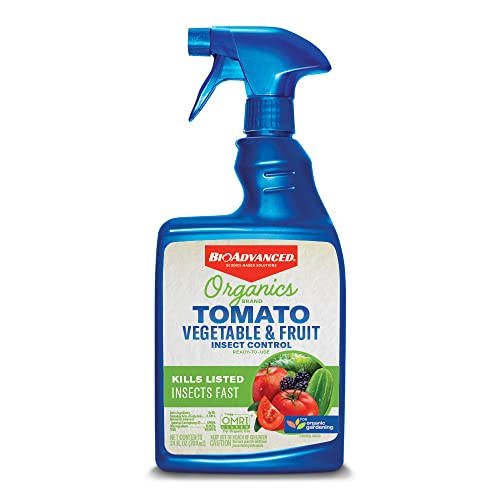
This ready-to-use spray provides fast contact kill for common pests on edibles, including organic tomatoes. It delivers curative control for powdery mildew and is designed for use on vegetables, fruit and nut trees, citrus, berries, herbs, and container-grown plants. Best for home gardeners needing quick-acting pest relief on edible crops.
Best for: Organic-minded gardeners who want a ready-to-use solution with visible pest knockdown and mildew mitigation. Choose this if you grow tomatoes or other edibles and prefer a single product for both insect and fungal issues.
Limitation: It relies on contact action; thorough coverage is necessary for effective control of pests hiding on undersides of leaves.
Trifecta Crop Control Ready To Use Maximum Strength
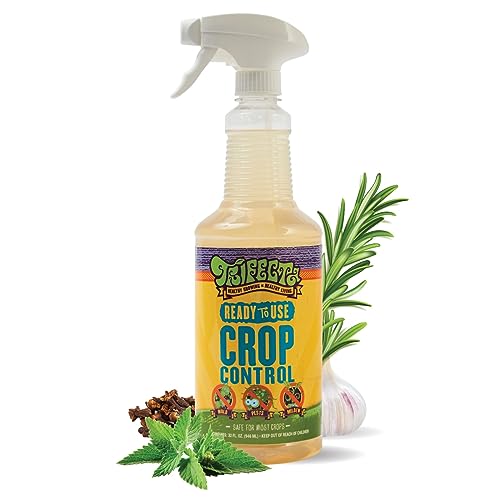
Trifecta Crop Control is a broad-spectrum, all-natural formula that targets spider mites, aphids, whiteflies, and other soft-bodied pests, while also acting as a fungicide to combat powdery mildew and Botrytis. It is designed for indoor and outdoor use and is described as safe for edible crops and beneficial insects when used as directed. Best for gardeners seeking a plant-based alternative with both insecticidal and fungicidal properties.
Best for: Organic or eco-conscious growers who need a multi-action spray that can address both pests and fungal diseases in vegetable patches and houseplants. Choose this if you want a non-synthetic option with broad coverage.
Caution: The product is concentrated; follow label directions for dilution and avoid over-application to prevent leaf burn on sensitive plants.
Natria Neem Oil Spray for Gardening

Neem oil acts as both an insecticide and fungicide, providing broad coverage against aphids, whiteflies, spider mites, scales, and more. This ready-to-use formula requires no mixing and is suitable for houseplants and outdoor gardens. It also helps prevent diseases such as powdery mildew and Botrytis, making it a versatile choice for ongoing disease management in vegetable setups.
Best for: Gardeners wanting a gentle, multi-use product that can tackle insect pests and fungal diseases without high toxicity risks. Choose this if you prefer a natural oil-based solution that supports ongoing plant health.
Limitation: Neem oil can have a slower knockdown effect compared with contact insecticides; early application is important for best results.
Sevin Insect Killer Ready to Use

Sevin Insect Killer provides rapid knockdown against a broad range of listed pests, including pests that affect roses and edibles. It is a ready-to-use product designed for direct application and offers immediate protection after treatment. Best for: Gardeners seeking quick, visible results against a wide spectrum of garden pests.
Limitation: Being broad-spectrum, it may impact non-target insects if misapplied; use targeted sprays on affected plant parts and avoid blooming or pollinator-rich periods.
Garden Safe Brand Insecticidal Soap

Insecticidal soap delivers contact control by coating insect bodies, suffocating soft-bodied pests. It is suitable for organic gardening and can be used indoors, outdoors, and in greenhouses on vegetables, fruit trees, and ornamentals. Effective up to the day of harvest when used as directed. Best for: Home gardeners needing a contact-only, organic-compatible option for immediate control of soft-bodied pests.
Limitation: It requires thorough coverage to ensure effectiveness; pests not directly contacted may survive.
Buying Guide
What should you consider when choosing a pesticide for vegetable plants?
- Target pests: Identify the common threats in your area (aphids, mites, caterpillars, whiteflies) and pick a product that lists those pests.
- Plant safety: For edibles, choose products labeled for use on fruits and vegetables. Look for organic or plant-based formulations if you prefer minimal synthetic inputs.
- Mode of action: Decide between contact killers (require direct spraying) and systemic or preventive products (offer longer protection in some cases).
- Ease of use: Ready-to-use sprays save mixing time; concentrates can be more economical but require dilution and careful handling.
- Harshness vs. beneficials: Broad-spectrum products work fast but may affect beneficial insects. Consider targeted or selective options when pollinators are active.
- Residue and harvest timing: Check label guidance on safety windows before harvest to avoid residue concerns.
FAQ
- Q: How do I know which pesticide is best for my vegetable garden?
A: Start by listing the pests you see, confirm they’re listed on the product label, and choose a formula labeled for vegetables and edible crops. - Q: Can I mix multiple pesticides for better protection?
A: Do not mix unless the label explicitly allows it; mixing can cause chemical interactions or plant damage. - Q: Are organic pesticides effective for heavy infestations?
A: Organic formulations can be highly effective when applied correctly, but may require more frequent applications and thorough coverage. - Q: How soon can I harvest after application?
A: Follow the label’s harvest interval guidance to ensure safety and optimal taste. - Q: Should I protect pollinators when spraying?
A: Apply pesticides during early morning or late evening when pollinators are less active, and target the plant parts with pests to minimize exposure. - Q: What about resistance or repeated use?
A: Rotate products with different modes of action to reduce pest resistance and maintain effectiveness over time.