Answering the core buyer question: which outdoor enclosure best protects a portable generator while keeping noise, weather, and theft risks in check. This guide highlights five sturdy options and explains who each is best for, plus practical trade-offs. Ideal for outdoor enthusiasts, job sites, RV travelers, and homeowners needing reliable generator shelter.
Summary of chosen products:
| Product | Best For | Key Benefit | Limitations |
|---|---|---|---|
| HUDSON Hudson Generator Box | Extreme weather protection and quiet operation | Heavy-duty SD aluminum, integrated cooling fan, noise reduction | Overkill for very small generators |
| GENSHED GCE | Running and storage in one setup | Flip covers for easy switch between running and storage | May require space and setup time |
| Draviple Heavy Duty Box | Rugged, weatherproof storage | Reinforced steel, sound-reducing insulation, ventilation | Heavier and bulkier |
| GENARMOR GenArmor Tent | All-weather running enclosure | 100% waterproof, durable frame, quick refueling access | Could be bulkier for small spaces |
| peastorm Lockable Box | Secure outdoor protection | Lockable, vented with cooling fan | Standard footprint; not ideal for largest units |
HUDSON SD Aluminum Generator Enclosure

The HUDSON unit is built for maximum durability with SD aluminum and integrated cooling. It uses louvered vents and a high-speed cooling fan to prevent overheating during extended use. Phenolic foam on the front and side panels reduces noise, making it suitable for neighborhoods and late-night workloads. It also provides weather protection against rain, snow, and wind while keeping wildlife out. Best for: users needing robust weather resistance and quieter operation for longer-running generators. Limitation: its heavier construction may be less ideal for setups with limited space or frequent relocations.
GENSHED GCE Generator Shed For Running & Storage

This GenShed design combines running and storage in one sheltered setup with a top frame that locks the shed to the generator. It enables easy movement with the shed on and keeps fabric covers separated from the hot running generator. Best for: buyers who want a single unit that supports both operation and secure outdoor storage. Limitation: at times, conversion between running and storage may require some time and adjustments.
Draviple Heavy Duty Generator Box

Designed for rugged outdoor use, Draviple offers reinforced steel construction with soundproof insulation. It includes a high-quality exhaust fan for ventilation and a solid bottom panel for stable placement on uneven surfaces like RV bumpers or truck beds. Best for: environments where heavy weather or rough handling is expected and noise reduction is important. Limitation: heavier weight may require more effort to relocate.
GENARMOR Generator Tent Cover

The GenArmor tent provides 100% waterproof coverage with a heavy-duty tarpaulin and a reinforced frame. It’s designed to protect a wide range of generators while running, with a flip-top design for quick refueling. Best for: users who need reliable protection in rain or snow and straightforward access during maintenance. Limitation: bulkier and may require more space for setup and storage when not in use.
peastorm Lockable Outdoor Generator Box
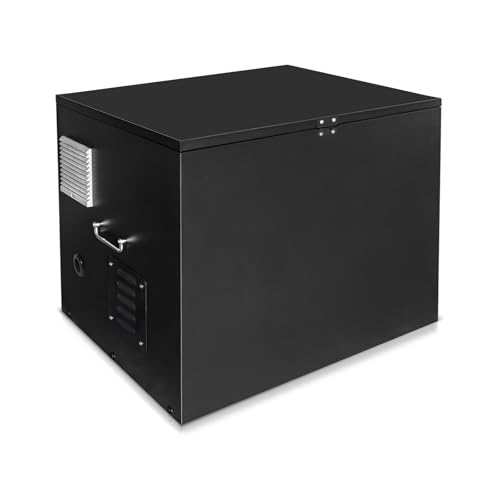
peastorm combines a lockable steel enclosure with vented panels and an integrated cooling fan. The lockable design adds theft deterrence for outdoor installations at campsites, job sites, or RV parks. Best for: buyers prioritizing security without sacrificing ventilation or access. Limitation: standard footprint may not suit very large generators or unusual dimensions.
IGAN Covers For Running Generators

IGAN emphasizes a patented design that shields all sensitive components, with 100% waterproof properties and a space-saving assembly. It serves as both storage and running cover for most 3500–12000W generators, offering reliable protection in diverse weather. Best for: buyers seeking a combination of weatherproofing and compact storage. Limitation: may not fit the very largest portable generators in the 13000W class.
Buying Guide: Key Considerations And Comparisons
- Size compatibility: Measure your generator’s dimensions and compare with enclosure interior space and clearance for ventilation and exhaust piping.
- Ventilation and cooling: Look for louvered vents, active cooling fans, or flame-retardant insulation that reduces heat buildup without muffling airflow.
- Noise reduction: Enclosures lined with foam or sound-dampening panels improve neighbor-friendly operation.
- Weather resistance: Choose weatherproof materials (powder-coated steel, SD aluminum, heavy-duty tarps) and consider wind and snowfall or rain exposure in your area.
- Security: If theft risk is a concern, prioritize lockable enclosures with sturdy latches or padlock points.
- Mobility and setup: For frequently moved setups, look for handles, wheels, or modular designs that simplify relocation.
- Maintenance access: Ensure easy access for refueling, battery checks, or routine maintenance without removing the entire enclosure.
- Durability vs. weight: Heavier boxes often offer better protection but require more handling effort and space.
Frequently Asked Questions
- What enclosure is best for protecting a generator in cold climates?
– Look for weatherproof, insulated enclosures with robust ventilation to prevent condensation and ice buildup. - Can I run my generator inside most enclosures?
– Some are designed for running while enclosed and include fans and vents, but always follow the manufacturer’s guidance for ventilation and exhaust clearance. - How important is noise reduction for residential areas?
– Noise reduction is often a top priority; choose enclosures with foam lining and vent placement that minimize sound transmission outward. - What should I consider for security?
– If theft is a concern, select lockable models with reinforced construction and secure mounting options. - Are there enclosures suitable for both running and storage?
– Yes; several models are designed to accommodate both running and storage modes, with features that allow quick transitions. - Do heavy enclosures require special installation?
– Some heavier units may require additional mounting or support; ensure your installation location can safely bear the load.