Sunflowers bring brilliant color, pollinator support, and dramatic height to any garden. For American gardeners seeking reliable, organic, or heirloom options, choosing seeds with strong germination and open-pollinated genetics matters. The following selections emphasize organic certification, heirloom stock, and open-pollinated varieties that perform well in diverse climates. Each choice is listed with essential growing notes to help you plan a robust sunflower patch that yields tall stalks, large blooms, and healthy pollinator habitat.
| Product | Key Benefit | Seed Count |
|---|---|---|
| Sereniseed Certified Organic Mammoth Grey Stripe Sunflower Seeds (2-Pack) | USDA Organic, open-pollinated, reliable germination | 100 seeds total |
| Sereniseed Sunflower Seeds Collection (10-Pack) | Variety pack with open-pollinated, non-GMO options | 10 varieties |
| Seedboy Organic Giant Mammoth Grey Sunflower Seeds | USDA Organic certified, non-GMO, generous count | 75 seeds |
| HOME GROWN 𝗨𝗦𝗔 Sunflower Seeds to Plant (520 Seed Mega Pack) | Heirloom, high germination, easy to grow | ~520 seeds |
| Axel’s Garden Seeds Mammoth Sunflower Seeds | Non-GMO heirloom seeds, clear planting guidance | 50 seeds |
The selections below are organized to help you compare organic, heirloom, and open-pollinated choices at a glance, with practical notes on plant height, bloom size, and growing conditions. All five entries emphasize strong germination, broad adaptability, and garden-friendly management to support thriving sunflowers in home landscapes and community plots alike.
1) HOME GROWN USA Sunflower Seeds To Plant

This mega packet features approximately 520 heirloom, non-GMO seeds designed for high-volume planting. The Mammoth varieties are prized for their impressive height—plants can reach up to 12 feet with flower heads up to 14 inches across. The seeds are described as easy to grow across a range of soils and climates, making them suitable for borders, backyards, or along fences. Gardeners can enjoy a bold visual statement while supporting pollinators. The large quantity supports multiple seasons of planting or a broad patch for cut flowers and wildlife feeding.
2) Sereniseed Certified Organic Mammoth Grey Stripe Sunflower Seeds

Certified organic by Oregon Tilth, this pack includes 50 or 100 seeds per pack, totaling 100 seeds in the set. The Mammoth Grey Stripe variety is open-pollinated, non-GMO, and suitable for indoor or outdoor planting. It’s a strong choice for gardeners seeking organic seed stock with reliable germination and classic tall-sunflower characteristics. The open-pollinated trait also allows seed saving for future seasons, preserving the lineage of a beloved heirloom type.
3) Sereniseed Sunflower Seeds Collection (10-Pack)

This collection offers ten varieties, all open-pollinated and non-GMO, including popular cultivars like Mammoth Grey Stripe, Mongolian Giant, Autumn Beauty, and Lemon Queen. The diversity supports a longer blooming season and a wider range of garden aesthetics. Open-pollinated seeds enable seed saving for subsequent seasons, making this a practical option for gardeners who value heirloom genetics and adaptability across zones.
4) Seedboy Organic Giant Mammoth Grey Sunflower Seeds
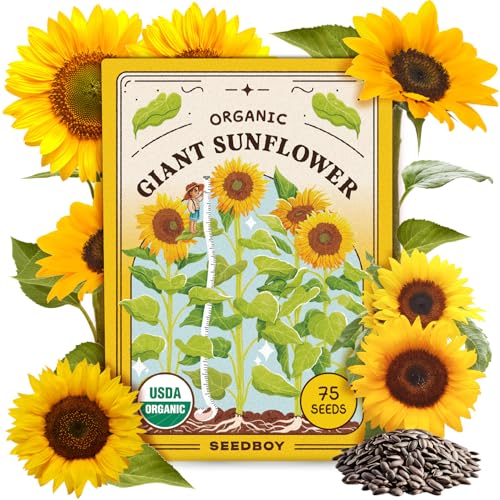
Non-GMO and USDA Organic certified, these Giant Mammoth Grey Striped seeds are grown in the USA. Each packet includes 75 seeds and comes with a germination promise—if seeds fail to germinate, replacements are offered. The seeds are well-suited for sunny outdoor spaces, greenhouses, or large containers. They support a robust, tall plant habit typical of Mammoth sunflowers, with strong heads and reliable growth in varied conditions.
5) Sow Right Seeds Mammoth Sunflower Seeds

The Mammoth variety offered by Sow Right Seeds grows tall (8-12 feet) with 2-3 foot spread, thriving in full sun. Seeds are open-pollinated and can be saved for future planting. The packet includes guidance for planting depth (about 1 inch) and spacing (roughly 3 feet apart). The blooms are bright yellow and attract pollinators, birds, and beneficial insects. The germination window is typically 7-14 days under optimal soil temperatures, with maturation in about 80-90 days.
Buying Guide: Key Purchase Considerations for Organic Sunflower Seeds
When selecting organic or heirloom sunflower seeds, consider these factors to optimize germination, growth, and harvest outcomes:
- Seed type: Choose organic-certified, non-GMO, or open-pollinated seeds if you want to save seeds for future seasons.
- Growing environment: Sunflowers prefer full sun, well-drained soil, and consistent moisture during establishment. Some giants tolerate a range of soils but perform best in sunny spots.
- Plant height and bloom size: Mammoth or Giant varieties provide dramatic height and large flower heads, ideal for focal garden features and pollinator support.
- Germination and germination guarantees: Some brands offer germination promises or replacements if seeds fail to sprout—useful for new gardeners.
- Seed count and pack size: Larger packs suit border plantings or community plots; smaller packs fit trial planting or window box setups.
- Pollinator value: Sunflowers attract bees, butterflies, and birds, contributing to biodiversity and garden health.
- Seed saving: If open-pollinated or heirloom, you can save seeds for future seasons—ensuring genetic continuity and cost savings.
- Climate adaptability: Look for varieties described as adaptable to a range of climates and soils if you live in regions with variable weather.
- Planting guidance: Check for included growing instructions, spacing recommendations, and days-to-maturity to plan succession plantings.
- Packaging and freshness: Freshly packaged seeds preserve viability; consider storage conditions (cool, dry).
In summary, organic and heirloom options provide reliable germination, seed-saving potential, and garden resilience. The selections above cover a spectrum from single-variety organic packs to diverse collections, enabling gardeners to tailor their sunflower patches to color, height, and pollinator needs while maintaining organic and open-pollinated standards.