Growing vegetables in containers or raised beds requires soil that preserves moisture, encourages robust roots, and supports organic production. The following top picks deliver OMRI-listed or certified organic formulas, balanced nutrients, and effective moisture management. Each option suits indoor and outdoor setups, helping you cultivate herbs, greens, and vegetables with confidence.
Summary Table: Chosen Products
| Product | Brand | Type / Focus | Why It Stands Out |
|---|---|---|---|
| Burpee Organic Premium Potting Mix | Burpee | All-natural, coconut coir blend | Instantly feeds with slow-release plant food for up to 3 months; OMRI listed |
| Back to the Roots Organic Potting Mix (12 Quart) | Back to the Roots | 100% organic, peat-free, USA-made | Upcycled materials; moisture control and pH balance for versatility |
| Espoma Organic Potting Soil Mix (8 qt) | Espoma | Rich blend with mycorrhizae | Earthworm castings, kelp, alfalfa, MYCO-TONE for nutrient uptake |
| Wakefield Premium Biochar Blend Potting Soil (2 qt) | Wakefield Biochar | Biochar-enhanced organic mix | Humic acid and CarbonBoost for improved root health and fertility |
| Espoma Organic Raised Bed Mix (1.5 cu ft) | Espoma | Raised-bed friendly organic mix | Earthworm castings and mycorrhizae for vegetables and herbs |
Burpee Organic Premium Potting Mix

Burpee’s Organic Premium Potting Mix blends plant food with coconut coir to promote root growth and vitality for vegetables, flowers, and herbs. The mix is OMRI-listed for organic use and designed for container and raised-bed gardening. It provides immediate plant feeding followed by a slow-release nutrient supply that lasts up to three months. The coconut coir helps retain moisture, making it suitable for indoor setups and outdoor patios alike. This combination supports consistent moisture levels without overwatering, which is crucial for container gardens.
Back to the Roots 12 Quart Organic Potting Mix
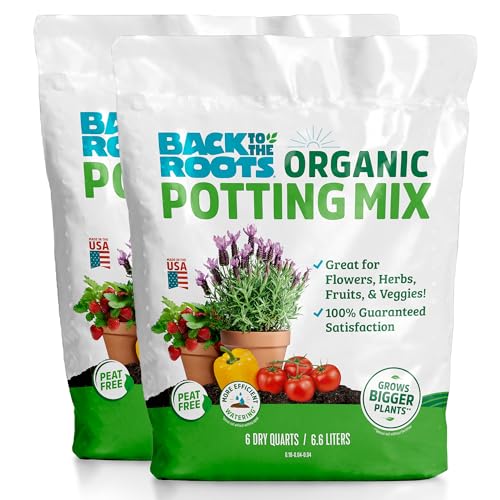
Back to the Roots offers a 100% organic, peat-free potting mix that’s made in the USA. It’s designed to support herbs, vegetables, fruits, and flowers with a lighter carbon footprint than traditional peat-based blends. The formula includes yucca extract for moisture retention and dolomitic limestone for pH balancing. As a versatile all-purpose mix, it performs well in containers, raised beds, and seed-starting projects, while staying friendly to sustainable gardening practices.
Miracle-Gro Organic Outdoor Potting Mix (16 qt, 2-pack)

Miracle-Gro’s Organic Outdoor Potting Mix is formulated for outdoor container plants and includes a quick-release natural fertilizer to support growth for up to two months. It’s a practical option for a wide range of outdoor plants, including vegetables and herbs, and is made with peat sourced from certified producers. While maintaining organic-friendly standards, this mix targets reliable, long-lasting nourishment and resilience in varied garden conditions.
Espoma Organic Potting Soil Mix (8 qt)
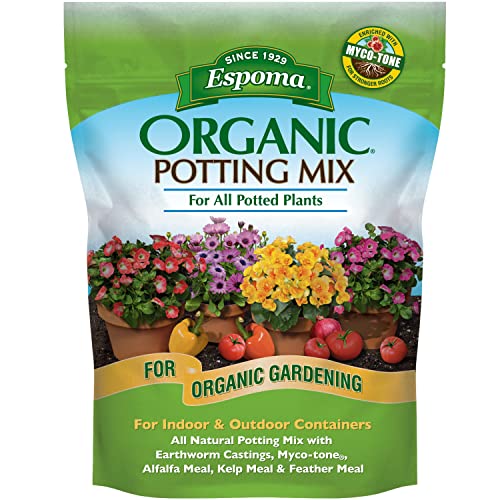
Espoma’s all-natural Organic Potting Soil Mix combines sphagnum peat moss with humus and perlite, enhanced by earthworm castings, alfalfa meal, kelp meal, and feather meal. Myco-Tone provides a blend of beneficial endo and ecto mycorrhizae to boost nutrient uptake and root development. This mix is well-suited for vegetables, herbs, and container plants, offering balanced texture, moisture control, and robust microbial activity for organic gardening success.
Wakefield Premium Biochar Blend Potting Soil (2 qt)

Wakefield Biochar blends organic matter with biochar and humic acid, offering CarbonBoost technology to optimize root growth and nutrient uptake. The formula is designed for elevated garden performance across raised beds and containers, delivering improved soil structure, moisture balance, and microbial health. It’s positioned for gardeners who want long-term fertility and versatile use for tomatoes, leafy greens, and herbs both indoors and outdoors.
Back to the Roots Organic Coir (51 Quart Expanding Soil)

This coir-based, peat-free mix expands to over two cubic feet and is OMRI-listed, making it suitable for organic production. It offers a balanced pH and works well as a stand-alone medium or as an amendment for potted plants, vegetables, herbs, and starting seeds. The expanding nature helps maximize soil volume for container setups and small gardens.
Buying Guide: Key Purchase Considerations
- Organic certification and suitability: Look for OMRI-listed products or brands clearly labeling organic ingredients to ensure compatibility with organic gardening goals and local regulations.
- Moisture retention vs. drainage: Soil blends should balance water-holding capacity with drainage. Coir, peat alternatives, and biochar can influence moisture behavior and root oxygenation.
- Nutrient delivery: Some mixes include slow-release fertilizers or pre-mixed nutrients. Consider whether you want immediate plant feeding or prefer soil with microbial life and mycorrhizae for sustained uptake.
- Container size and scope: For small pots, lighter mixes with strong moisture retention can help prevent drying out. For raised beds, peat-free blends and pH-balancing components support broader plant health.
- Organic matter sources: Peat-free options (e.g., coir, composted bark, wood fines) reduce environmental impact. Coir blends typically improve water retention without compacting.
- pH balance and amendments: Some blends include limestone, yucca extract, or dolomitic lime to support optimal pH for vegetables and herbs. Consider your crop’s specific needs.
- Mycorrhizae and microbial content: Products containing mycorrhizae can enhance root exploration and nutrient uptake, especially in poor or compacted soils.
- Brand transparency and sourcing: US-made blends or those with clear ingredient sourcing may appeal to gardeners prioritizing local economies and sustainable practices.
When selecting soil for vegetables in containers, align the product’s features with your crop variety, container size, and climate. For seed starting, choose a finely textured mix with good moisture retention. For mature vegetables in containers, seek blends that balance drainage and nutrients while avoiding oversaturation. For raised beds, peat-free blends with added biochar or dolomitic limestone can support long-term soil structure and fertility. Evaluating these factors helps ensure healthy plant growth and productive harvests across seasons.