If you’re battling caterpillars in an edible or ornamental garden, an organic Bacillus thuringiensis (Bt) product is often the most targeted, eco-friendly choice. These products are best for organic gardeners seeking to protect crops while minimizing harm to beneficial insects. The top picks here are suited for home gardens, vegetable plots, and ornamental beds. The following table highlights key details to compare at a glance.
| Product | Best For | Form | |
|---|---|---|---|
| Bonide Captain Jack’s Bt | Vegetables & fruit crops | Ready-to-use | Broad caterpillar control |
| Southern Ag Thuricide Bt | Organic gardeners | Concentrate | Versatile caterpillar control |
| Safer Caterpillar Killer II | Organic lawns & gardens | Concentrate | Various caterpillar species |
| Southern Ag Caterpillar Control 8 oz | Vegetables & ornamentals | Concentrate | Light-to-moderate infestations |
| Bonide Thuricide BT Concentrate | Home gardens | Concentrate | Wide caterpillar coverage |
Bonide Captain Jack’s Bt Organic Ready-to-Use
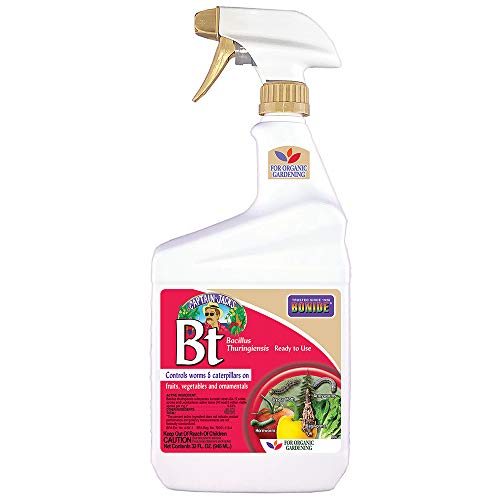
Brand: Bonide. This Bt product kills caterpillars and worm-stage pests after ingestion, then feeding stops within 2-3 days. It’s designed for vegetables, fruits, shade trees, and ornamentals, including broccoli, kale, tomatoes, cabbage, and peppers. It’s best for home gardeners seeking a ready-to-use option with minimal prep. Caution: avoid applying during flowering to protect pollinators in blooming gardens. Best for small to medium garden plots needing quick, broad caterpillar suppression.
Southern Ag Thuricide Bt Caterpillar Control

Brand: Southern Ag. This 16-ounce concentrate is popular with organic gardeners and uses Bt to target caterpillars on a wide range of crops. It’s safe for edible crops when used as directed. Choose this if you want a scalable solution for larger plantings or multiple plant types. Limitation: concentrate requires mixing and proper timing for best results; avoid application during heavy rain to maintain efficacy.
Safer Brand Caterpillar Killer II Concentrate

Brand: Safer. An OMRI-listed product for organic use, this concentrate targets caterpillars, gypsy moth larvae, worms, and cabbage loopers. It’s designed for use up to harvest and can be applied in diverse settings, including vegetable gardens and field plantings. Best for gardeners seeking an OMRI-listed option with broad caterpillar coverage. Limitation: check crop schedule for specific harvest timing recommendations in your area.
Southern Ag 13021 Caterpillar Control, 8 oz

Brand: Southern Ag. This 8-ounce concentrate focuses on caterpillars and related pests on vegetables, citrus, nuts, shrubs, and ornamentals, with relatively low toxicity to humans and animals. Best for small to medium garden plots needing a precise, low-toxicity solution. Limitation: may require repeated applications in areas with ongoing caterpillar pressure.
Bonide Thuricide BT Concentrate

Brand: Bonide. This concentrate is designed for caterpillars, worms, and moth control across a variety of crops, including broccoli, tomatoes, and peppers. It kills by ingestion, with death typically occurring within 2-3 days after feeding. Better for larger gardens needing flexible application methods. Caution: ensure thorough coverage of the leaf underside where caterpillars hide.
Monterey B.t. Bundle With Measuring Spoon

Brand: Monterey. Ready-to-use spray designed for caterpillars and worm-type pests, with a focus on crops like broccoli, cabbage, tomatoes, and leafy greens. It’s formulated to be safe for earthworms and bees when used as directed. Choose this if you want a user-friendly, all-around Bt option with a measuring spoon for accurate mixing. Limitation: ensure you spray early in the caterpillar life cycle for best results.
Buying Guide: Key Considerations For Bt-Based Caterpillar Control
What to look for when selecting an organic caterpillar pesticide?
- Target pests: Confirm the product lists the caterpillars you’re dealing with (e.g., cabbage looper, hornworms, budworms).
- Form and use: Ready-to-use sprays are convenient for small plots; concentrates suit larger gardens with mixing.
- Plant safety: Ensure compatibility with the crops you’re protecting and harvest timing requirements.
- Pollinator considerations: Some Bt products are safer for bees when applied to foliage during non-flowering periods; avoid bloom times where possible.
- OMRI listing: If you follow strict organic standards, check for OMRI or equivalent certifications.
- Application timing: Apply when caterpillars are young for best ingestion and death timing.
- Water and weather: Rain can wash away sprays; plan applications around forecasts and follow label directions for reapplication.
Frequently Asked Questions
- What is Bt and how does it work against caterpillars?
- Can these products harm beneficial insects?
- When is the best time to apply Bt in the season?
- Are Bt products safe for home edible gardens?
- Do I need to reapply after rain?
- What crops are most compatible with Bt sprays?
Frequently Asked Answers
- Bacillus thuringiensis (Bt) is a naturally occurring bacteria that must be ingested by caterpillars to be effective. It disrupts digestion, leading to death within a few days.
- Bt products are generally selective for caterpillars and some worm pests; they have minimal impact on birds, mammals, and most beneficial insects when used as directed.
- Apply Bt when caterpillars are small and actively feeding for maximum impact; reapply after heavy rain or as label instructions specify.
- Yes, Bt sprays are commonly used in home edible gardens to control pests with limited risk to humans and pollinators when used properly.
- Always follow the product label for reapplication intervals and crop-specific guidance to ensure safety and effectiveness.