Answering the question “which organic fertilizer is best for potted plants?” this guide highlights five top options that balance convenience, safety, and performance for indoor and outdoor containers. These selections cater to different gardeners: beginners who want simple dosing, enthusiasts seeking stronger leaf color and blooms, and those preferring fully organic formulas. Each product is evaluated for potting mix compatibility, ease of use, and how quickly you can expect results. The table below provides a quick snapshot of the featured fertilizers.
| Product | Best For | Format | Notes |
|---|---|---|---|
| Miracle-Gro Organic Plant Food (32 oz) | General indoor/outdoor containers | Liquid | Plant-based; quick-feeding |
| FoxFarm Big Bloom Liquid Plant Food (1 Pint) | Flowering & fruiting plants | Liquid | Earthworm castings and bat guano |
| Organic Plant Magic (1/2 lb) | Budget-friendly, all-purpose indoor/outdoor | Water-soluble concentrate | High yield per dollar |
| Burpee Natural Purpose Granular Food (4 lb) | Vegetables, herbs, flowers, seeds | Granules | OMRI listed; long feeding |
| Espoma Organic Indoor Plant Food (8 oz) | Houseplants, quick indoor feeding | Liquid | Kid/pet-safe organic blend |
Miracle-Gro Organic Plant Food For Containers

Best for: Home gardeners seeking a ready-to-use organic option for both indoor and outdoor containers. This Miracle-Gro formula is designed from plant-based ingredients to support healthy roots and resilient plants when used as directed. It feeds quickly, promoting stronger growth in a variety of container setups.
Why chosen: It is 94% plant-based and OMRI Listed, offering a reliable organic label while remaining simple to apply. The product is versatile for use in pots, raised beds, and in-ground gardens, making it a solid all-purpose option for container enthusiasts.
Caution: As with any concentrated feed, follow the labeled dosage to avoid over-fertilizing potted plants, which can lead to nutrient burn or salt buildup in limited soil volumes.
FoxFarm Big Bloom Liquid Plant Food

Best for: Flowering and fruiting plants in pots or containers that benefit from a bloom-boosting formula. This organic liquid fertilizer blends earthworm castings and bat guano to support all growth stages with a focus on blooms.
Why chosen: The product emphasizes natural growth supports and quick nutrient uptake, helping plants respond rapidly to feeding. It is especially suited for containers that rely on precise, frequent feeding to encourage abundant blossoms and fruit set.
Limitation: Being a bloom-focused fertilizer, it may be less balanced for foliage-heavy crops that require steady nitrogen; pair with a balanced feed if leaf growth is a priority.
Organic Plant Magic All-Purpose Fertilizer
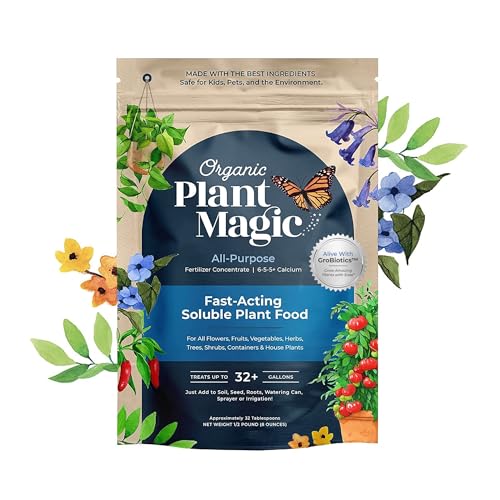
Best for: Indoor houseplants, vegetables, herbs, flowers, and small garden plots, especially when you want a single, versatile feed. The concentrate makes a lot of feed and serves as a perennial “go-to” for varied plant types.
Why chosen: It is 100% organic and safe for indoor use with no synthetic chemicals, reducing burn risk. A single 1/2 lb bag can make 32+ gallons of plant food, offering excellent value for someone feeding multiple pots or a small landscape.
Caution: Mix according to directions to avoid over-dilution or under-dosing. Dry concentrate should be stored sealed to maintain potency over time.
Burpee Natural Purpose Granular Organic Food

Best for: Vegetables, herbs, and flowering containers where long-lasting feeding is desired. Granular formula releases nutrients over time to support continual plant growth for up to three months.
Why chosen: OMRI-listed and designed to deliver essential nutrients alongside trace minerals that help soil biology thrive. It’s a practical option for gardeners who want fewer refillings and steady performance.
Limitation: Granular feeds require proper watering to activate; inconsistent watering can affect nutrient release and effectiveness in pots with limited drainage.
Espoma Organic Indoor Plant Food
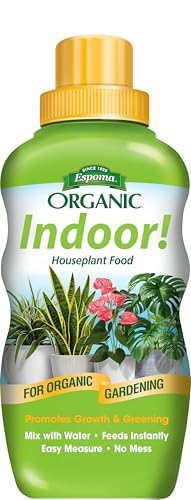
Best for: Indoor houseplants that require steady, pet-and-kid-safe feeding. This liquid option provides essential nutrients with a focus on gentle but effective nourishment.
Why chosen: It is an organic blend designed for indoor use, making it a practical pick for apartments or rooms with pets and children. Regular, light doses help maintain lush foliage without harsh chemical exposure.
Caution: For best results, use every 2–4 weeks as part of a regular care routine; avoid overfeeding when soil is already saturated or in pots with very small volumes.
Buying Guide — Organic Fertilizers For Potted Plants
Which format fits your routine? Liquids are quick-acting and easy to dilute for weekly care, while granules offer longer-lasting feeding with less frequent applications. Concentrates help stretch dollars but require proper mixing. Choose a method that matches your watering schedule and container size.
What should you look for? Look for OMRI listing, plant-based or organic-certified ingredients, and clear feeding directions. For indoor plants, select formulas labeled as safe for homes with kids and pets. If you grow flowering pot plants, seek products that emphasize bloom support and balanced nutrition.
Soil health matters. Some products promote soil microbial activity and living nutrition, which can improve nutrient uptake. If your plants show signs of nutrient deficiency, consider a stronger nitrogen source early in the growing season and switch to a bloom-focused formula later.
Frequently Asked Questions
- Do organic fertilizers burn plants in pots? Not if used as directed. Avoid high concentrations and always water after applying to help distribute nutrients evenly.
- Is OMRI listing important for potted plants? OMRI listing indicates the product meets organic standards, which can be important for organic gardeners or households seeking certified products.
- How often should I fertilize potted plants? It depends on the formula. Liquid feeds often go every 1–2 weeks, while granular feeds may be every 4–12 weeks, based on the product’s instructions.
- Can I mix two different organic fertilizers? Mixing is possible in some cases, but it can lead to nutrient imbalances. Follow label guidance or consult product compatibility notes.
- Which fertilizer is best for flowering pots? Look for bloom-boosting formulas like Big Bloom or products that emphasize phosphorus and potassium for flowering and fruiting.
- Are these fertilizers safe for edible container gardens? Yes, many organic fertilizers are suitable for edible plants when used as directed, but always verify the label for specific compatibility with vegetables and herbs.