When selecting nutrients for indoor plants, the best option is to choose balanced formulas that support growth without risking burn. This guide covers five reliable indoor plant foods that work well for common houseplants, tropicals, and herbs. Each product is suited to different buyer needs—from low-maintenance spikes to quick-acting liquids. Use this overview to compare feeding styles, application methods, and practical limits for indoor gardening success.
| Product | Brand | Type | Best For |
|---|---|---|---|
| Miracle-Gro Indoor Plant Food For All Plants (Liquid) | Miracle-Gro | Liquid | Houseplants, flowers, vegetables, herbs |
| Miracle-Gro Indoor Plant Food Spikes For All Plants | Miracle-Gro | Spikes | Low-maintenance indoor feeding for all indoor plants |
| TPS NUTRIENTS Indoor Plant Food | TPS NUTRIENTS | Liquid | All indoor houseplants; supports new growth |
| Grow Queen Organic Liquid Indoor Plant Food | Grow Queen | Organic Liquid | Houseplants, tropicals; organic, gentle nutrition |
| Miracle-Gro Water Soluble All Purpose Plant Food | Miracle-Gro | Water-soluble granules | All indoor and outdoor plants; quick results |
Miracle-Gro Indoor Plant Food For All Plants — Liquid

Best for: Busy households with multiple plant types. Why: Instant feeding helps a broad range of indoor plants respond quickly, with an easy dilute-and-apply method. Ideal for people who want a straightforward solution without separate formulas for foliage, blooms, or edibles. Limitation: Overuse can lead to salt buildup; follow the directions for dilution and frequency.
Miracle-Gro Indoor Plant Food Spikes — 2 Months

Best for: Hands-off feeders for busy or multi-plant setups. Why: Spikes provide continuous nutrition for up to 2 months, reducing maintenance. They work well for a variety of indoor plants. Limitation: Less flexible timing and dosage; not ideal for delicate or newly potted plants that require precise feeding.
TPS NUTRIENTS Indoor Plant Food — Liquid

Best for: Home gardeners seeking balanced nutrition for all indoor plants. Why: Formulated to support balanced growth and lush foliage with a focus on ease of use. It works well for weekly routines and ensures consistent nutrient availability. Limitation: As a liquid, it may require more frequent applications than spikes for very busy individuals.
Grow Queen Organic Liquid Indoor Plant Food
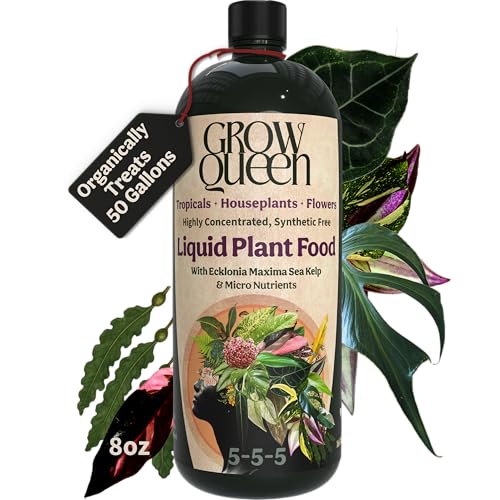
Best for: Organic-focused indoor gardeners wanting a true 5-5-5 formula. Why: It delivers balanced NPK with sea kelp, designed for fast growth and green foliage. Suitable for houseplants, tropicals, and herbs. Limitation: Organic options can have slower visible effects than synthetic blends; expect steady growth rather than instant blooms.
Miracle-Gro Water Soluble All Purpose Plant Food
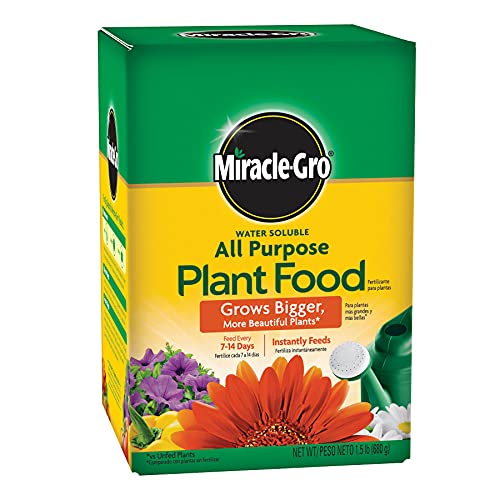
Best for: Versatile feeder for both indoor and outdoor plants. Why: Quick-acting NPK 24-8-16 formula supports rapid growth and is compatible with many plant types, from flowering plants to foliage. Limitation: Granular format requires dissolving; follow label directions to avoid overfeeding.
Miracle-Gro Indoor Plant Food — Liquid 8 oz (2-Pack)

Best for: Indoor gardeners who want a reliable all-purpose liquid option for a diverse plant collection. Why: It delivers instant feeding for many indoor container plants, including snake plants and peace lilies. Limitation: Ensure proper dilution to prevent leaf burn on sensitive species.
Buying Guide
What should you consider when buying indoor plant nutrients?
- Plant type and sensitivity: Do you have delicate tropicals or robust foliage plants? Organic formulas may be gentler but act slower than synthetic blends.
- Application method: Do you prefer liquids, spikes, or ready-to-use mixes? Liquids offer quick results; spikes provide long-lasting feeding with less maintenance.
- NPK balance: Look for balanced nutrients (like 5-5-5 or 24-8-16) that fit a wide range of indoor plants. Adjustments may be needed for flowering vs. foliage plants.
- Frequency and duration: Some products deliver nutrients for weeks; others require more frequent applications. Align with your plant care routine.
- Organic vs. synthetic: Organic formulas support soil biology and may be better for long-term vigor, while synthetic blends can deliver faster growth.
- Container size and soil type: Larger pots and well-draining soils may tolerate higher feeding rates; consistently overfed soil can harm roots.
FAQ
What is the best nutrient for all indoor plants?
A balanced all-purpose formula (such as a 5-5-5 or similar NPK) used according to label directions works well for a wide range of houseplants.
Are liquid nutrients safer than spikes?
Liquids offer instant uptake and flexibility, while spikes provide longer-lasting feeding with less maintenance. Choose based on your routine and plant needs.
Can I mix different plant foods?
Mixing different products can cause unpredictable nutrient levels. Use products as directed and avoid combining multiple formulas in the same watering unless specified.
Why do some formulas specify organic ingredients?
Organic formulas support soil biology and microbial activity, potentially improving nutrient uptake over time, though they may act more slowly than synthetic options.
How often should I fertilize indoor plants?
Most houseplants benefit from feeding every 2–4 weeks during active growth. Adjust frequency for dormancy or slow-growing species.
Is over-fertilizing harmful?
Yes. Overfeeding can cause leaf burn, root damage, or salt buildup. Always follow the product’s dilution and frequency guidelines.