If you’re shopping for nursery covers for plants, you want options that shield seedlings and young plants without stifling air flow. The top picks below focus on protecting from cold, wind, pests, and intense sun while keeping light, moisture, and warmth balanced. These choices fit gardeners managing seedling trays, outdoor beds, or small greenhouses. Suitable buyers include: new gardeners seeking frost protection, urban gardeners with limited space, and DIY lawn-and-garden setups needing temporary covers for seasonal care.
Summary of chosen products:
| Product | Best For | Key Benefit |
|---|---|---|
| MAQIHAN Plant Cover | Cold-weather protection | 1 oz non-woven fabric for frost insulation |
| Mklsit Garden 40% Shade Cloth | Shade and airflow | 40% shade with durable copper grommets |
| 3 Pcs Tomato Netting | Tomatoes and climbing vegetables | Full-zip closure for easy access |
| RooTrimmer Plant Protectors | Seedlings and small plants | Clear cloches with ventilation |
| Sawysine Mesh Plant Cover | General animal protection | Foldable mesh domes with easy storage |
MAQIHAN Plant Cover — Frost and Snow Protection
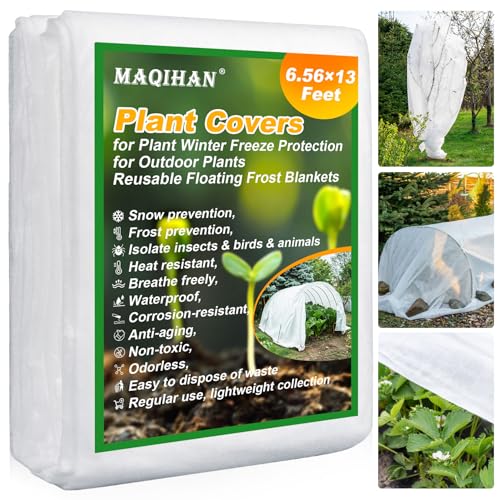
Best for protecting a wide range of plants against frost and cold weather, MAQIHAN uses a premium 1 oz per square yard non-woven fabric. It provides insulation while still allowing sunlight to reach plants, promoting steady growth during cold spells. This cover is versatile as frost, snow, and sun shield, adaptable to hoops or frames. It can be cut to fit specific plant sizes, making it suitable for irregular beds or individual plants. A practical choice for gardeners who need reusable, lightweight cold protection without heavy gear.
Mklsit Garden 40% Shade Cloth

This shade cloth provides 40% filtration, reducing harsh sun while preserving airflow—ideal for vegetables, greenhouse beds, and patios. Its upgraded copper grommets and reinforced edges help resist tearing under wind or extended outdoor use. Made from UV-stabilized HDPE fabric, the cloth is lightweight yet durable, offering a balance between shade and ventilation. Choose this if you want effective sun protection with longer service life and fewer edge failures in hot, sunny climates.
3 Pcs Tomato Netting for Garden Protection
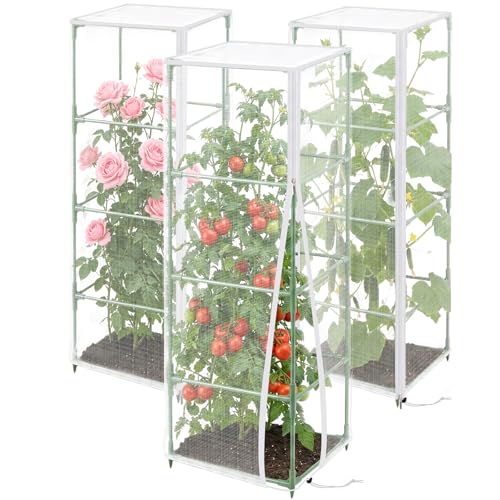
Designed for tomatoes and other climbing plants, this 3-pack offers square cages with full-zip and drawstring closures. The mesh allows light, air, and water to pass while reducing pest and animal damage. Best for gardeners who grow vining vegetables and want quick access to prune or harvest without removing the entire cover. A limitation to note: the zipper may loosen over extended outdoor exposure, so secure with an additional tie if needed.
2 Pcs Pop Up Insect Barrier Plant Cover Tent

This set includes two foldable pop-up covers with 22 x 22 x 22 inch dimensions, offering a quick microclimate for seedlings and small pots. The lightweight structure uses a fine mesh to deter birds and insects while maintaining airflow and light transmission. Best for early-season seedlings in raised beds or patio pots. A caveat: the tent size works best for small plants; larger shrubs may require bigger enclosures or multiple units.
Sawysine Mesh Plant Cover — 4 Pack

These reusable mesh domes protect gardens, raised beds, and container plantings from small pests while preserving air and light flow. Each dome is collapsible for storage and easy to deploy on plants of various sizes. They are suitable for protecting vegetables, herbs, and flowering plants during pest season. Best for gardeners who want a lightweight, portable barrier that can be moved as plants grow. A potential limitation is that mesh size may still allow very small pests to pass through in some environments.
Buying Guide: Key Considerations For Nursery Covers
- Protection Level: Match shade and heat filtration to your climate. For cold regions, frost blankets and non-woven covers offer insulation; for hot regions, shade cloths and mesh nets help prevent heat stress.
- Material And Durability: Look for UV-stabilized HDPE or non-woven fabrics with reinforced edges. Durable edges and copper grommets reduce edge tearing and improve long-term performance.
- Ventilation And Light Transmission: Ensure the cover allows adequate airflow and light so plants don’t suffer from damp conditions or weak growth.
- Size And Fit: Choose covers that fit your plant size or can be easily trimmed. Consider adjustable closures, zippers, or drawstrings for a secure seal.
- Installation Ease: Target products with simple setup—pop-up designs, grommets placed evenly, and clear attachment options help save time.
- Versatility: If you garden in multiple seasons, prioritize covers that can function as frost protection, shade, and pest barriers across crops.
Frequently Asked Questions
- What is the difference between shade cloth and frost covers?
Shade cloth reduces sun exposure and heat, while frost covers insulate against cold and frost damage. - Can these covers be reused season after season?
Yes, most are designed for multiple uses, but check care instructions and fabric durability for longevity. - Do covers block essential rainfall or irrigation?
Most allow water passage; some may require manual watering beneath the cover to ensure moisture needs are met. - Are there covers suitable for small container plants?
Yes, many options come in compact sizes or foldable designs ideal for pots and seedling trays. - How do I prevent covers from blowing away?
Use sturdy ties, stakes, or weighted edges and ensure grommets are properly anchored to frames or fences.