Choosing non-toxic pesticides means prioritizing garden health and family safety. These products are designed to protect edibles, ornamentals, and outdoor living spaces without harsh synthetic residues. The following five options are well-suited for different pest problems, homes, and gardening styles. They’re ideal for gardeners aiming to minimize environmental impact while keeping plants pest-free. The buyer-friendly table below highlights the core strengths of each product to help you compare at a glance.
| Product | Best For | Key Advantage | Limitations |
|---|---|---|---|
| Garden Safe Insecticidal Soap (32 oz) | General pests on vegetables, fruit trees, ornamentals | Ready-to-use spray; broad-contact action | Requires direct contact for effectiveness |
| Garden Safe Diatomaceous Earth (4 lb) | Outdoor crawling insects | Kills by contact with sharp microdots | Dusting needed; works best when dry |
| Captain Jack’s Bt Thuricide (32 oz) | Worms and caterpillars on a range of crops | Biological control that targets larvae | Kills by ingestion; timing matters |
| Mighty Mint Peppermint Oil Spray (16 oz) | Indoor/outdoor deterrence of multiple pests | Plant-based, extra-strong peppermint formula | May require frequent reapplication |
| Garden Safe 2-in-1 Insect Killer (32 oz) | Broad-spectrum pest management | Kills 100+ listed insects on contact | Broad action may impact beneficials if not used carefully |
Garden Safe Insecticidal Soap Insect Killer

This ready-to-use soap targets a wide range of soft-bodied pests by contact, including aphids, whiteflies, and mites. It’s designed for organic gardening and is suitable for use indoors, outdoors, and in greenhouses on vegetables, fruit trees, ornamentals, and more. Because it acts on contact, thorough coverage of the undersides of leaves is essential for effective control. The product is labeled for use up to harvest, making it convenient for edible crops. Best for gardeners who want a simple, non-volatile option with straightforward application.
Who it’s best for: Home gardeners seeking an easy, organic option for a broad pest spectrum, especially on leafy plants and edibles. Be aware that pests must be sprayed directly for control, so thorough coverage is important.
Caution: Do not rely on this alone for heavy infestations; reapply as needed and according to label directions to maintain good pest management.
Garden Safe Crawling Insect Killer With Diatomaceous Earth

This product uses a diatomaceous earth-based formula to control crawling insects by contact. It’s well-suited for organic gardening and can be applied outdoors on the soil around plants or directly on foliage. The powdery granules must contact the insects, making dusting in dry conditions essential for best results. It is a versatile option for gardeners dealing with ants, cockroaches, and other grounded pests.
Who it’s best for: Gardeners who prefer a mineral-based, non-toxic option and are willing to apply a light, dry layer around affected areas. Choose this if you’re dealing with ground-dwelling pests and want to avoid liquid sprays indoors.
Limitation: Not ideal in high humidity or wet conditions, which can reduce effectiveness as the dust clumps and loses contact action.
Bonide Captain Jack’s Bt Thuricide
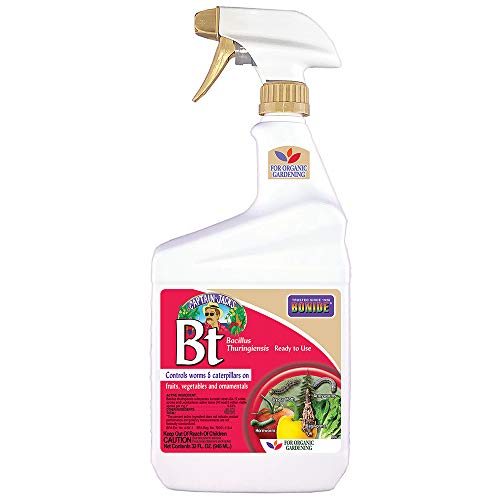
This Bacillus thuringiensis product targets cabbage looper, hornworms, tent caterpillars, and other worm-like pests. It is suitable for a wide range of vegetables, fruiting crops, and ornamentals, and it does not harm birds, earthworms, or beneficial insects when used as directed. Efficacy depends on the pest’s feeding activities, as Bt kills caterpillars through ingestion. Best for organic gardeners addressing early-season worm damage.
Who it’s best for: Gardeners managing worm infestations in crops like tomatoes, peppers, broccoli, and kale. Choose this when caterpillars are the primary concern and you want a targeted biological control.
Limitations: Effectiveness relies on pests ingesting the product; timing and coverage are essential for good results.
Mighty Mint Peppermint Oil Insect Repellent Spray
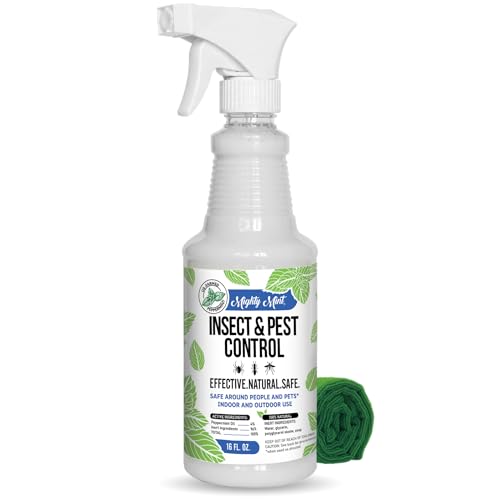
This plant-based spray uses concentrated peppermint oil to deter spiders, ants, roaches, and other pests. It’s suitable for indoor and outdoor use on entryways, baseboards, patios, and living areas where insects frequent. The formula is pet-friendly when used as directed, though it’s advised to avoid birds and some exotic pets near treated areas. Best for those seeking a strong, natural repellent with a fresh scent.
Who it’s best for: Pet-conscious households and families seeking a potent, natural deterrent for multiple indoor/outdoor pests. Better for quick knock-down and preventing pests from entering living spaces.
Limitation: Reapplication may be needed after rain or heavy traffic, and some surfaces may be affected by essential oil residues if not cleaned.
Garden Safe Multi-Purpose Garden Insect Killer 2

This 32-ounce solution is labeled for organic gardening and claims to kill 100+ listed insects on contact. It’s suitable for homes, home gardens, and home greenhouses and can be used up to the day of harvest on edible crops. The broad spectrum makes it a versatile choice for managing diverse pest challenges in mixed plantings. Best for gardeners who want a single, all-purpose spray for multiple pests without juggling several products.
Who it’s best for: Gardeners seeking a single spray to manage a wide pest range across edible and ornamental plants. Choose this if you want a convenient, versatile option to reduce the number of products in your shed.
Limitation: Broad action means a higher chance of impacting beneficial insects if applied in bloom or on flowering crops.
Buying Guide: Practical Considerations For Non-Toxic Garden Pests
Non-toxic doesn’t mean zero planning. When selecting a pesticide for your garden, consider pest type, crop stage, and application environment. Here are key questions to guide your decision.
- What pests are most prevalent in my garden? Different products target different life stages (eggs, larvae, adults). Identify the pest type to choose the most effective option.
- Are my crops edible, and what is the harvest window? For edible crops, ensure the product can be used up to harvest and check any restrictions on application near harvest dates.
- Will I apply indoors, outdoors, or in a greenhouse? Some products are designed specifically for indoor use, while others are better outdoors or in controlled environments like greenhouses.
- Do I prefer a spray, dust, or bait format? Sprays cover foliage; dusts are good for soil-adjacent pests; baits can target crawling insects with longer residual effects.
- Is a biological control (like Bt) appropriate for my pest cycle? Bt is effective against certain caterpillars but requires pest ingestion and timely application.
- What safety considerations exist for pets, kids, and beneficial insects? Read label directions and apply at times that minimize exposure to non-target organisms.
FAQ
- Q: Can I use these products together? A: Do not mix products unless the label explicitly allows it. Stacking multiple products can increase risk to beneficial insects or cause plant damage.
- Q: How often should I reapply? A: Reapplication depends on product type, pest pressure, and weather. Follow label intervals and avoid overuse.
- Q: Are these safe for edible plants? A: Several are labeled for use up to harvest; always verify the crop list and pre-harvest intervals on the label.
- Q: Will these harm pollinators? A: Many products are formulated to minimize harm to beneficial insects when used as directed, but avoid blooming crops during peak pollinator activity when possible.
- Q: Do I need protective gear when applying these products? A: Some formulations may require gloves or ventilation—check the label for specific safety instructions.
- Q: Which product should I start with for a mixed garden? A: A broad-spectrum, non-toxic option like the 2-in-1 insect killer can be convenient, but combine with targeted products (Bt for caterpillars, soap for soft-bodied pests) as needed.