Looking to add vibrant late-summer to fall color with strong pollinator appeal? These New England aster seed packets are suited for native-garden enthusiasts, container planters, and meadow-style landscapes. The top options emphasize native traits, hardiness across USDA zones, and butterfly-attracting blooms. This guide highlights five solid picks, explains who they’re best for, and offers practical buying tips.
| Product | Why It Stands Out | Best For |
|---|---|---|
| KVITER 600 New England Aster Seeds | High germination, easy fall or spring sowing, tall pollinator magnet | Containers, beds, and butterfly gardens |
| SURVIVAL GARDEN SEEDS New England Aster Seeds | Native North American variety, drought-tolerant, pollinator powerhouse | Large perennial displays and naturalized areas |
| Seed Needs New England Aster Seeds | Vibrant purple/pink blooms, thrives in sun and well-drained soils | Meadows, prairies, and road-sides style plantings |
| Created By Nature New England Aster Seeds | Non-GMO heirloom seeds, light-to-moderate maintenance, US-grown | Garden beds and borders with long-season interest |
| Outsidepride New England Aster Seeds | Over 40 petals per bloom, tall, hardy across zones 3-9 | Meadows and ornamental borders |
KVITER 600 New England Aster Seeds

Features include a high germination rate with seeds that benefit from an 8-week cold stratification. The seeds are suited for USDA zones 2–8 and are described as ideal for containers, beds, or outdoor plots. The resulting plants are tall and attract bees and butterflies, providing late-season color and pollinator support.
Best for: New or experienced gardeners who want a robust, tall native option that fills borders or containers with purple blooms. Better for those who value strong pollinator appeal and straightforward sowing. Limitation: the data emphasizes tall growth and long bloom periods, which may require staking in windy gardens.
New England Aster Seeds For Planting | Native Purple Perennial

This option highlights native, non-GMO open-pollinated seeds, well-suited to zones 3–8. It promises pollinator attraction—bees, butterflies, and hummingbirds—along with drought tolerance and self-seeding tendencies for expanding displays. Plants can reach 4–6 feet tall and prefer full sun to partial shade.
Best for: Established native-garden projects and pollinator gardens seeking a hardy, long-lasting late-season bloom. Choose this if you want a low-maintenance, self-seeding perennial that forms a vertical focal point. Limitation: height means spacing is critical to prevent overcrowding in small beds.
Seed Needs New England Aster Seeds To Plant Perennial Flowers

Key attributes include vibrant purple, pink, or white blooms with a late-summer to fall flowering window. The plant typically grows tall, with sturdy stems, making it a standout in meadows or garden borders. It thrives in full sun and well-drained soils, offering a classic native look for naturalized spaces.
Best for: Gardeners aiming for bold, long-lasting color with strong stems for staking. Limitations: as with many perennials, establishment may take a season, and spacing is essential to avoid crowding in narrow beds.
Created By Nature New England Aster Seeds
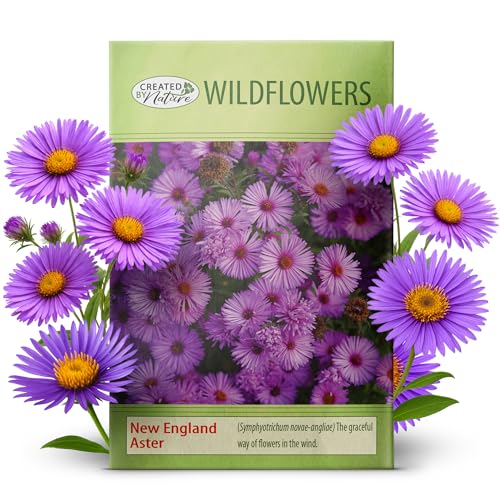
These seeds are marketed as premium non-GMO heirloom seeds, cultivated in the USA for quality and reliability. They boast rich purple-pink blooms with bright yellow centers, thriving in full sun to partial shade. The sowing notes include light exposure needs and moisture guidelines for sprout emergence in roughly 7–21 days.
Best for: Buyers who value heirloom lineage and American-grown seed. Choose this if you want a straightforward grow with a focus on long-season color. Caution: ensure adequate moisture early on to support germination and seedling establishment.
Outsidepride New England Aster Seeds
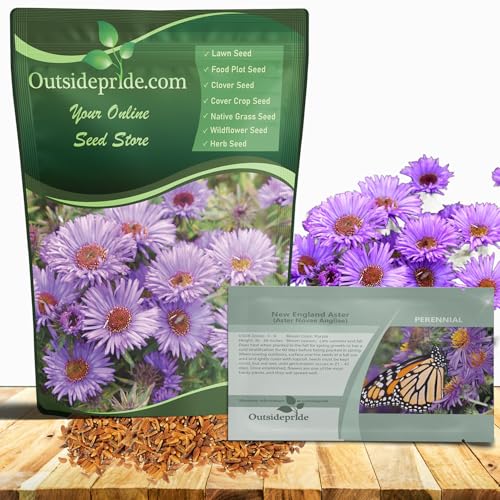
This packet highlights striking purple blooms with a tall growth habit (up to 36–48 inches) and hardiness across USDA zones 3–9. It emphasizes pollinator friendship and deer resistance due to its sturdy stems. The tall floral displays make them excellent for vertical accents in meadows or borders.
Best for: Gardeners seeking a strong, tall native to anchor large beds or wildflower sections. Better for spacious landscapes where height can be showcased. Limitation: tall plants may require support in windy locations or tight plantings.
Buying Guide
Consider these practical factors when choosing New England aster seeds:
- Native status and zones: If you want a true native plant with best performance, favor seeds that specify North American origin and zones 3–8 or 3–9.
- Bloom timing and color: For fall interest, pick seeds described as late-summer to fall bloomers with purple to pink petals and yellow centers.
- Growth habit and spacing: Tall varieties require more space—plan 18–24 inches apart or more. Consider staking for taller cultivars.
- Pollinator attractiveness: If pollinators are a priority, choose options noted as attractors for bees and butterflies; many are also deer-resistant.
- Germination and maintenance: Look for seeds with clear germination guidance, light exposure needs, and moisture recommendations to ensure successful establishment.
- Sow timing: Fall or spring sowing is common; some seeds benefit from stratification (cold treatment) to improve germination.
FAQ
- What is the best time to sow New England aster seeds?
Most options respond well to fall or spring sowing; some may require cold stratification for higher germination rates. - Are New England asters good for pollinators?
Yes. They attract bees, butterflies, and sometimes hummingbirds, providing late-season nectar. - How tall do New England asters grow?
Height varies by cultivar, typically ranging from 3 to 6 feet for many native selections, with some taller or shorter varieties. - Do New England asters reseed themselves?
Many native and open-pollinated seeds can self-seed, helping to expand displays over seasons. - What soil conditions do they prefer?
Well-drained soil in full sun to partial shade is commonly recommended; drought tolerance increases after establishment. - Is there a risk of diseases or pests?
Most varieties are hardy, but ensure good spacing and air circulation to reduce fungal issues; deer resistance varies by local conditions.
Summary of selected products: The five options above cover a range of native, non-GMO, and heirloom seeds with strong pollinator appeal. They suit gardeners seeking tall displays, meadow-style plantings, or border-rich gardens with late-summer and fall color. Each option provides actionable guidance on sowing, care, and expected growth, enabling straightforward comparisons to fit different landscapes and levels of maintenance.