Effective garden netting helps keep pests, birds, and small animals away from vegetables, fruits, and ornamental plants. This guide highlights five reliable netting options that balance airflow, light, and protection. It’s ideal for gardeners who want simple, chemical-free pest control and for raised beds, orchards, or container gardens. The top picks are best for homeowners, small farms, and hobby gardeners seeking durable, easy-to-use covers that can be cut to fit irregular shapes.
| Product | Best For | Key Benefit |
|---|---|---|
| Garden Netting Pest Barrier (Garden Tailor) | Raised beds and small plots | Durable HDPE, UV resistant, tight selvedge |
| Monirsen Garden Netting Kit (10x30FT) | Large raised beds | Includes hoops and clips for quick setup |
| YNERHAI 10x50FT Garden Netting | Tree fruit and berry shrubs | Ultra-fine mesh, lightweight, transparent |
| Sukh Bird Netting 13x33FT | Orchards and fruit trees | Large coverage, easy to cut, durable |
| Unves 10x20FT Garden Netting | Berries and vegetables | Breathable, easy to drape, durable |
Garden Netting Pest Barrier: 4’x10′ Fine Bug Netting
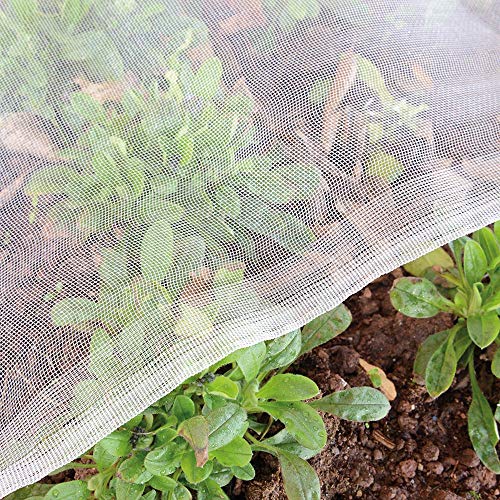
Best for raised beds and small plots with easy setup and dependable pest protection. Features include a 100% new HDPE composition with UV resistance, a tight selvedge to prevent unraveling, and a mesh fine enough to deter cicadas, carrot fly, and various aphids. This netting is light, plant-safe, and suitable indoors or on windows as a secondary barrier. Best for gardeners wanting a simple, durable barrier that requires minimal maintenance.
- Best for: small gardens, raised beds, and window protection.
- Why selected: high-quality material and a tight weave reduce pest intrusions while preserving light and airflow.
- Caution: ensure edges are secured to avoid wind flapping in exposed sites.
Monirsen Garden Netting Kit for Raised Beds (10x30FT)
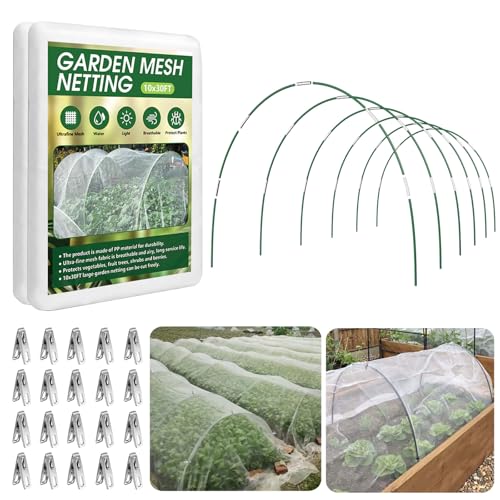
Best for larger raised beds and gardeners who want a complete setup. This kit includes a 10×30 ft garden netting, six 8 ft fiberglass hoops, connecting pipes, and clips. The ultra-fine 0.8mm x 1mm mesh allows water, air, and light through while blocking insects and birds. The upgraded fiberglass hoops are rust-free for long-term use. Choose this if you need a ready-to-install framework with robust protection and year-round capability.
- Best for: larger plots and quick installation.
- Why selected: comprehensive kit reduces setup time and provides durable support.
- Caution: heavier setup may require extra anchors in windy areas.
YNERHAI 10x50FT Garden Netting Barrier

Best for protecting fruit trees, berries, and shrubs with a transparent, ultra-fine mesh. The 0.8mm x 1mm mesh provides high permeability for water, light, and air, reducing irrigation disruption. The netting is lightweight enough to cover tall plants without shading, while its clear design helps monitor plant growth. Choose this when protecting larger fruit crops where visibility and airflow are priorities.
- Best for: trees and large shrubs in open spaces.
- Why selected: large coverage with a mesh that minimizes photosynthesis impact.
- Caution: ensure edges are secured to prevent wind uplift in exposed areas.
Sukh Bird Netting Mesh 13x33FT

Best for comprehensive garden protection against birds and larger pests over a wide area. The 13×33 ft coverage and 0.8-inch mesh allow sun and rain to pass while keeping birds, deer, and squirrels away. It’s easy to cut to fit specific plants or trees, and the polyethylene material is lightweight yet durable. This netting is ideal for orchard sections or larger garden borders.
- Best for: gardens with birds or wide-area protection needs.
- Why selected: large, versatile coverage with easy customization.
- Caution: cut edges may fray if not finished; seal or hem edges when needed.
Unves Garden Netting 10x20FT

Best for smaller plots or patio gardens needing easy setup and removal. This netting is durable PE material that remains breathable while shielding vegetables, fruits, and plants from birds and large insects. Its lightweight design makes draping over crops straightforward, and clips or weights help secure the edges. Ideal for seasonal protection and quick adjustments during irrigation or growth phases.
- Best for: small-scale gardens and seasonal coverage.
- Why selected: simple, flexible use with good airflow and light passage.
- Caution: may require re-securement after windy days; check edges regularly.
Buying Guide
Key considerations when choosing garden netting:
- Mesh size: Smaller mesh provides stronger pest exclusion but can reduce airflow. For insect pests, choose around 0.8 mm x 1 mm or finer.
- Coverage area: Measure beds, trees, and rows to select the right size. Larger plots benefit from hoop-supported kits or panels you can cut to fit.
- Material and durability: Polyethylene (PE) and HDPE are common, UV-stabilized, and weather-resistant. Look for tight selvedge to avoid unraveling.
- Installation method: Hoops, clips, weights, and tie-downs influence setup time and wind resistance. Kits with hoops are convenient for raised beds.
- Light and water permeability: Ensure the mesh allows sufficient sunlight, air, and irrigation, especially in hot climates or during watering.
- Reusability: Reusable nets save money and reduce waste. Check for rust-free frameworks and robust seams.
- Versatility: Some nets can double as window screens or indoor plant protection, adding value beyond outdoor use.
FAQ
- What mesh size is best for vegetable crops? A mesh of about 0.8mm x 1mm provides good insect exclusion while allowing airflow and irrigation.
- Can these nets protect fruit trees? Yes, larger nets or extended coverings protect trees from birds and larger pests without blocking light.
- Do nets affect plant growth? When mesh is breathable and light passes through, photosynthesis is not significantly hindered.
- Are these nets reusable year after year? Most options are designed for repeated use; check edges, seams, and frames for wear before each season.
- How do I install nets on irregular beds? Look for nets with adjustable hoops or cut-to-fit panels; secure edges with weights or clips to prevent movement.
- Do nets require maintenance? Periodically inspect for tears, loose ties, or wind damage and repair promptly to maintain protection.